Macajor Auto
Macajor Auto
Macajor Auto
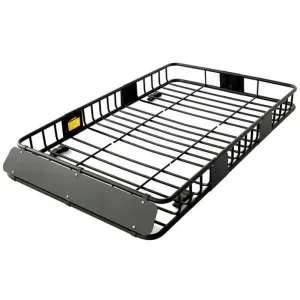
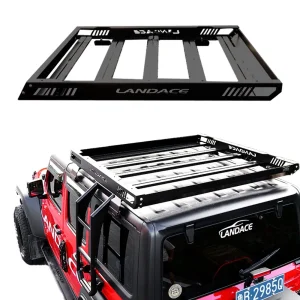
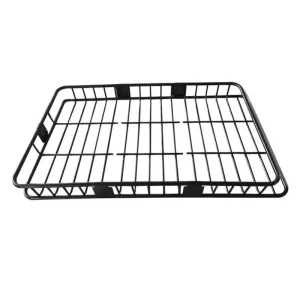
Seattle, Washington, often dubbed the "Emerald City," serves as the epicenter for the Pacific Northwest's outdoor recreation industry. From the rugged Olympic Mountains to the sprawling Cascades, the demand for high-performance roof rack luggage baskets is driven by a culture of adventure, including skiing, mountain biking, and overlanding.
Industrial Application: Beyond retail consumers, Seattle’s maritime and aerospace sectors (notably Boeing and its supply chain) influence local material science standards. Aluminum alloys and high-tensile steel used in our roof baskets meet the rigorous corrosion-resistance requirements necessitated by Seattle’s saline coastal air and high-precipitation environment.
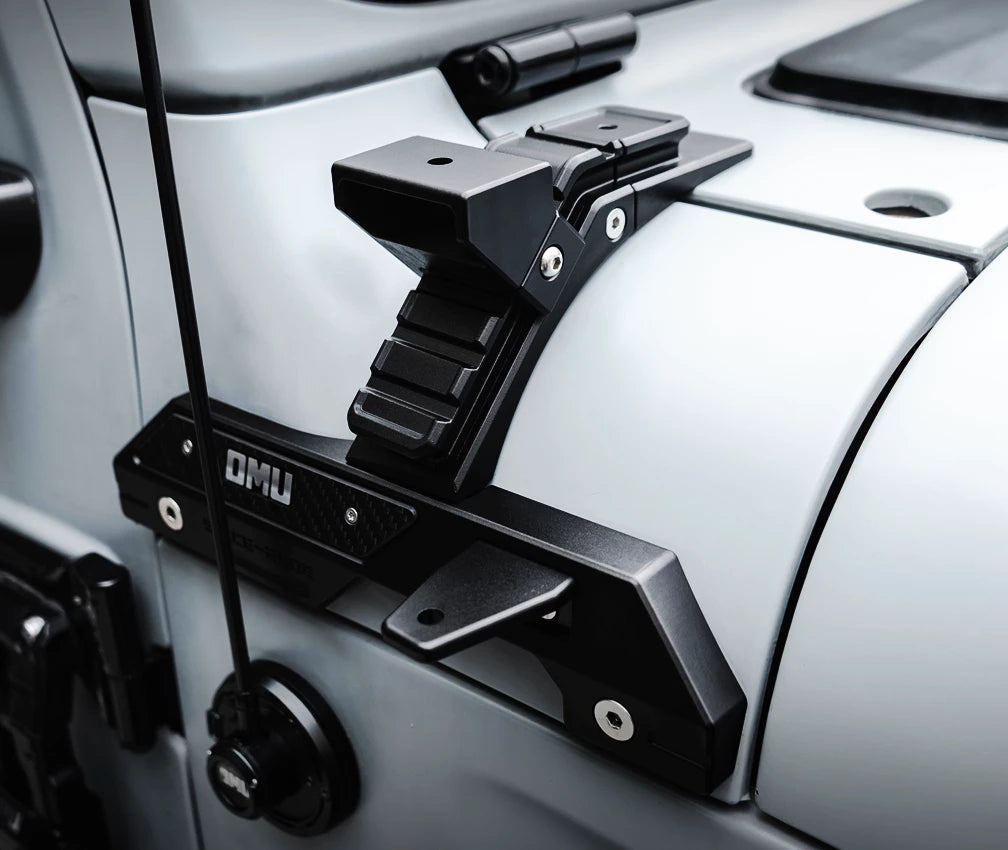
Founded in 2008, Hangzhou Macajor Auto Co., Ltd. has evolved into a global titan in the automotive accessory sector. With over 18 years of specialized manufacturing, we bridge the gap between high-volume production and boutique customization.
Our facility operates a comprehensive end-to-end production ecosystem. By controlling the entire technical route—from CAD design to final powder coating—we ensure that Seattle-based distributors receive products that surpass North American safety standards (SAE/DOT compliance).
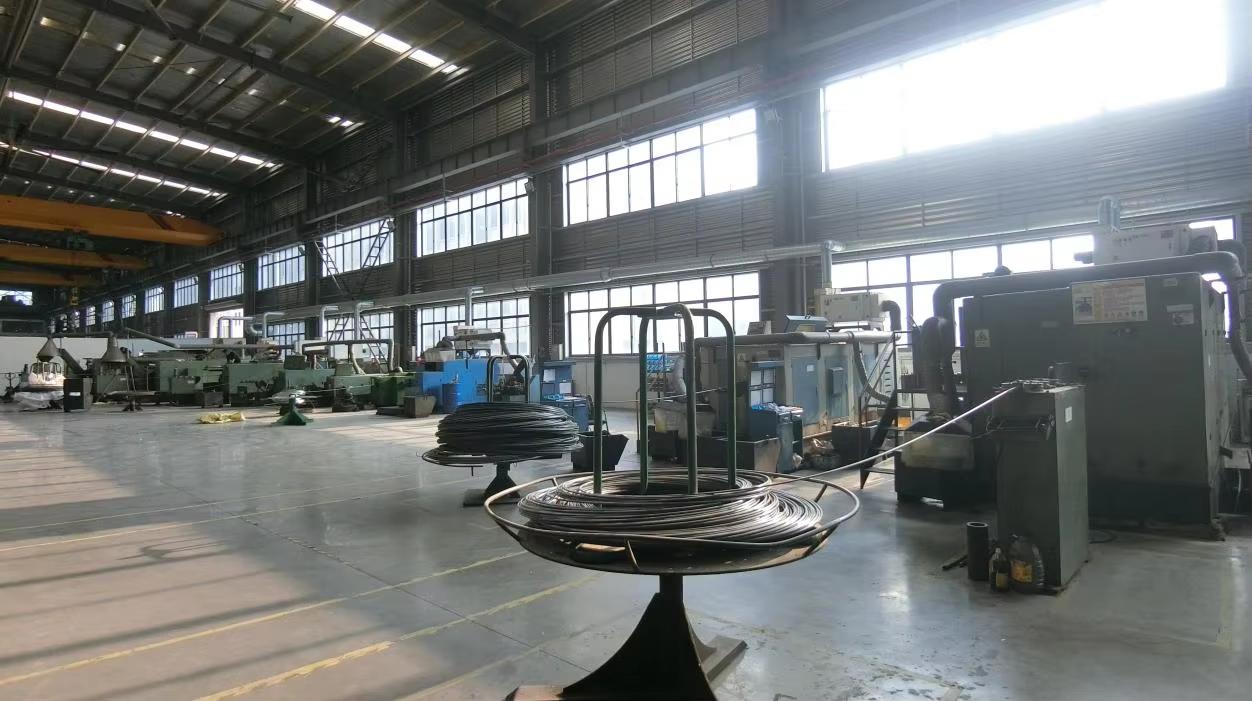 Cold Heading
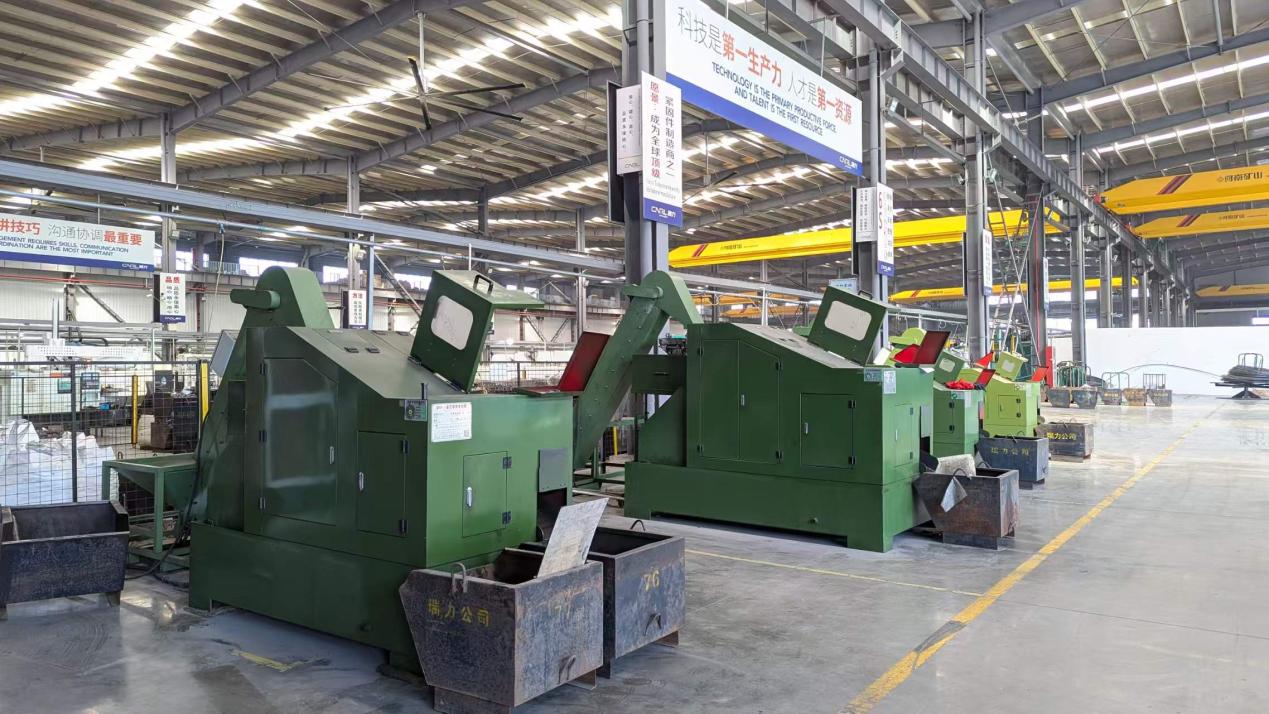 Rolling
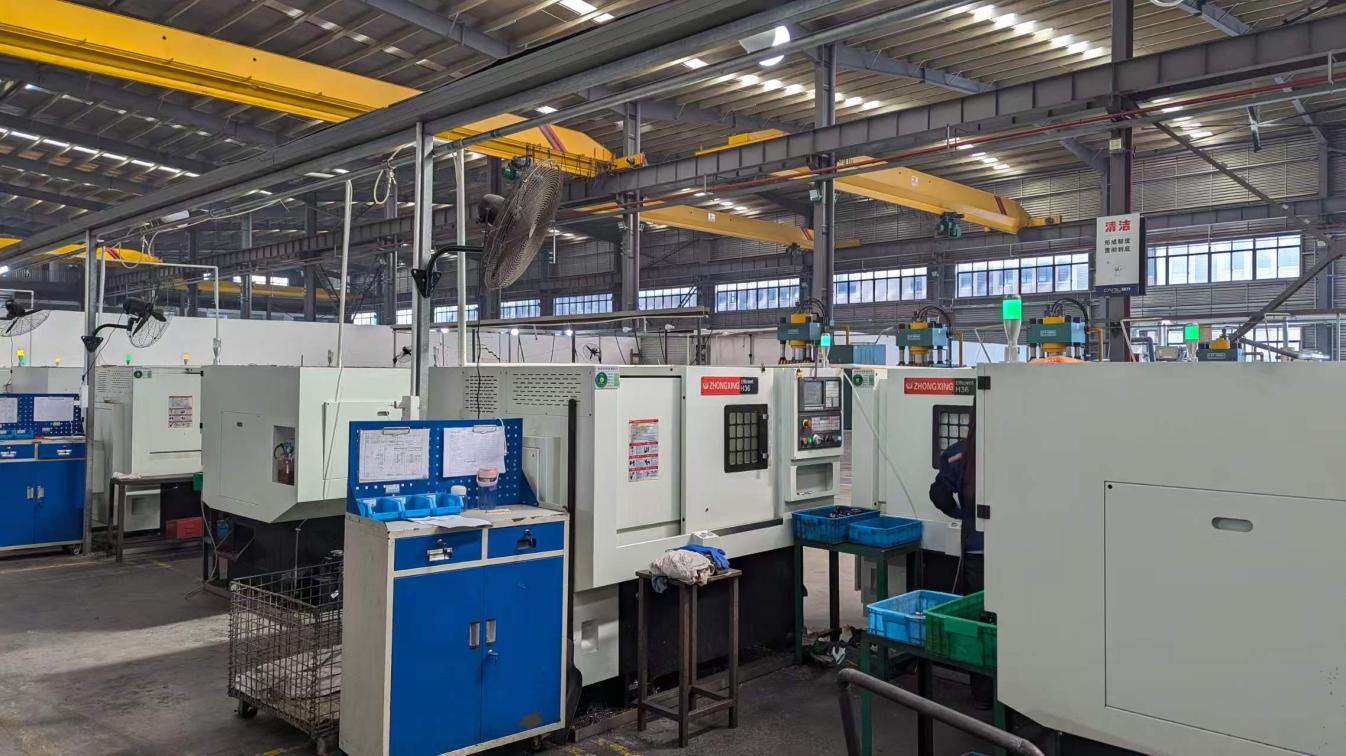 CNC Machining
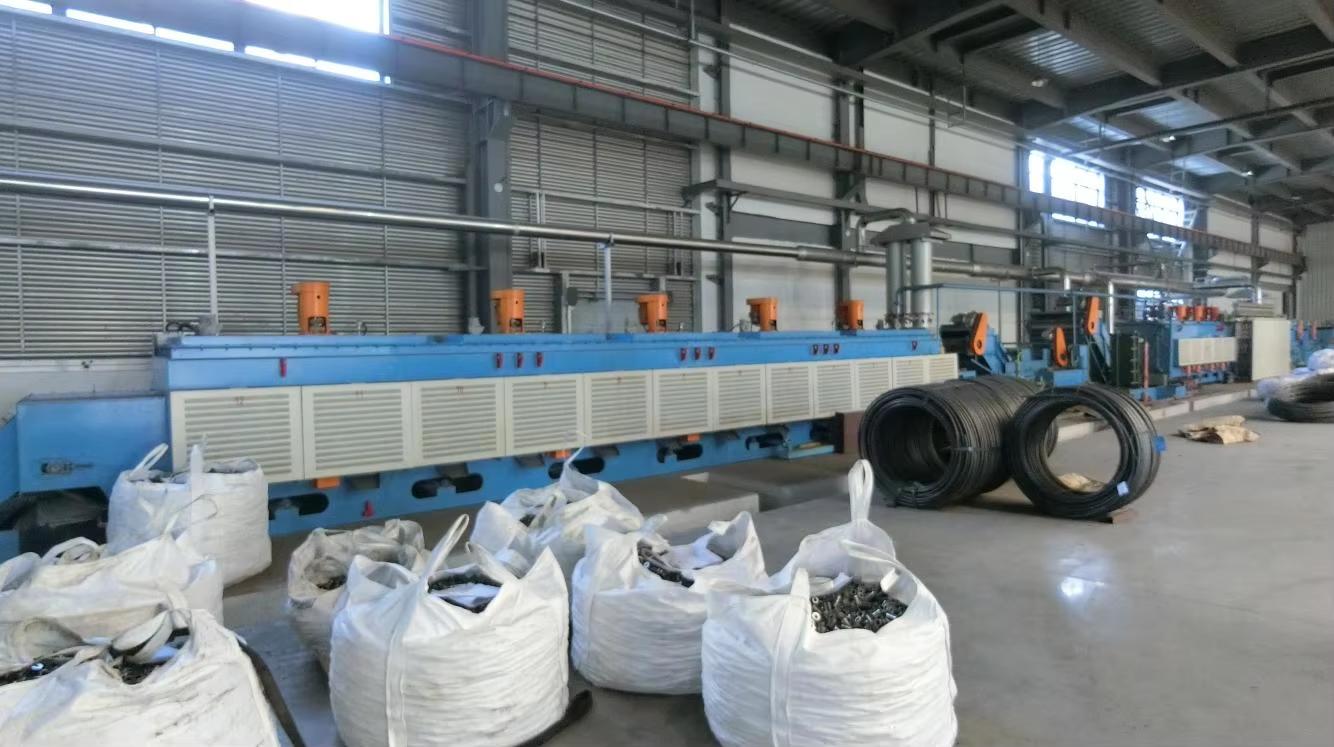 Heat Treatment
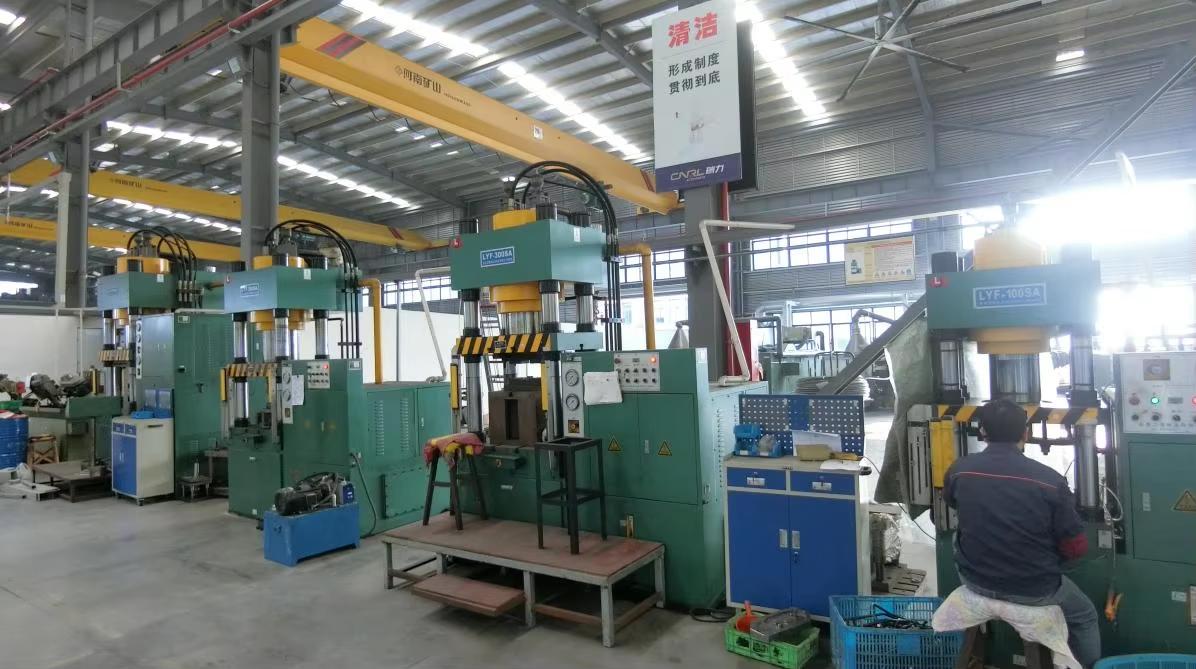 Hydraulic
The next decade of roof rack development focuses on "Sustainable Durability." At Macajor Auto, we are pivoting toward 6061-T6 recycled aluminum, which offers the same structural integrity as virgin material but with a 70% lower carbon footprint—a key selling point for Seattle's eco-conscious market.
Anti-Corrosion Tech: Leveraging E-coating (Electrophoretic coating) followed by UV-stabilized architectural grade powder coating ensures our baskets withstand the acidic rain and coastal fog of the Washington coastline for 10+ years without oxidation.
Modular Integration: Future technical routes include integrated LED lighting channels and aerodynamic "wind-fairing" diffusers that are digitally simulated using Computational Fluid Dynamics (CFD) to minimize wind noise during highway travel on the I-5 corridor.
A: Aluminum is highly recommended for Seattle due to its natural resistance to oxidation and lighter weight, which is better for the region's hilly terrain. Steel is preferred for extreme heavy-duty commercial applications where maximum weight capacity (up to 500lbs) is the priority.
A: We utilize a dual-supplier raw material strategy and maintain an 18-year partnership with major shipping lines out of Ningbo/Shanghai ports, ensuring that even during global logistics fluctuations, our Seattle-bound containers remain prioritized.
A: Yes. As a factory-direct manufacturer with CNC and hydraulic press capabilities, we offer full ODM services. We can modify width, length, and mounting brackets to fit specific fleet requirements or new vehicle models before they hit the mass market.
A: Absolutely. Our manufacturing processes include heat treatment and stress testing that comply with ISO standards. We provide material certifications and load-bearing test reports for all B2B wholesale orders.