Macajor Auto
Macajor Auto
Macajor Auto
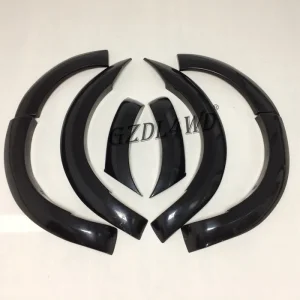
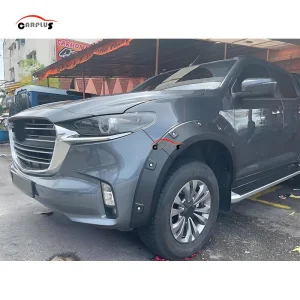
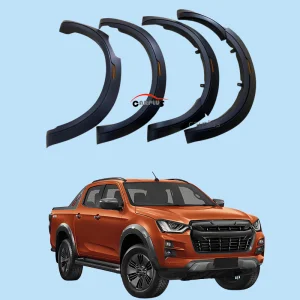
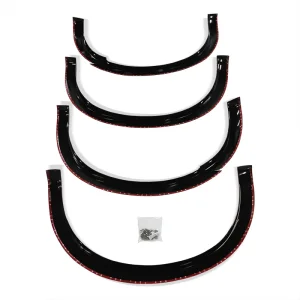
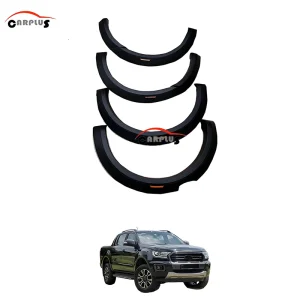
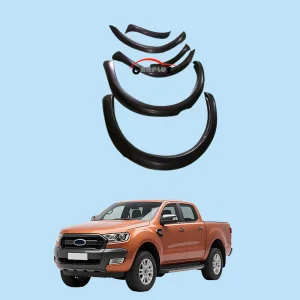
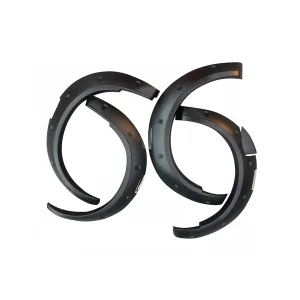
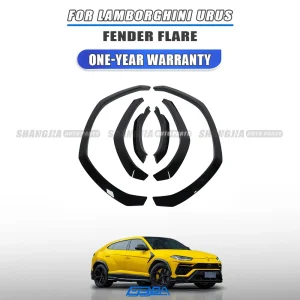
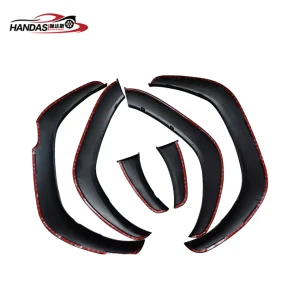
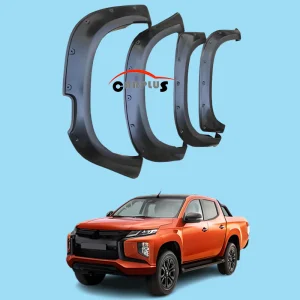
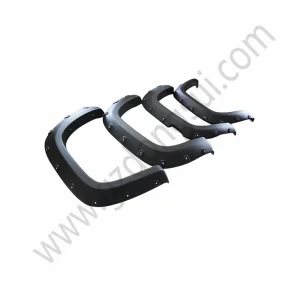
Engineered premium-grade fender flares configured for industrial utility chassis, regional transport vectors, and off-road operational longevity.
An analytical overview of utility vehicle requirements, regional manufacturing challenges, and environmental thresholds in the Korean Peninsula.
The industrial geography of the Democratic People's Republic of Korea (DPRK) demands highly resilient transport infrastructure. Heavy industries, particularly in mineral extraction hubs like the Musan Iron Mine and agricultural developments throughout the South Hwanghae province, place substantial demands on heavy-duty logistics fleets. Vehicles operating in these zones must traverse unpaved, mountainous terrain subject to severe seasonal shifts—ranging from sub-zero, ice-bound winters to humid, torrential monsoon seasons.
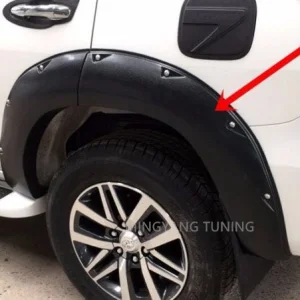
In these challenging operating environments, vehicle chassis components and outer body panels suffer rapid degradation from abrasive gravel, high-impact rock fragments, and corrosive mud. Auto fender flares serve as an indispensable barrier, shielding the vehicle's structural steel wheel arches from continuous physical damage. This preventive protection minimizes sheet metal corrosion and structural fatigue, helping operators maintain the operational integrity of utility trucks and off-road transports across regional distribution corridors.
Procuring and manufacturing high-performance exterior automotive accessories inside North Korea presents distinct challenges. Heavy industrial focuses are primarily geared toward raw material processing and heavy machinery fabrication rather than precision polymeric molding. Consequently, localized automotive assembly plants—such as those operated under joint-venture initiatives in Nampo—rely on Tier-1 global suppliers to secure high-grade ABS (Acrylonitrile Butadiene Styrene) and Polycarbonate components. These imported components must meet rigorous durability standards, ensuring they do not crack under severe thermal cycles or impact forces.
How cross-border manufacturing networks and advanced materials science satisfy volatile international demands.
The global demand for high-performance SUV, pickup, and off-road truck modifications has experienced rapid growth over the past decade. Fleet operators, commercial utility managers, and retail distributors require wheel arch accessories that offer both aerodynamic integration and robust protection. Standard OEM body panels frequently lack the coverage needed for oversized, heavy-tread industrial tires, making aftermarket fender flares a vital upgrade for regulatory compliance and physical body defense.
To ensure supply chain resilience in volatile trading zones, manufacturers like Hangzhou Macajor Auto Co., Ltd. leverage advanced logistics models and strategic raw material reserves. Industrial-grade ABS resin, selected for its dimensional stability, high impact resistance, and weatherability, undergoes precision extrusion and thermal processing. By utilizing advanced vacuum forming and high-precision injection tooling, global factories can achieve tolerances within ±0.5mm, ensuring a seamless fit across diverse vehicle models, from classic utility chassis to modern off-road platforms.
Utilizing high-impact virgin ABS combined with specialized elastomeric modifiers to prevent low-temperature embrittlement.
Ensures consistent wall thickness throughout the flare profile, eliminating structural weak points and warping under extreme sunlight.
Every production batch undergoes thermal shock, salt spray resistance, and mechanical stress tests to simulate years of service.
A deep dive into our manufacturing infrastructure, engineering capabilities, and global partnership framework.
Founded in 2008, Hangzhou Macajor Auto Co., Ltd. has grown into a leading manufacturer of automotive accessories, off-road equipment, and vehicle modification products. Backed by over 18 years of manufacturing experience, our team specializes in developing durable, functional, and market-driven automotive components. From product design and tooling development to mass production, we provide comprehensive manufacturing solutions tailored to the strict requirements of international buyers, including specialized commercial fleets operating in demanding regions like East Asia.
Operating as a factory-direct manufacturer, Macajor maintains complete control over the production system and supply chain. This vertical integration allows us to deliver consistent product quality, competitive pricing, and stable delivery timelines for global buyers. Our specialized engineering and manufacturing capabilities support both large-scale OEM runs and custom ODM configurations.
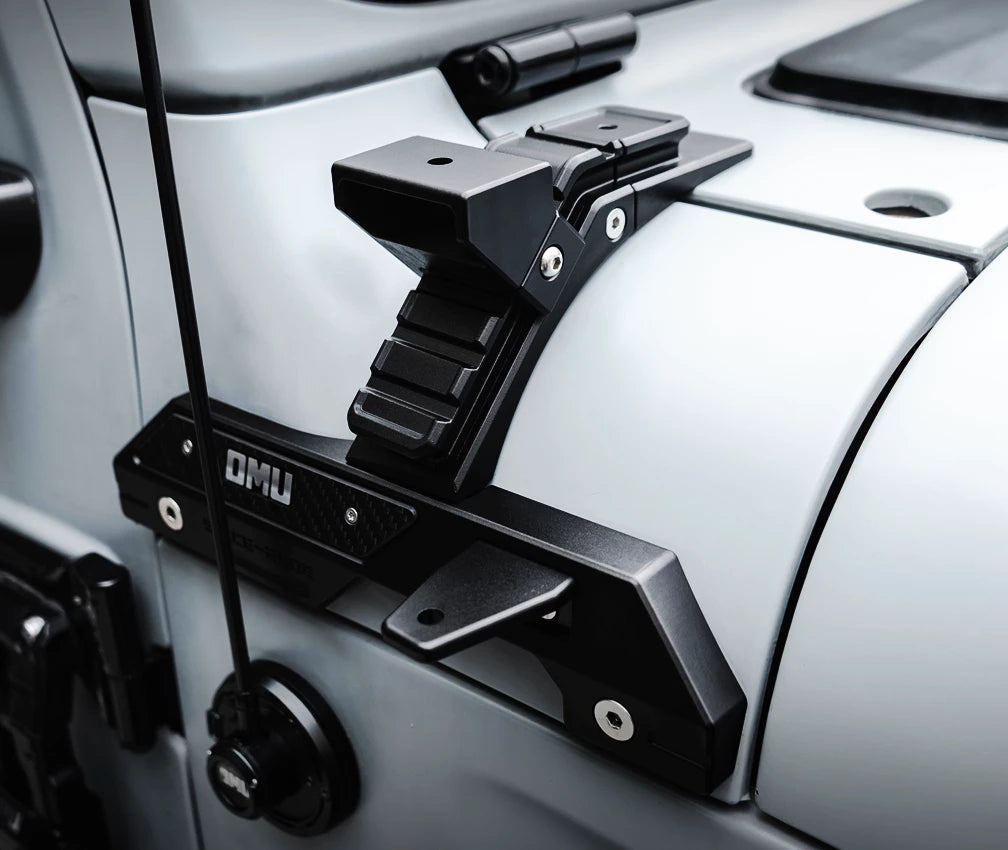
While fender flares are primarily polymer-based, their mounting systems, structural hardware, and installation supports require precision metal components. Our internal metal-working division features advanced machinery to manufacture high-tensile hardware, ensuring secure, long-lasting installation in high-vibration off-road environments.
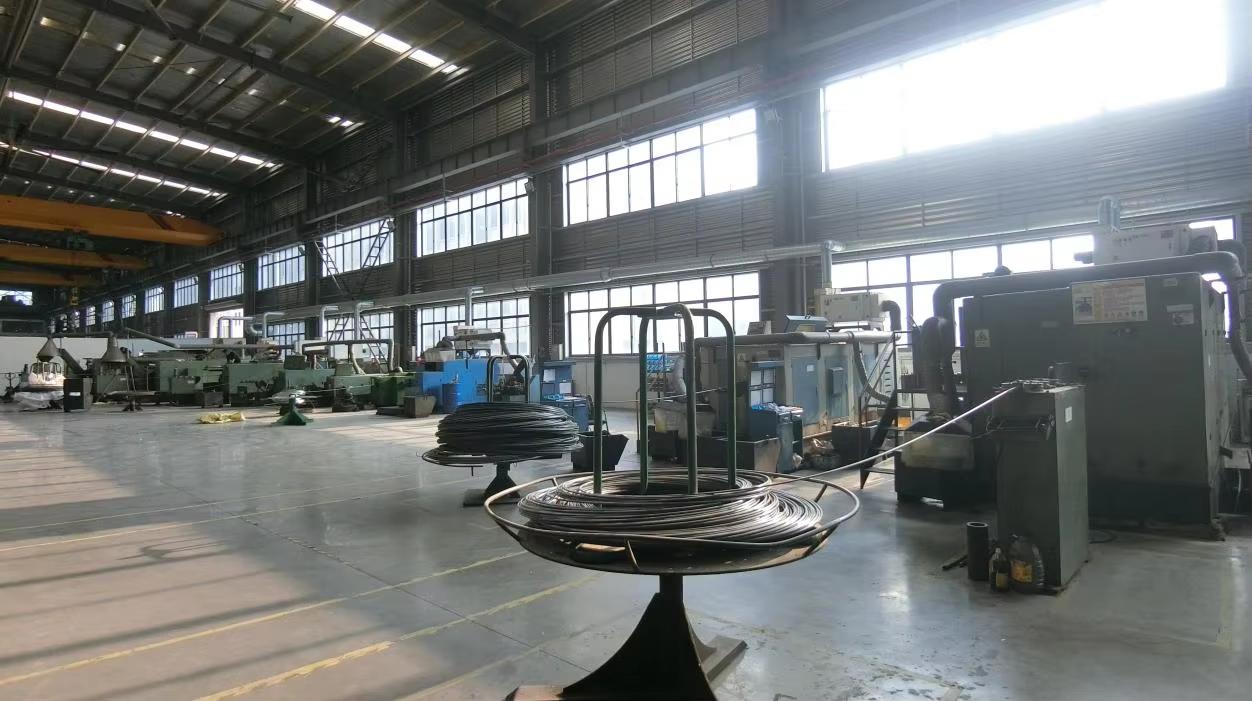
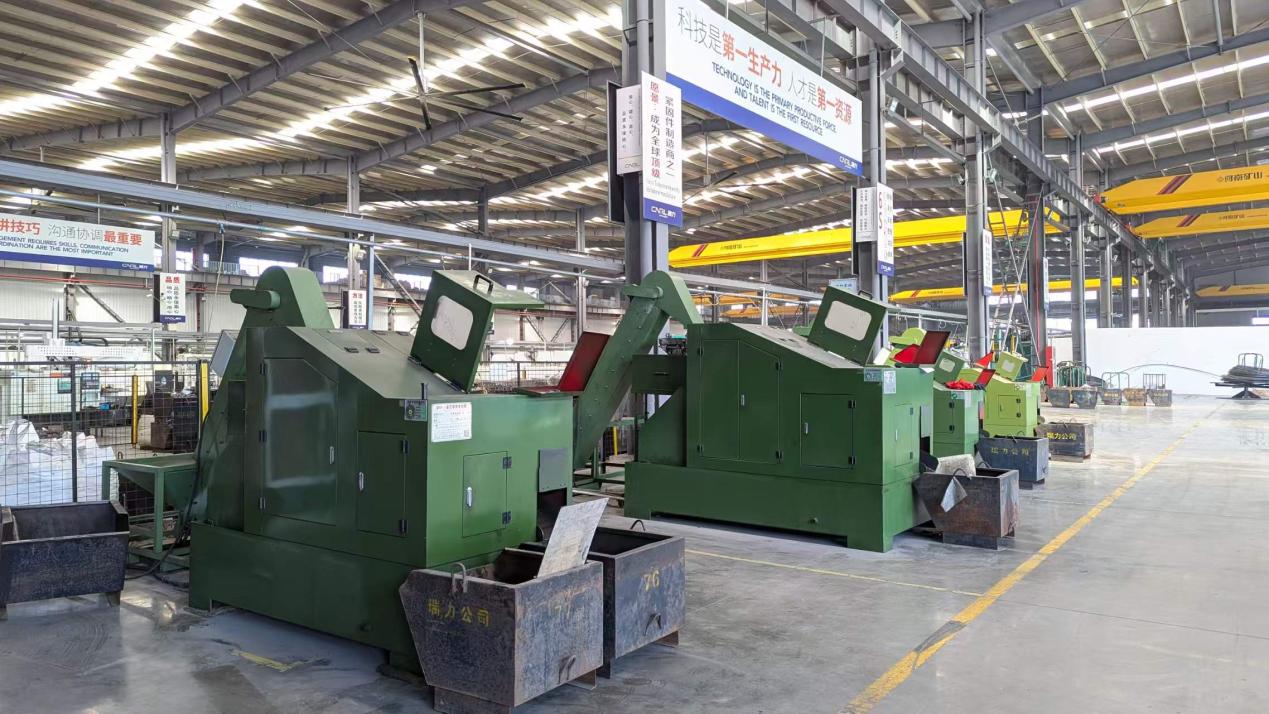
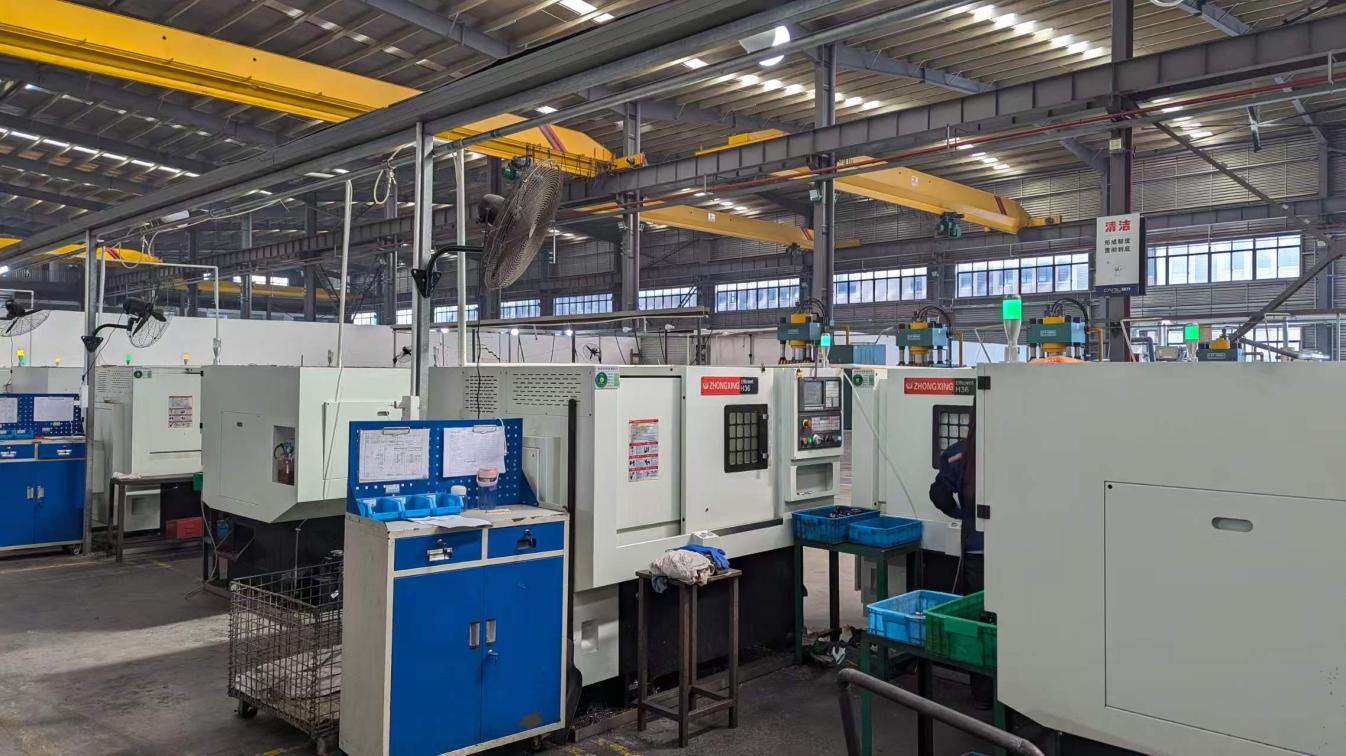
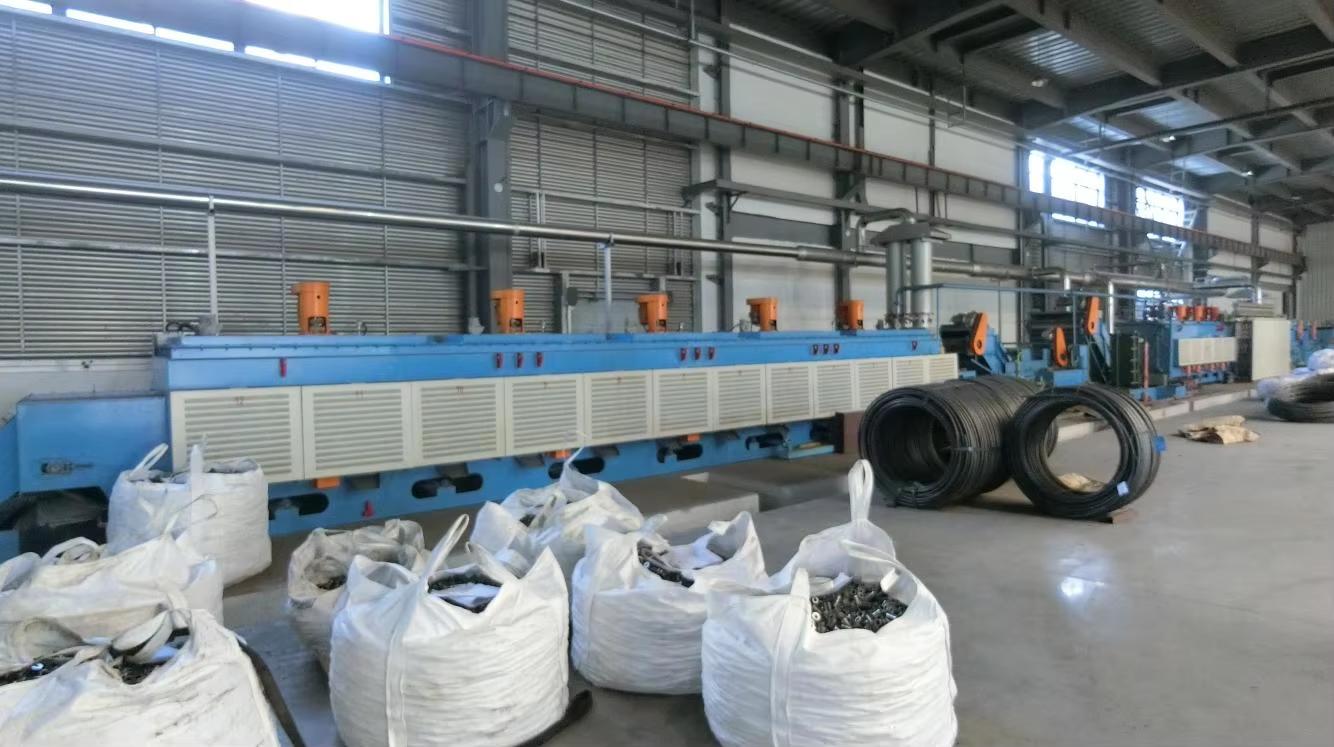
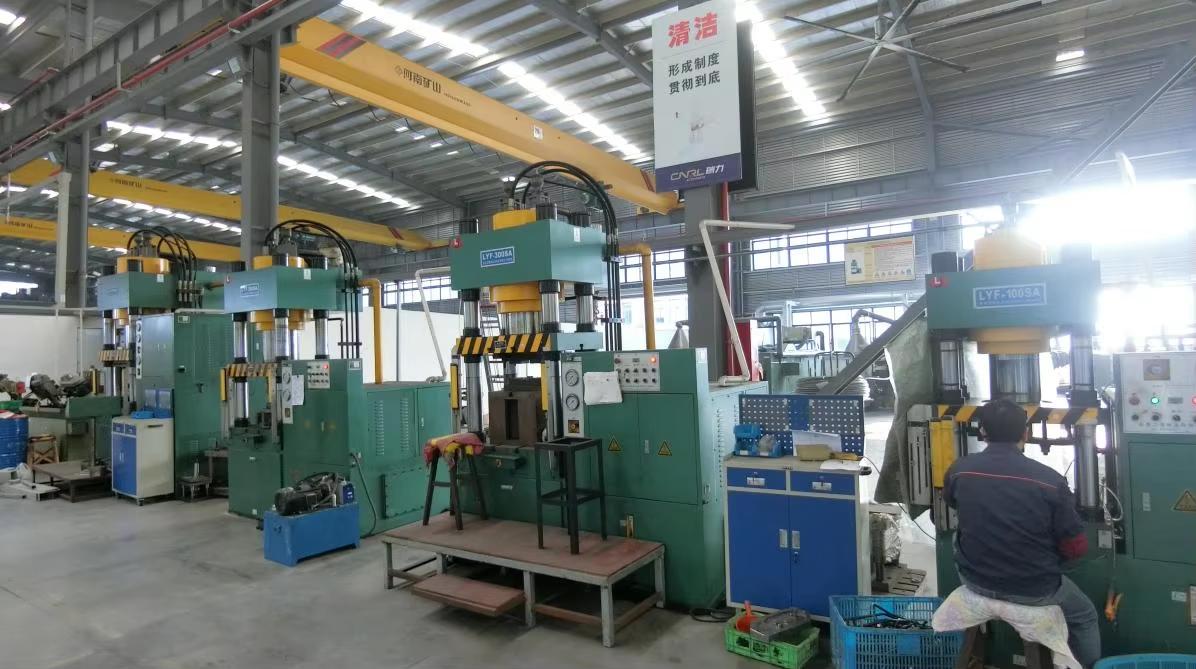
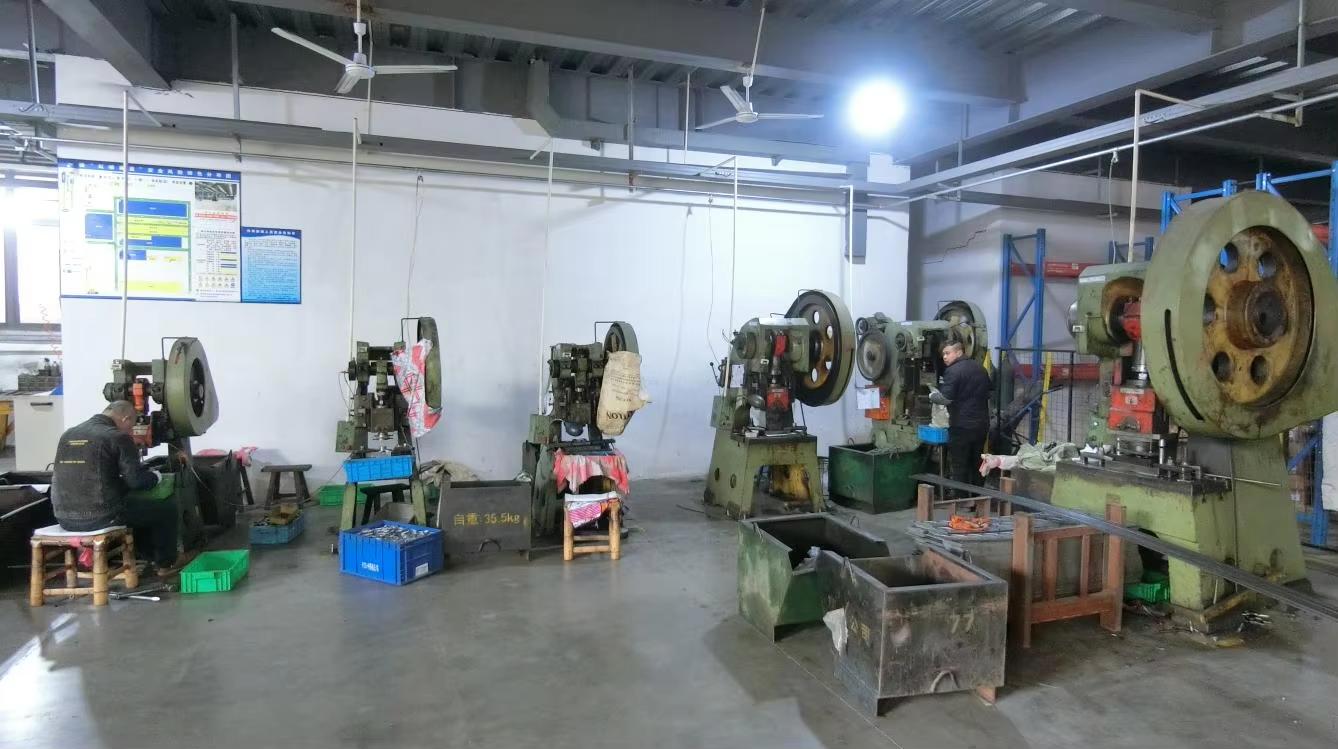
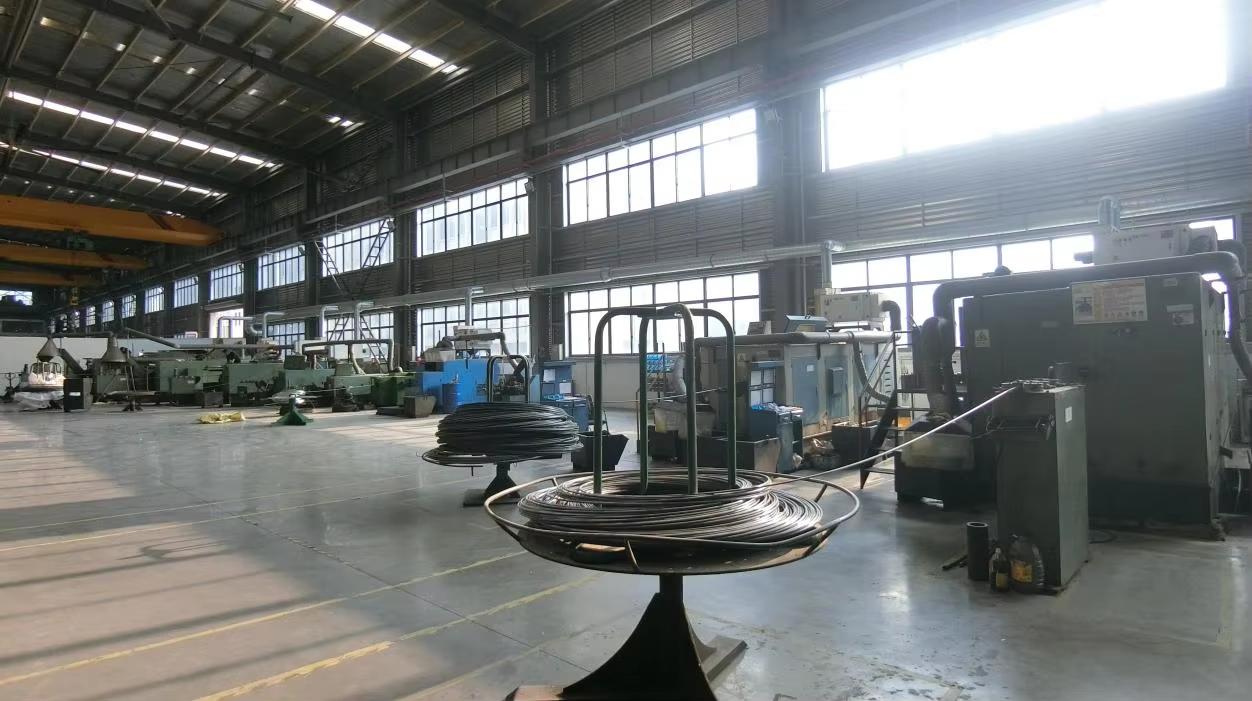
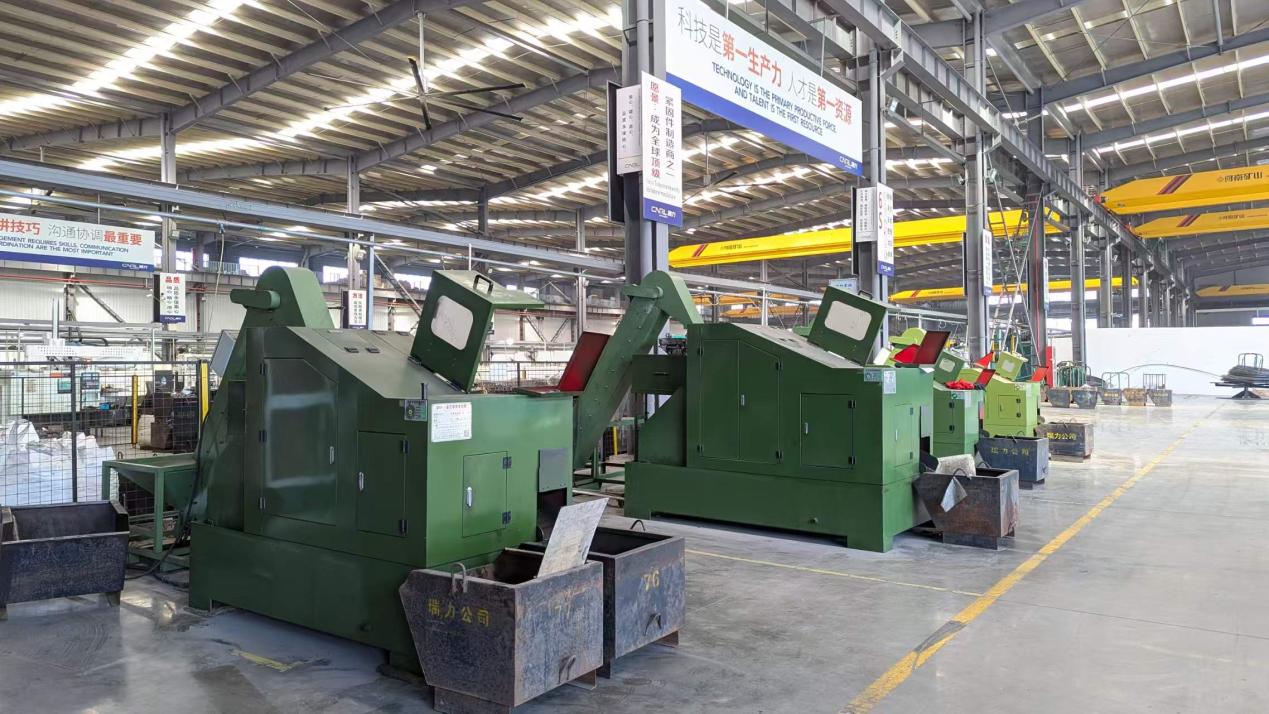
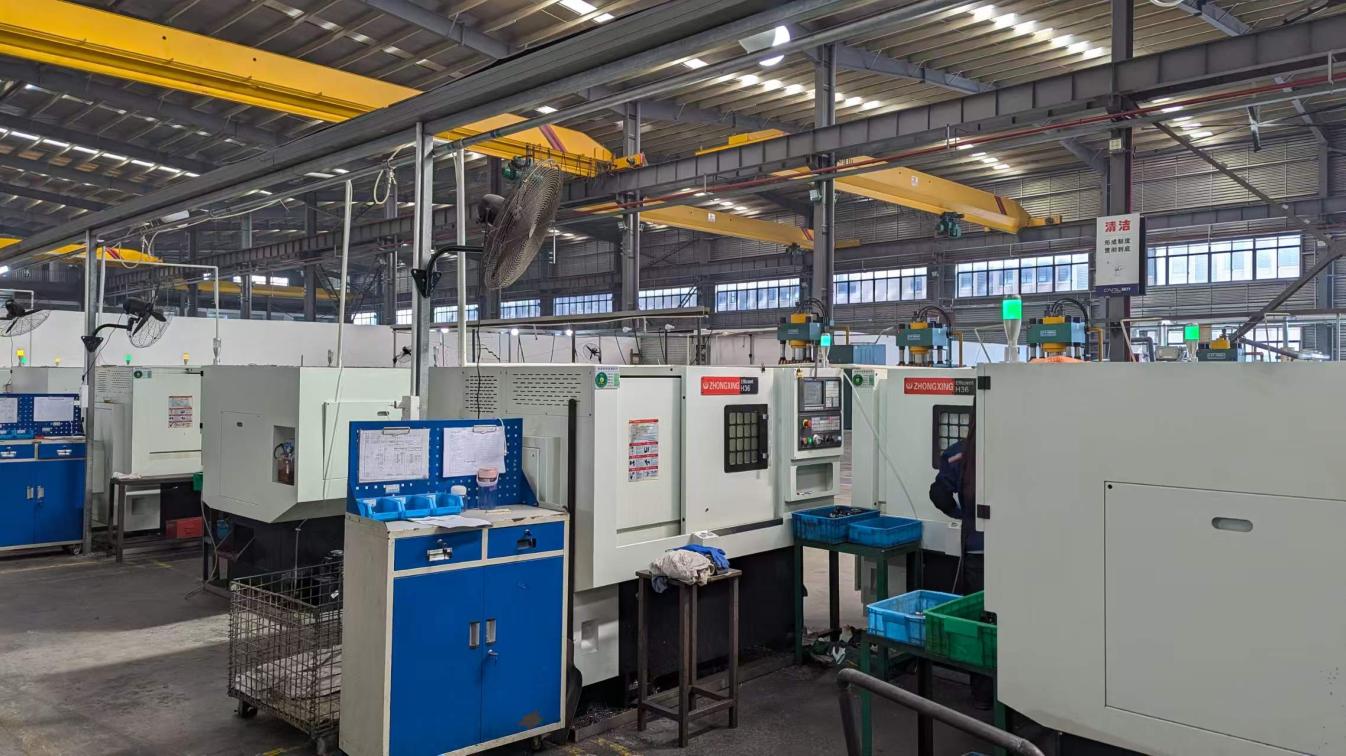
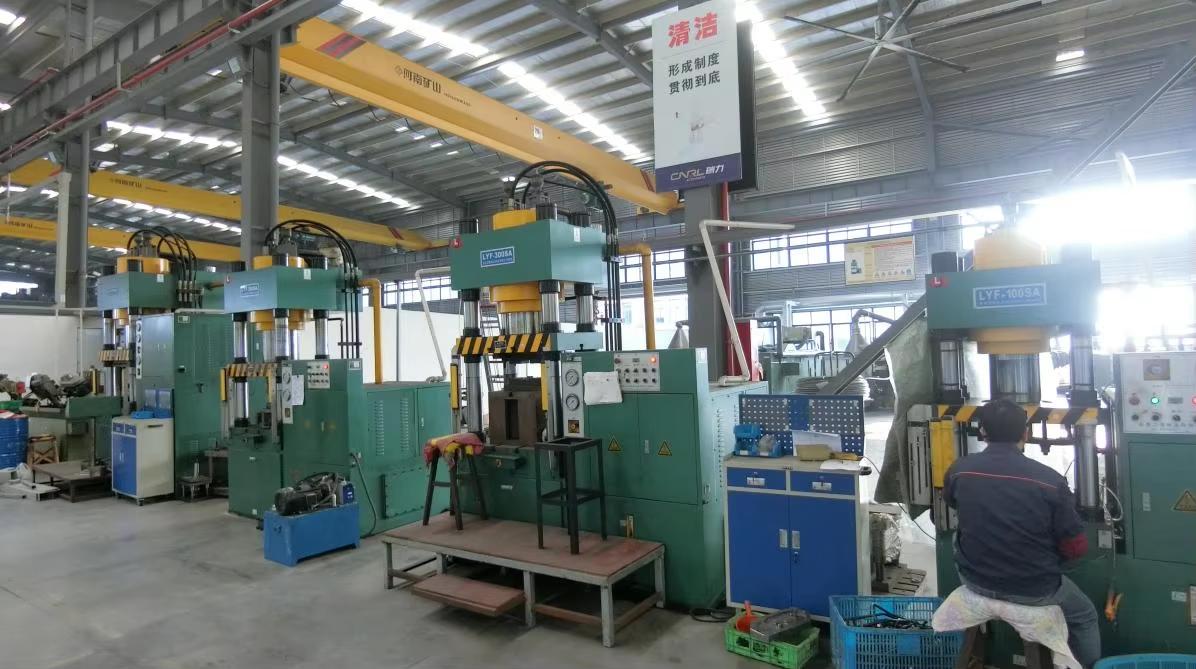
How our R&D department configures polymer properties for long-term stability in extreme climates.
Standard ABS plastics typically exhibit brittle-to-ductile transitions that fail under sub-zero temperatures. In environments like northern North Korea, where winter temperatures routinely drop below -20°C, typical plastic trim is highly prone to cracking upon minor impacts. To address this, our materials science laboratory has formulated a low-temperature impact-resistant ABS alloy.
By compounding high-purity virgin Acrylonitrile and Butadiene with a specialized Polycarbonate (PC) modifier, we produce a material that maintains elasticity and structural integrity in extreme cold. Additionally, we integrate benzotriazole-class UV absorbers directly into the polymer matrix. This structural protection prevents UV-induced fading, chalking, and polymer chain degradation under prolonged high-altitude solar exposure.
An integrated PMMA (Polymethyl Methacrylate) outer layer provides excellent scratch resistance and maintains a deep matte black finish without requiring paint.
Fender flare structures are designed to flex under stress and absorb impact energy, protecting the underlying steel body panels from damage.
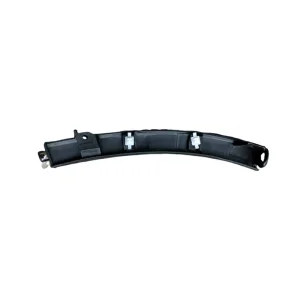
Mounting points use reinforced backing plates and custom hardware, ensuring secure attachment even on high-vibration industrial routes.
Optimizing heavy-duty vehicle profiles for transport corridors, forestry, and mining industries.
Vehicles operating in municipal transit, regional forestry, and coastal logistics require customized exterior trim to handle specific environmental challenges:
Essential B2B procurement details regarding customizations, materials, and international logistics.
We primarily use premium, virgin ABS (Acrylonitrile Butadiene Styrene) modified with specialized UV stabilizers and impact modifiers. For heavy-duty applications requiring maximum durability, we also produce polycarbonate (PC) and blend formulations that maintain flexibility in sub-zero environments.
Our engineering team utilizes high-precision 3D optical scanning to map the exact body contours of target vehicle models. The resulting data informs our CNC-milled aluminum injection molds, ensuring a seamless, gaps-free fit that matches OEM specifications.
We offer both bolt-on (rugged look) and flush-mount styles. The majority of our models are designed to use existing factory mounting holes along the inner wheel well, minimizing the need for direct drilling into the sheet metal and reducing rust risks.
We provide comprehensive OEM and ODM support, including custom branding, packaging design, and unique surface textures (such as matte, glossy, or carbon fiber patterns). Our engineering team can develop new molds within 25 to 45 days based on customer drawings or reference components.
Explore our full line of professional-grade fender flares and wheel arch trims, engineered for global vehicle platforms and heavy-duty utility fleets.