Macajor Auto
Macajor Auto
Macajor Auto
In an era of rapid industrialization and urban density, portable fire extinguishers are no longer just "red cans" on a wall; they are sophisticated first-response assets integrated into comprehensive fire safety ecosystems.
High-rise buildings and shopping malls require localized deployment of ABC Dry Powder and CO2 extinguishers. Modern solutions involve IoT-enabled pressure monitoring to ensure 100% readiness without manual inspections.
Heavy industries dealing with chemicals (Class B) or metals (Class D) utilize specialized agents. Manufacturers are now pivoting towards eco-friendly aqueous film-forming foams (AFFF) that offer higher suppression rates with lower environmental impact.
The rise of Lithium-ion batteries presents a unique fire risk. Leading manufacturers are developing "Lithium-specific" portable units that utilize specialized cooling agents to prevent thermal runaway, a critical gap in traditional firefighting technology.
The global portable fire extinguisher market is witnessing a tectonic shift from traditional mechanical assemblies to intelligent, data-driven safety devices. The Asia-Pacific region, led by manufacturing hubs in China and Vietnam, remains the largest producer, while North American and European markets drive the demand for high-end, certified specialized extinguishers.
Supply Chain Resilience: Top-tier manufacturers are increasingly internalizing the production of pressure vessels and valves to mitigate global supply chain fluctuations. This "Vertical Integration" ensures that raw material costs (like steel and extinguishing agents) are managed effectively, providing global buyers with price stability.
Information Gain: Modern procurement directors are now looking beyond the "Price Per Unit." They are evaluating "Total Cost of Ownership" (TCO), which includes refill cycles, durability of the valve mechanism, and the recyclability of the agent. This is where the Top 10 Manufacturers differentiate themselves—by offering products that last 10-12 years with minimal maintenance.
Compliance with NFPA 10 is mandatory. Manufacturers must provide UL-listed units with specific discharge times and range requirements to meet US and Canadian safety codes.
The EN3 standard governs the design, performance, and testing. Top factories prioritize the "CE Marking" and PED (Pressure Equipment Directive) to ensure seamless entry into the Eurozone.
In regions like the GCC, SASO and Civil Defense approvals are paramount. Localization involves heat-resistant coatings and bilingual labeling (English/Arabic) for rapid response.
As a factory-direct manufacturer, Hangzhou Macajor Auto Co., Ltd. operates with a well-established production system and a reliable supply chain, ensuring consistent product quality, competitive pricing, and stable delivery performance for global customers.
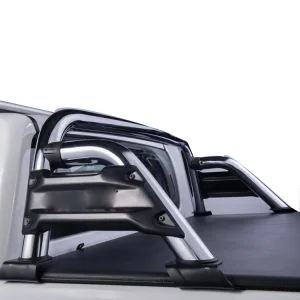
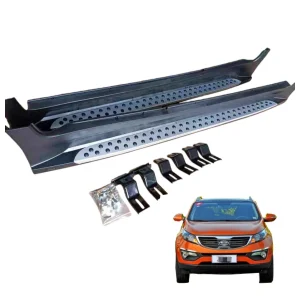
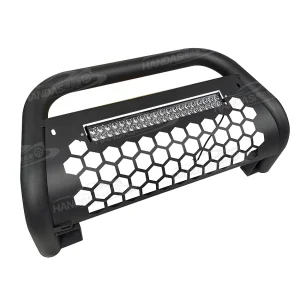
Backed by years of industry expertise, advanced production equipment, and a skilled engineering team, we specialize in developing durable, functional, and market-driven automotive accessories. From product design and tooling development to mass production, we provide comprehensive manufacturing solutions tailored to customer requirements.
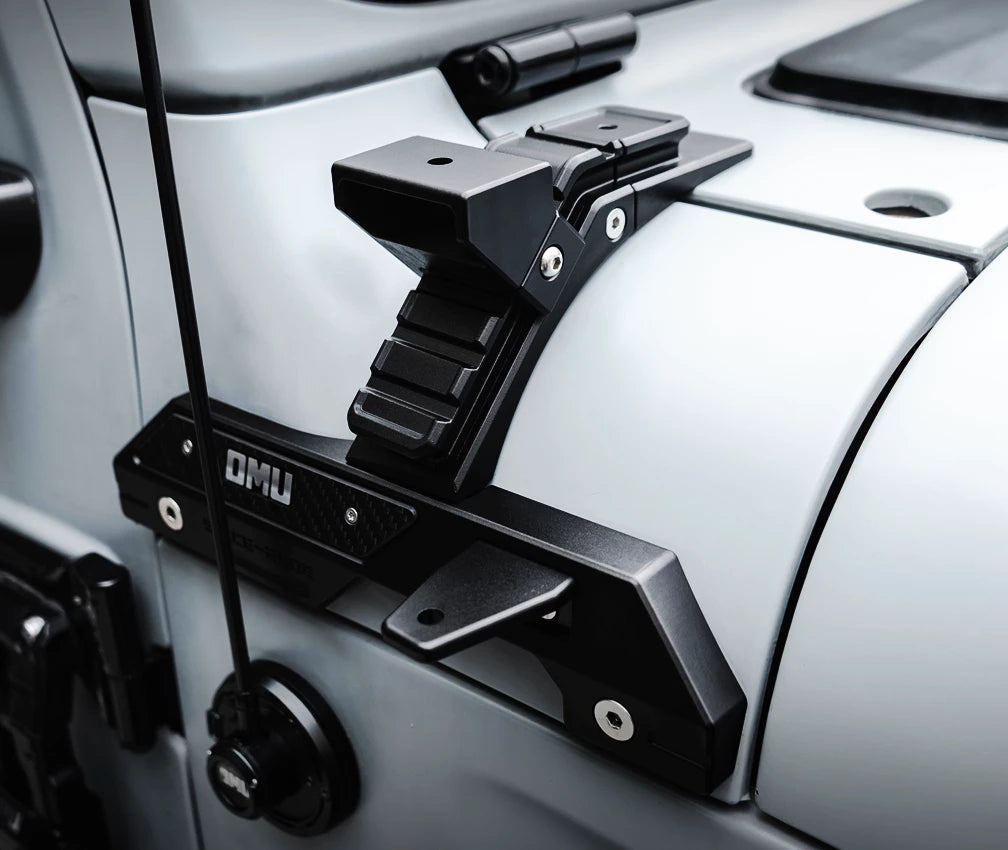
Founded in 2008, Hangzhou Macajor Auto Co., Ltd. is a professional manufacturer specializing in automotive accessories, off-road equipment, and vehicle modification products. With over 18 years of manufacturing experience, we have become a trusted supplier for customers seeking high-quality OEM and ODM solutions.
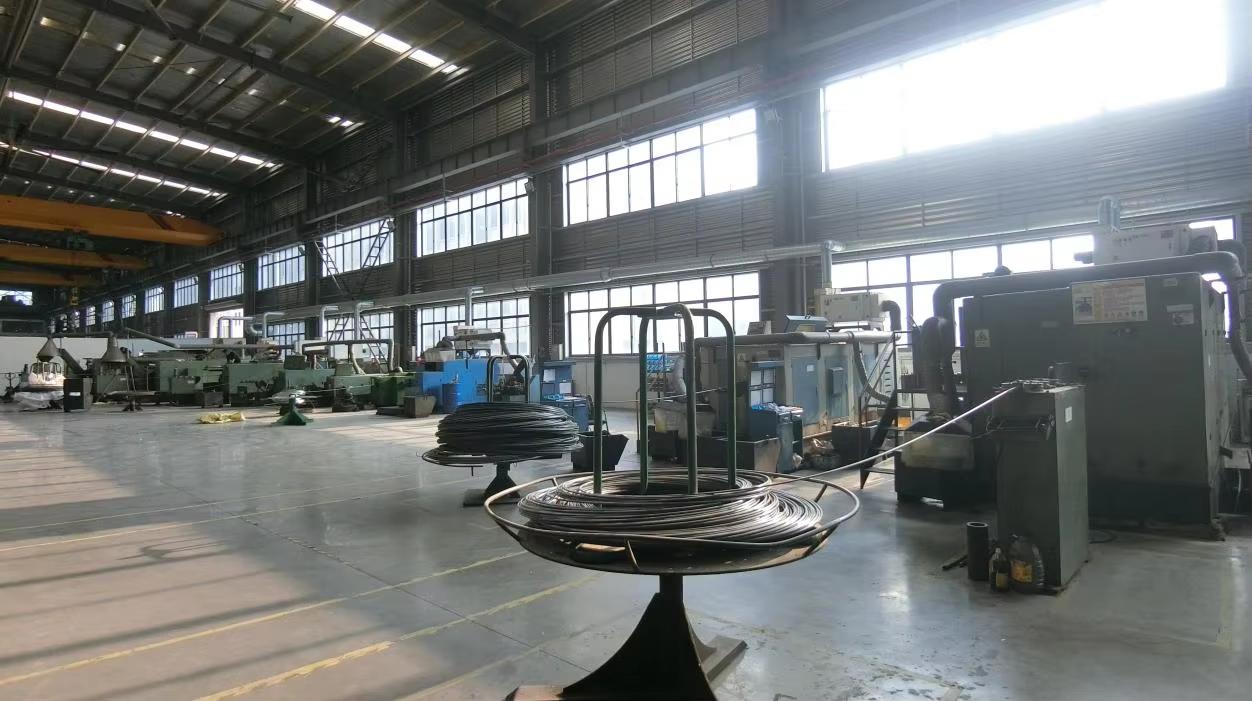
Cold Heading
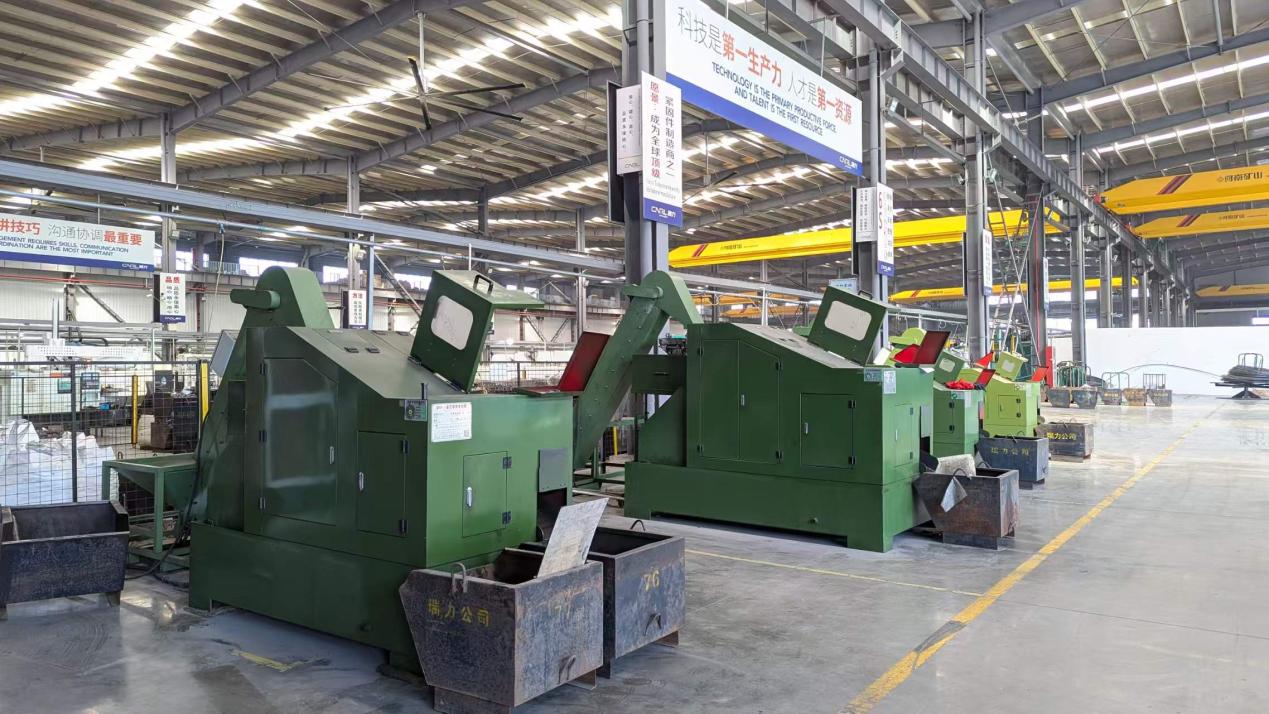
Rolling
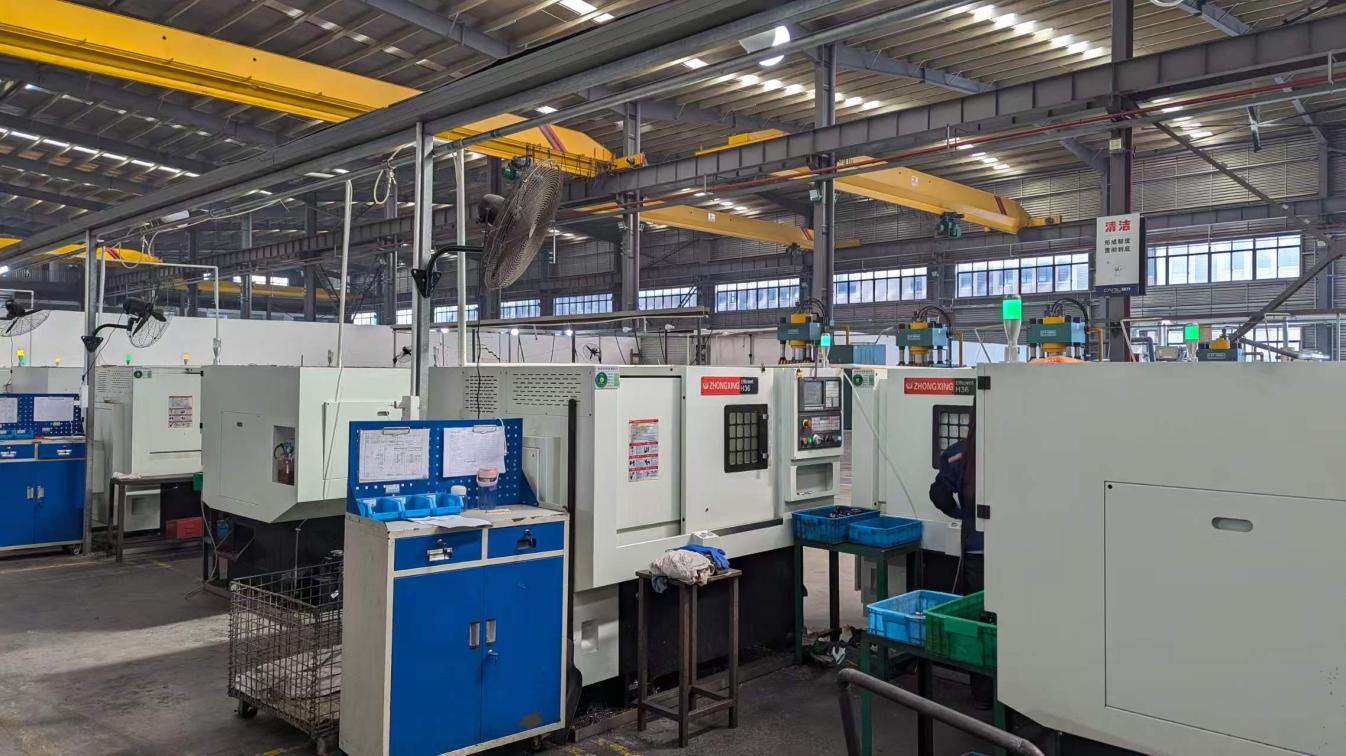
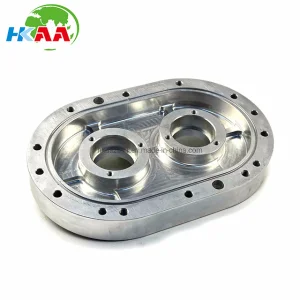
CNC Machining
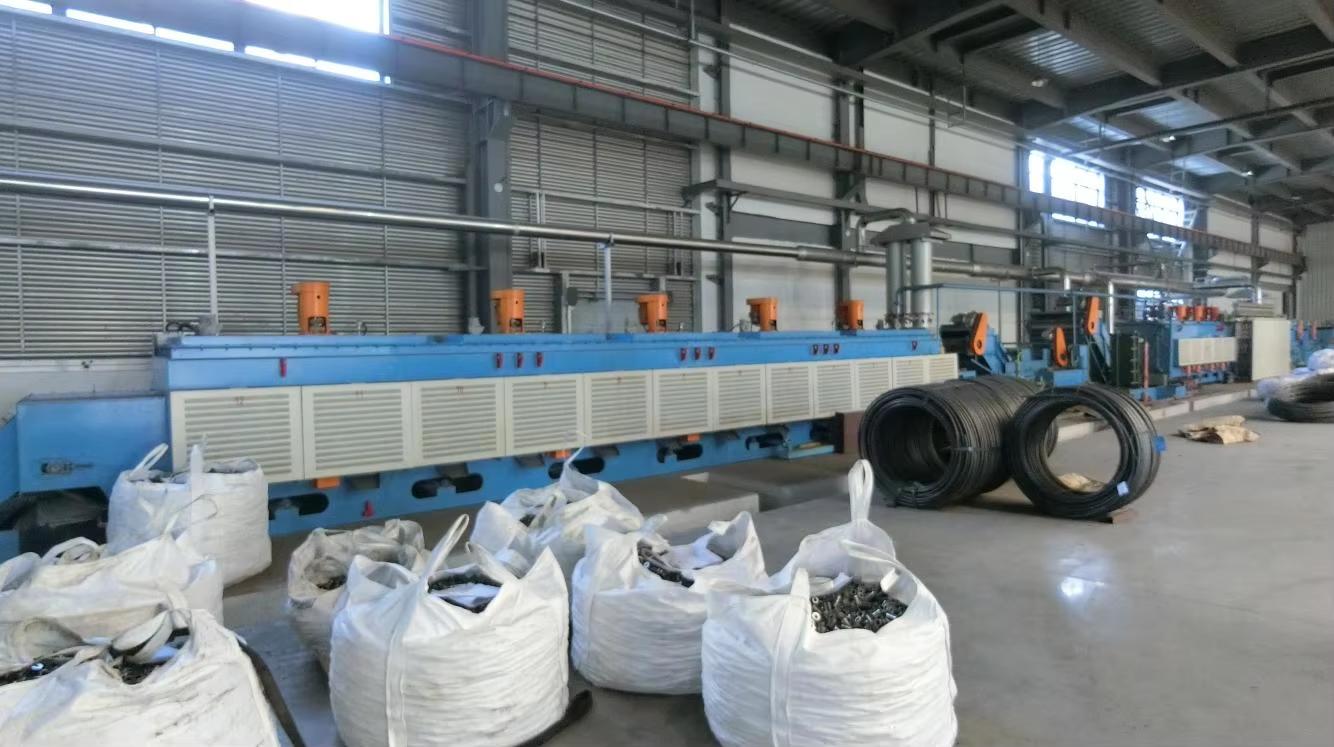
Heat Treatment
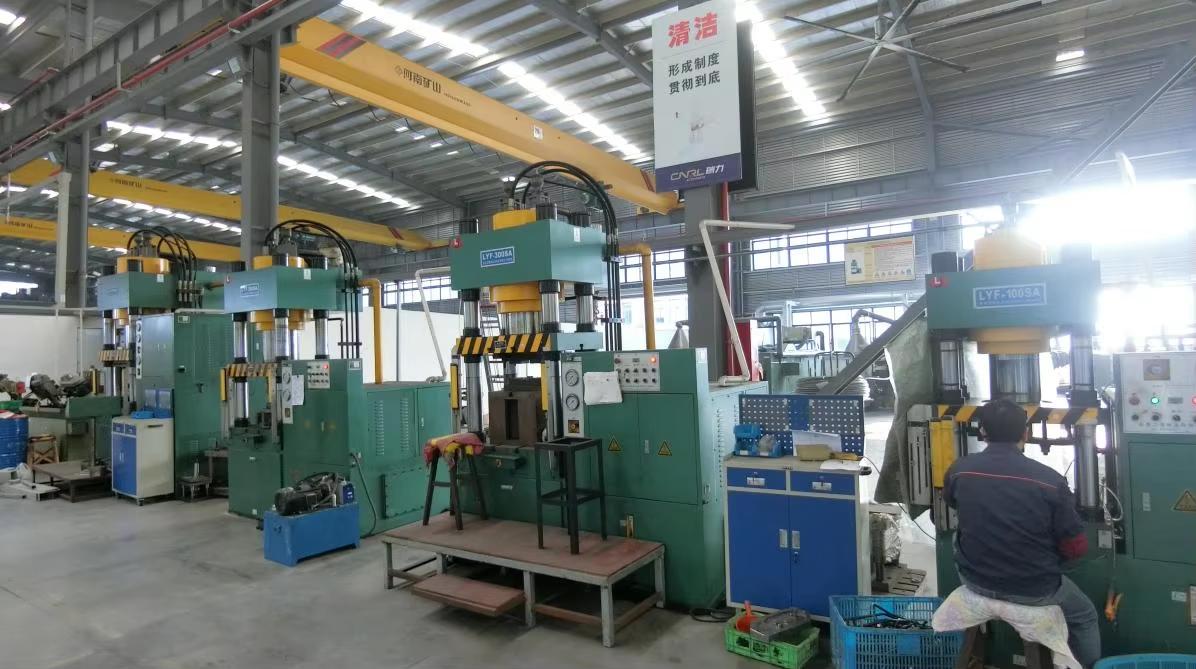
Hydraulic Machining
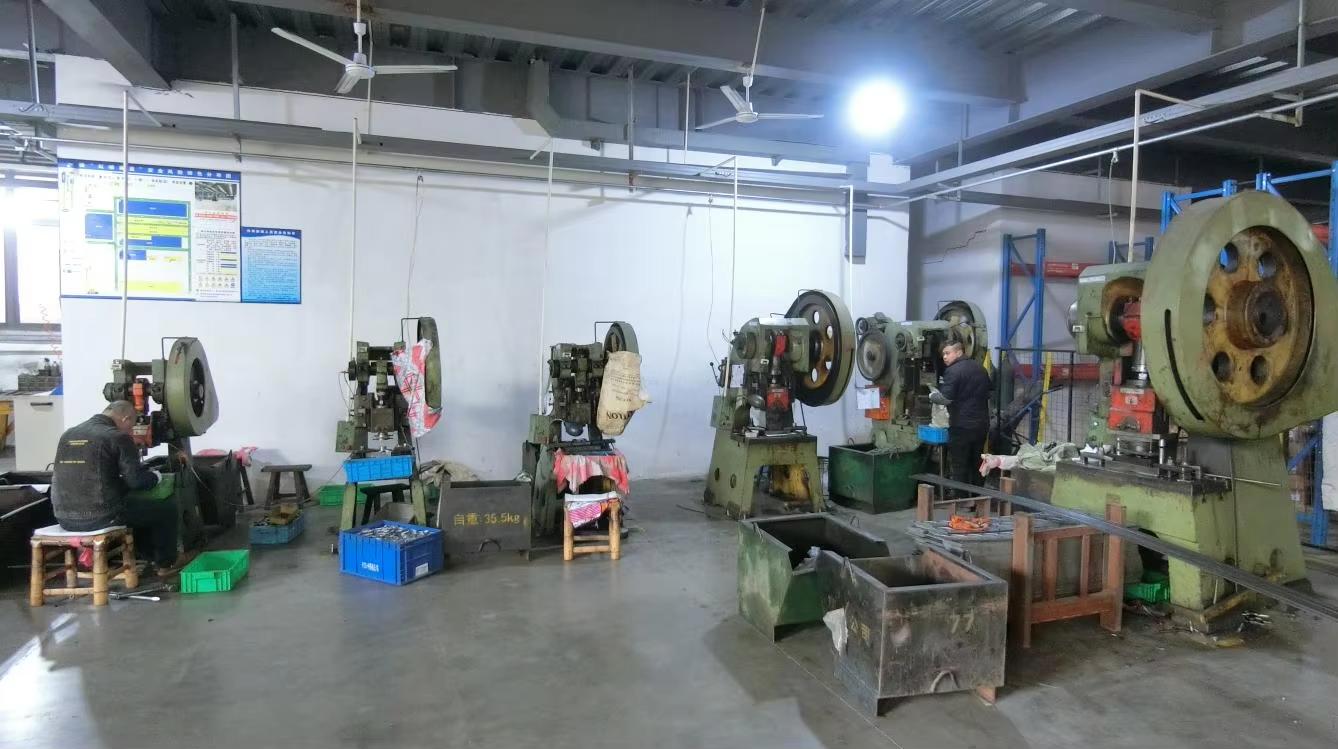
Punching
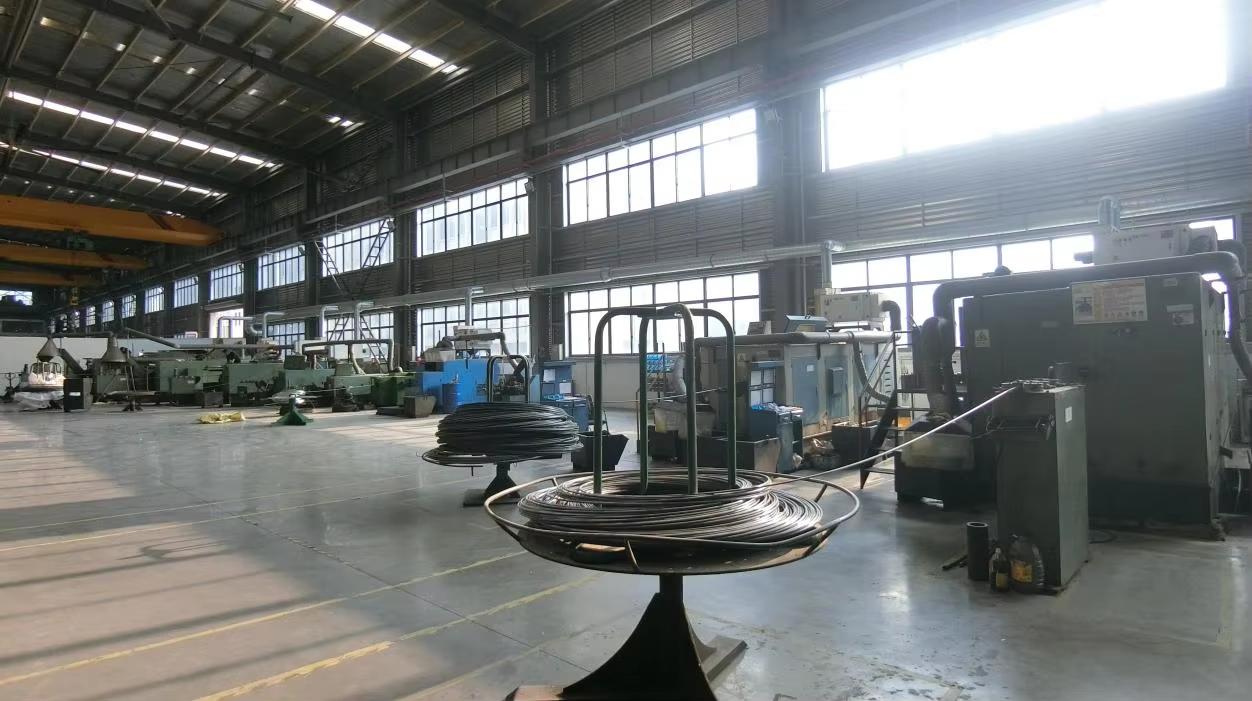
Cold Heading Machine
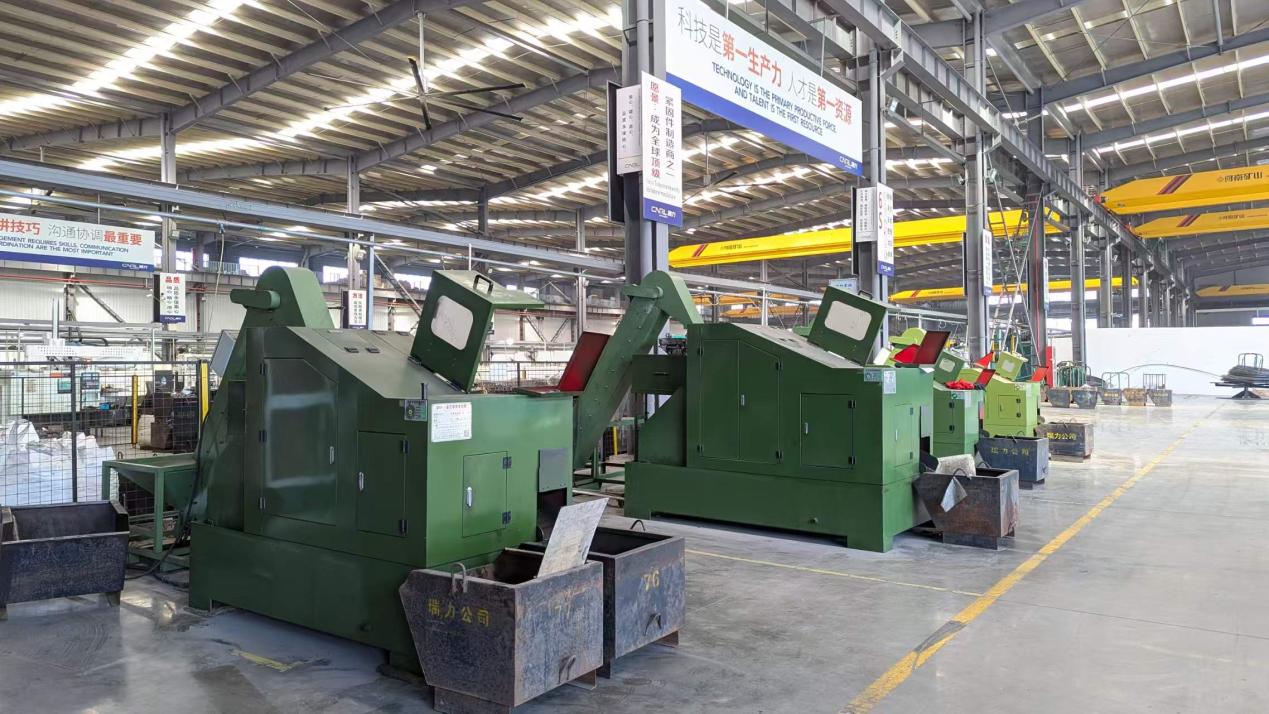
Thread Rolling
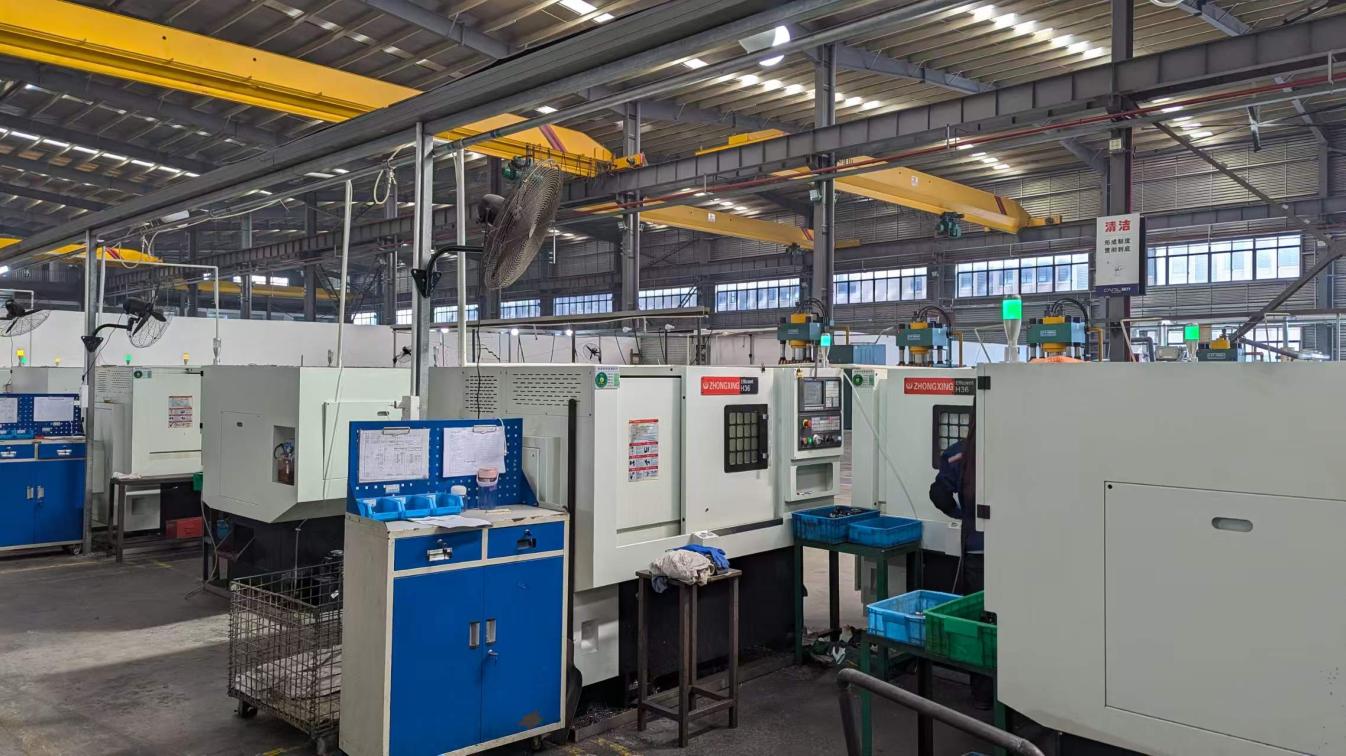
CNC Center
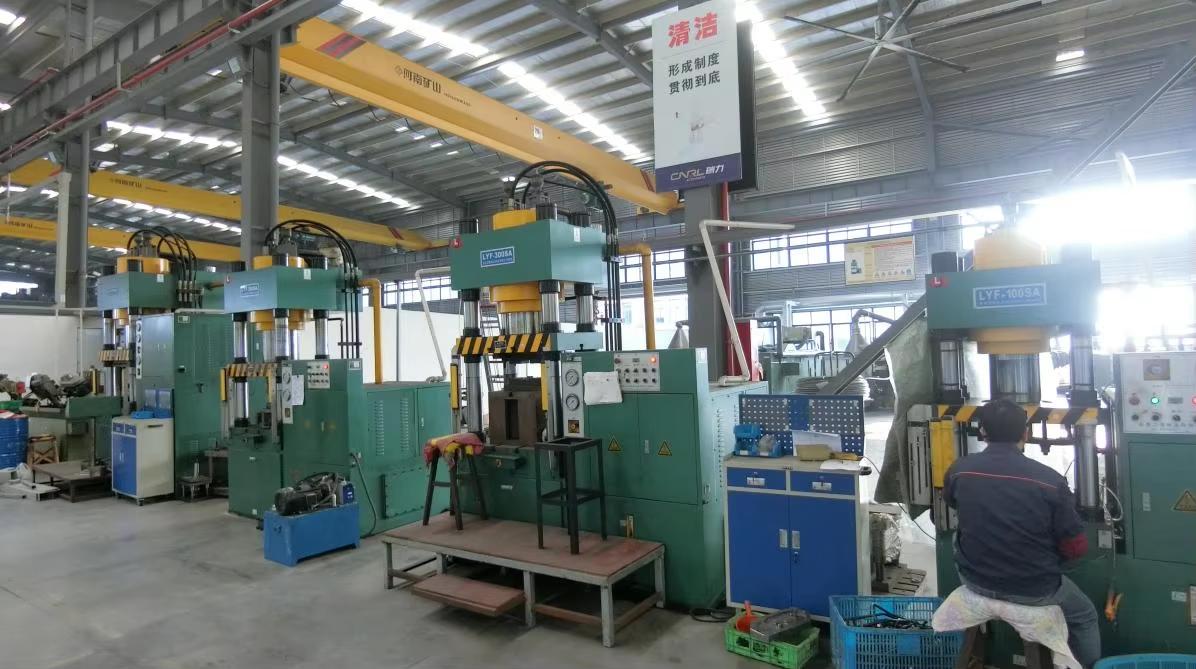
Hydraulic Press
Transitioning from traditional AFFF to eco-friendly, biodegradable foam agents that meet stringent new environmental regulations (PFAS-free).
Integration of Bluetooth and Narrowband-IoT sensors into the valve head to report real-time pressure status to building management systems.
Research into ultra-lightweight composite cylinders that reduce weight by 40% while maintaining higher burst pressure ratings.