Macajor Auto
Macajor Auto
Macajor Auto
Explore our elite selection of global automotive upgrades, precision engineered for direct compatibility and superior aerodynamic efficiency.
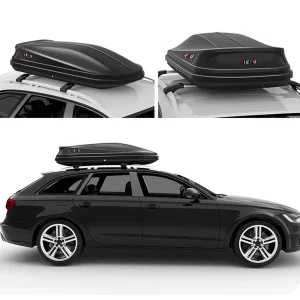
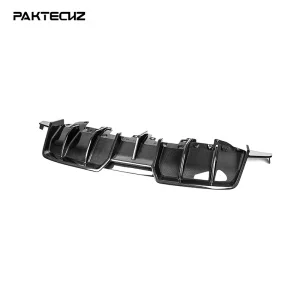
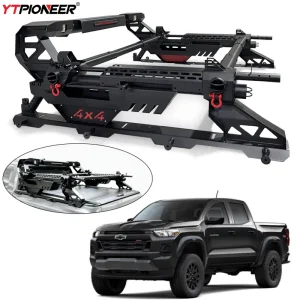
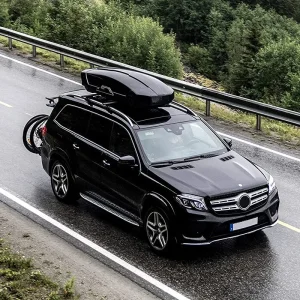
How aerodynamic heat management dictates the efficiency and longevity of modern combustion, hybrid, and electric powertrains.
In the hyper-competitive automotive aftermarket and original equipment manufacturing (OEM) sectors, the technology behind auto hood vents has evolved from simple aesthetic enhancements to highly sophisticated aerodynamic and thermal management tools. Modern automotive engineering faces a dual challenge: maximizing engine efficiency and reducing aerodynamic drag. The integration of high-performance hood vents plays a vital role in resolving this tension, operating as critical pressure-relief systems within the vehicle's frontal engine bay area.
From a thermal dynamics perspective, high-output Internal Combustion Engines (ICE), particularly turbocharged and supercharged powertrains, generate excessive ambient heat under the hood. When high temperatures accumulate, they form a thermal barrier that reduces air density inside the engine bay, leading to decreased power output, high transmission oil temperatures, and premature degradation of critical electronic control units (ECUs) and harness wires. By positioning vents in negative pressure zones across the hood, engineers exploit the Bernoulli Principle. This creates a pressure differential that draws hot air upward and outward, accelerating heat dissipation and reducing bay temperature by up to 25%.
Reduces engine under-hood heat accumulation by up to 25%, preserving vital electrical and mechanical components.
Mitigates high-speed under-car lift by venting pressurized air that gathers beneath the front bumper and radiator.
Constructed with premium composite materials that resist structural deformation under severe high-temperature cycles.
The global market for auto hood vents and premium exterior body panels is experiencing rapid growth, driven by the expanding off-road (4x4), sport utility vehicle (SUV), and high-performance racing modification industries. B2B buyers, distributors, and logistics fleet operators are demanding component designs that offer high durability, low weight, and ease of installation. Today's automotive buyer focuses on functional components that contribute to better fuel economy and mechanical reliability, transitioning the hood vent segment from a purely cosmetic accessory to a performance-centric requirement.
Hangzhou Macajor Auto Co., Ltd. delivers high-precision OEM & ODM solutions backed by 18+ years of expertise.
Founded in 2008, Hangzhou Macajor Auto Co., Ltd. has established itself as an industry-leading manufacturer specializing in automotive accessories, premium exterior body kits, off-road protective systems, and customized aerodynamic solutions. With almost two decades of refinement, we operate a fully integrated, state-of-the-art production facility. Our engineering division oversees projects from initial structural prototyping to large-scale injection molding and metal fabrication.
By leveraging direct-from-factory pricing and holding our operations to strict international standards (such as ISO 9001 and IATF 16949 compliance parameters), we help automotive importers, distributors, and specialized tuning brands optimize their supply chains. We offer comprehensive OEM and ODM support, including private-label design, custom structural mold building, material strength optimization, and tailored packaging solutions.
An inside look at our advanced engineering facility, where raw material is processed through automated systems to produce durable automotive components.
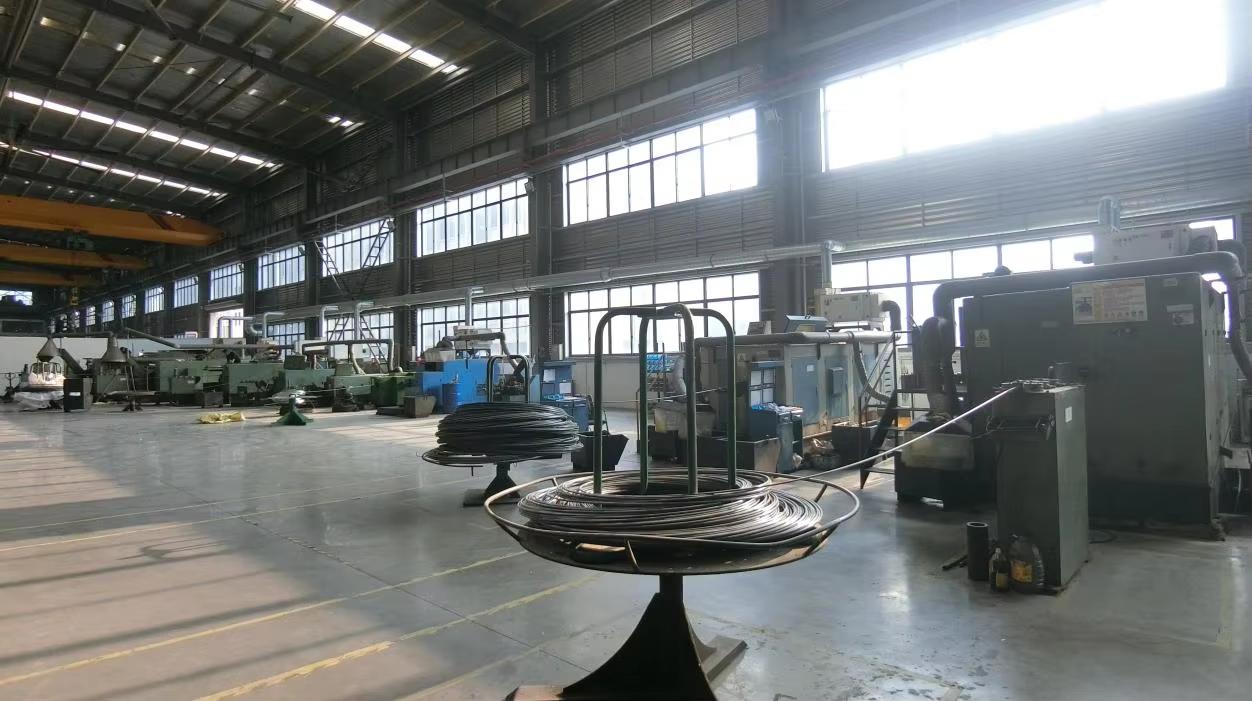
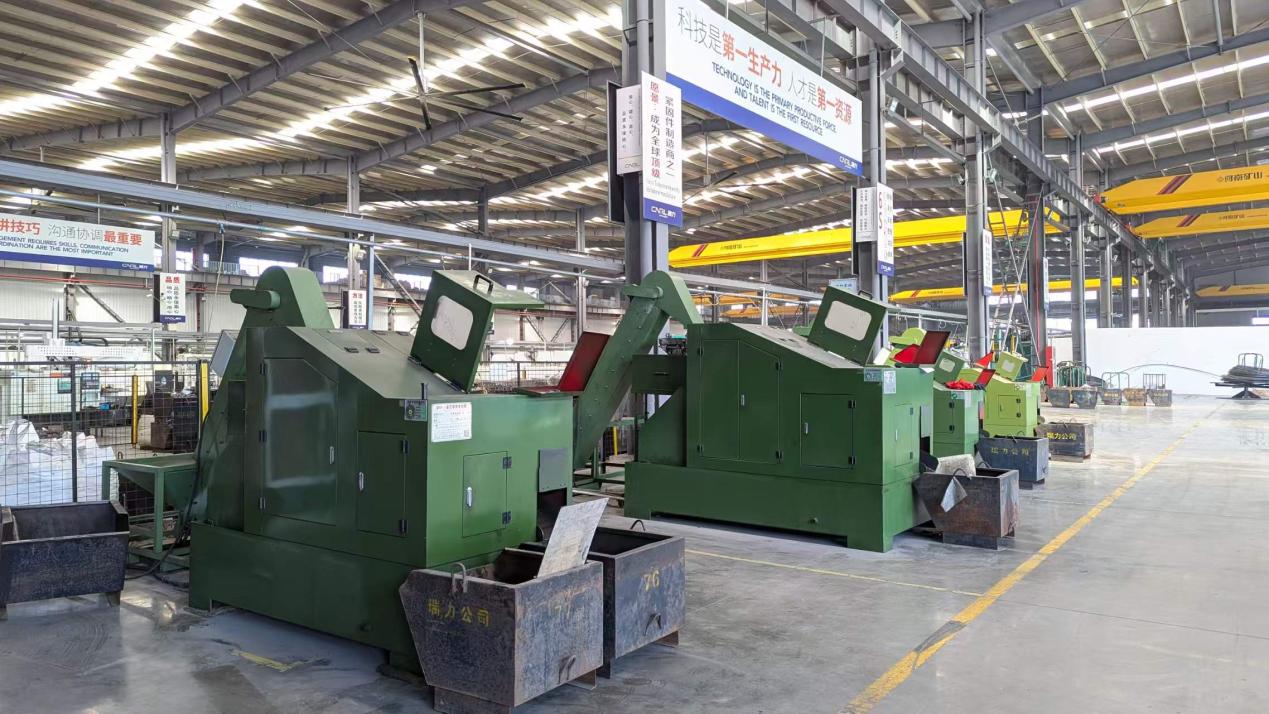
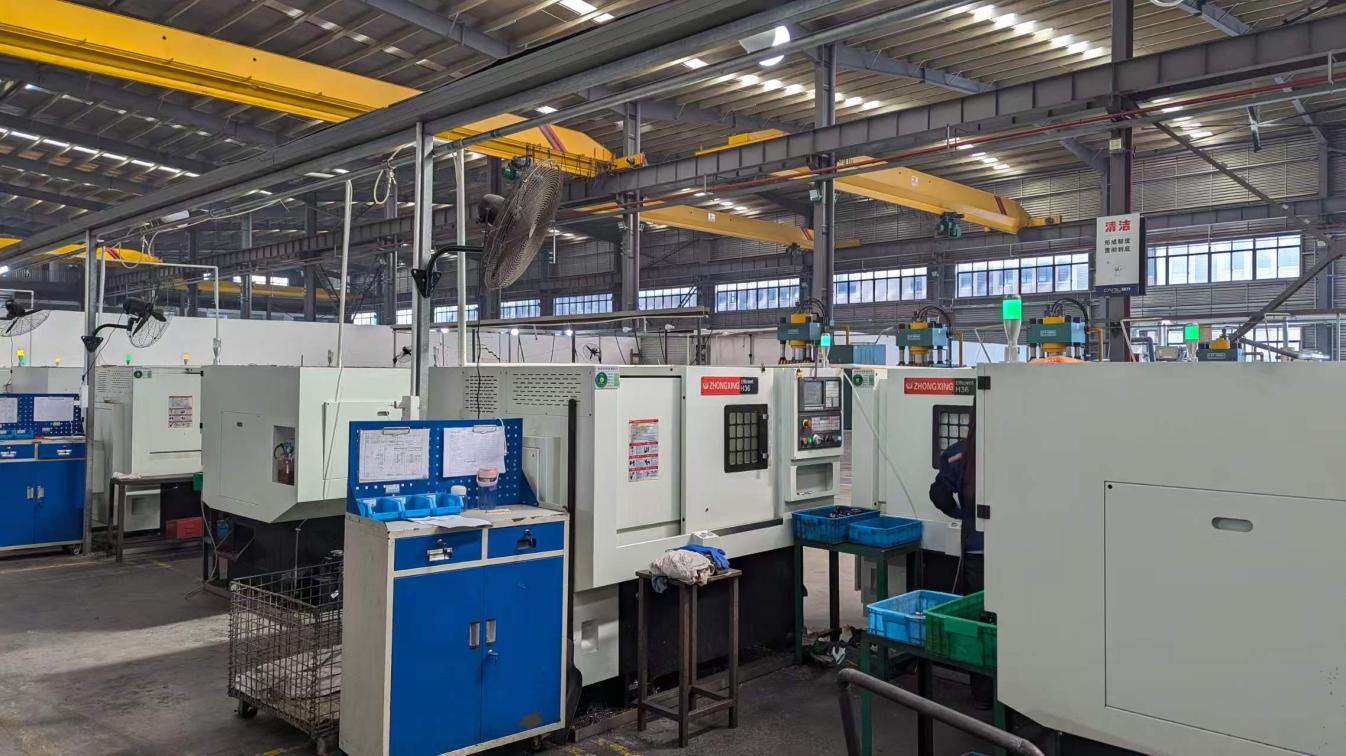
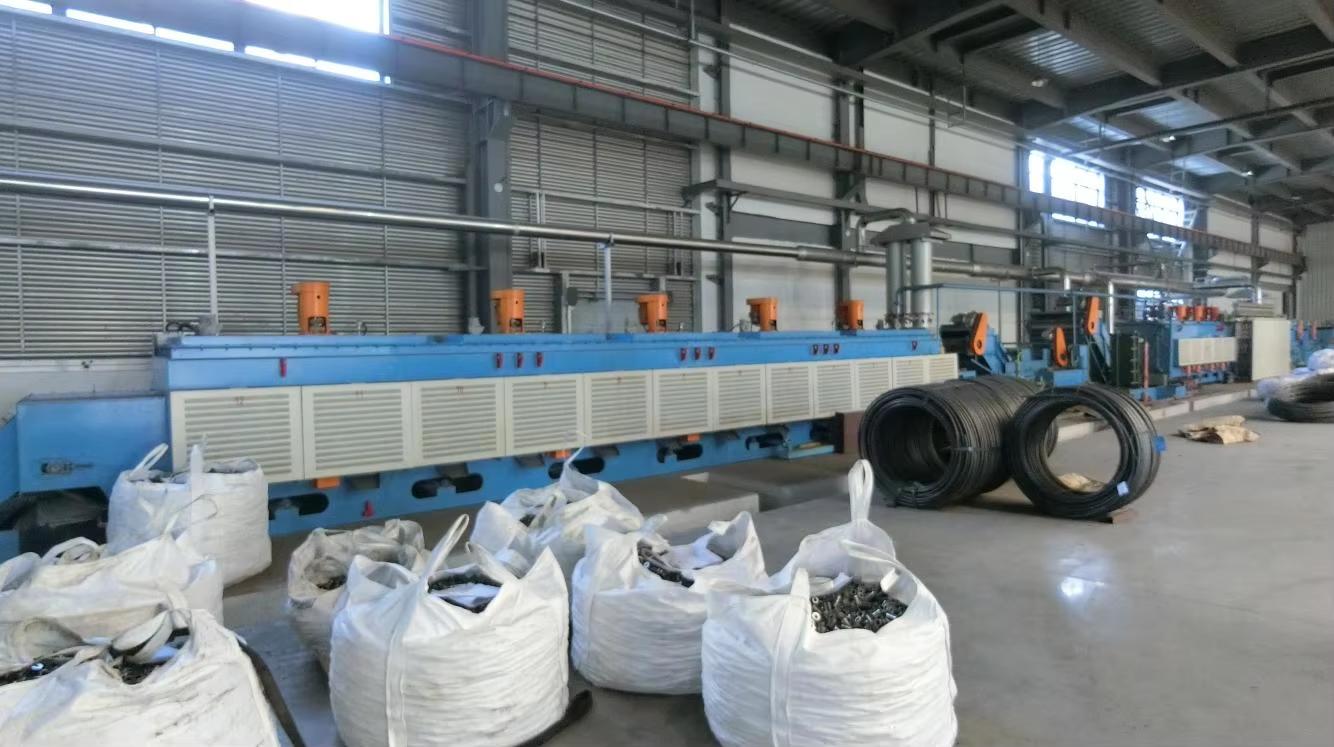
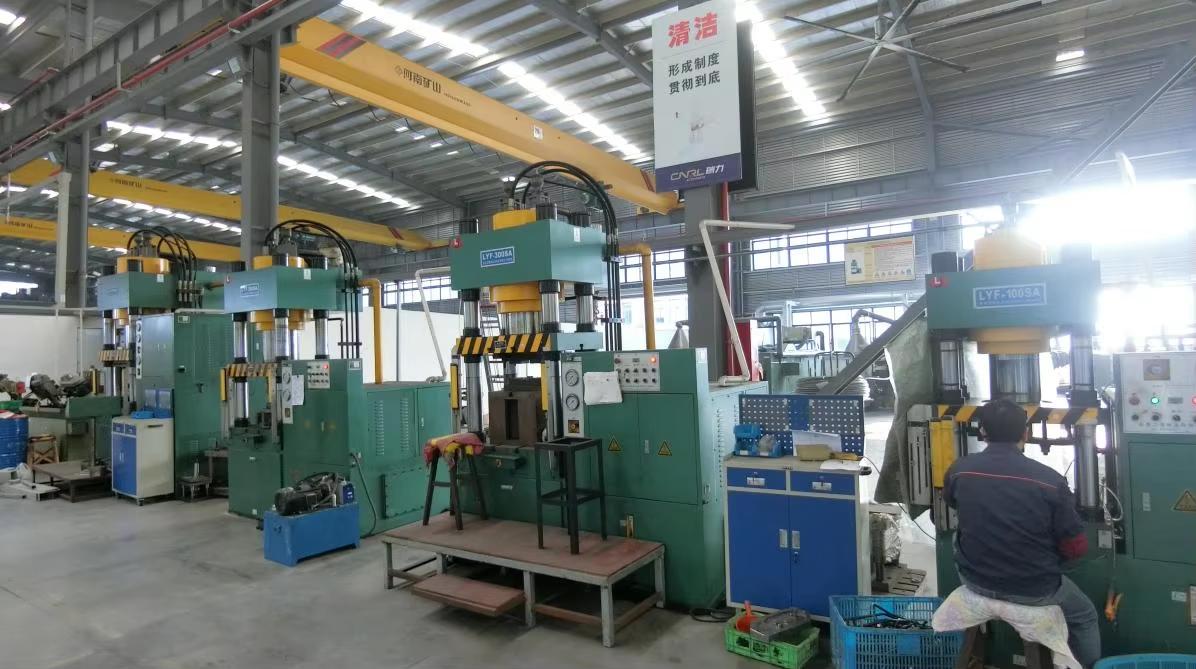
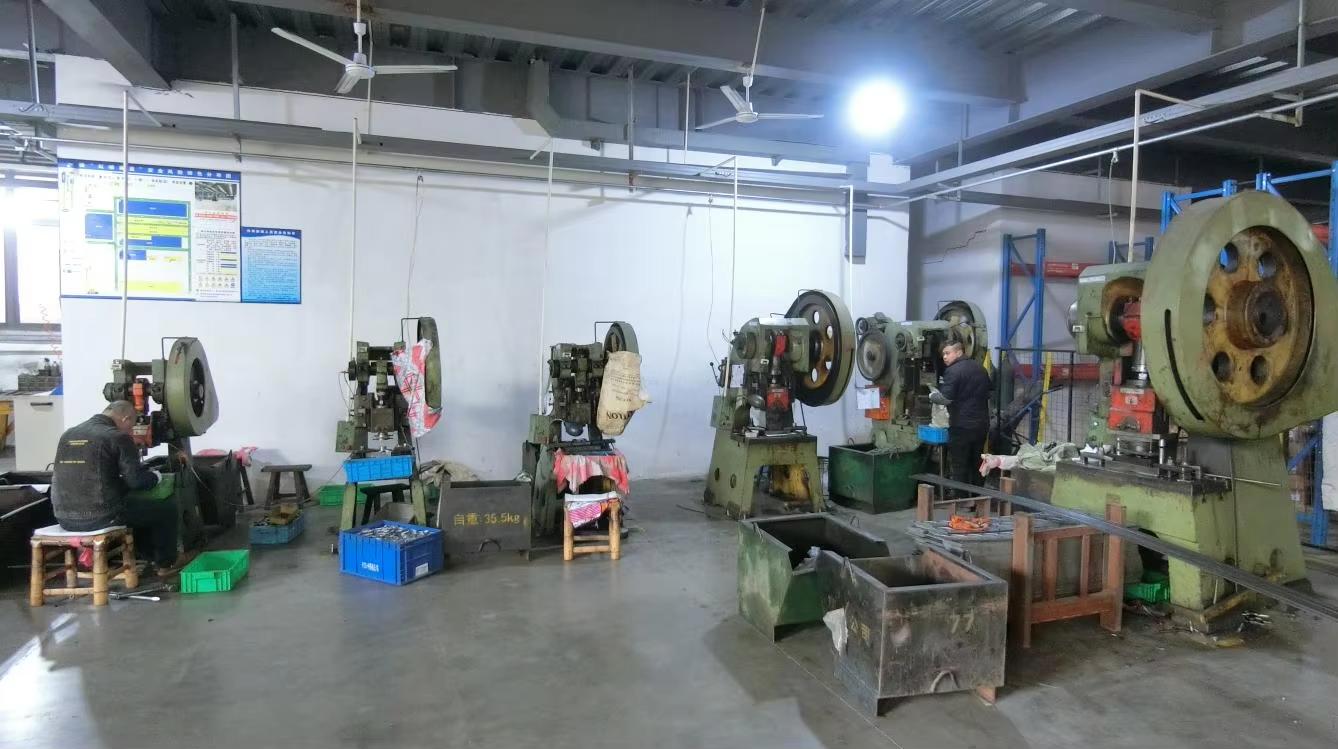
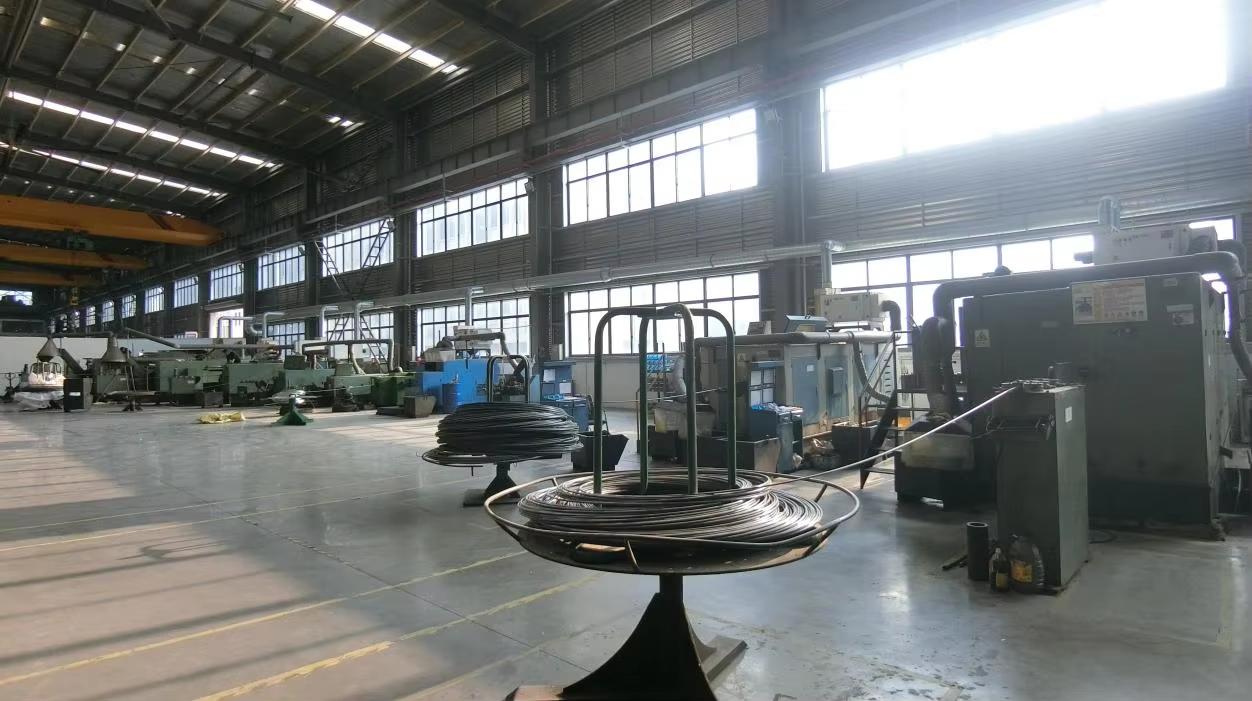
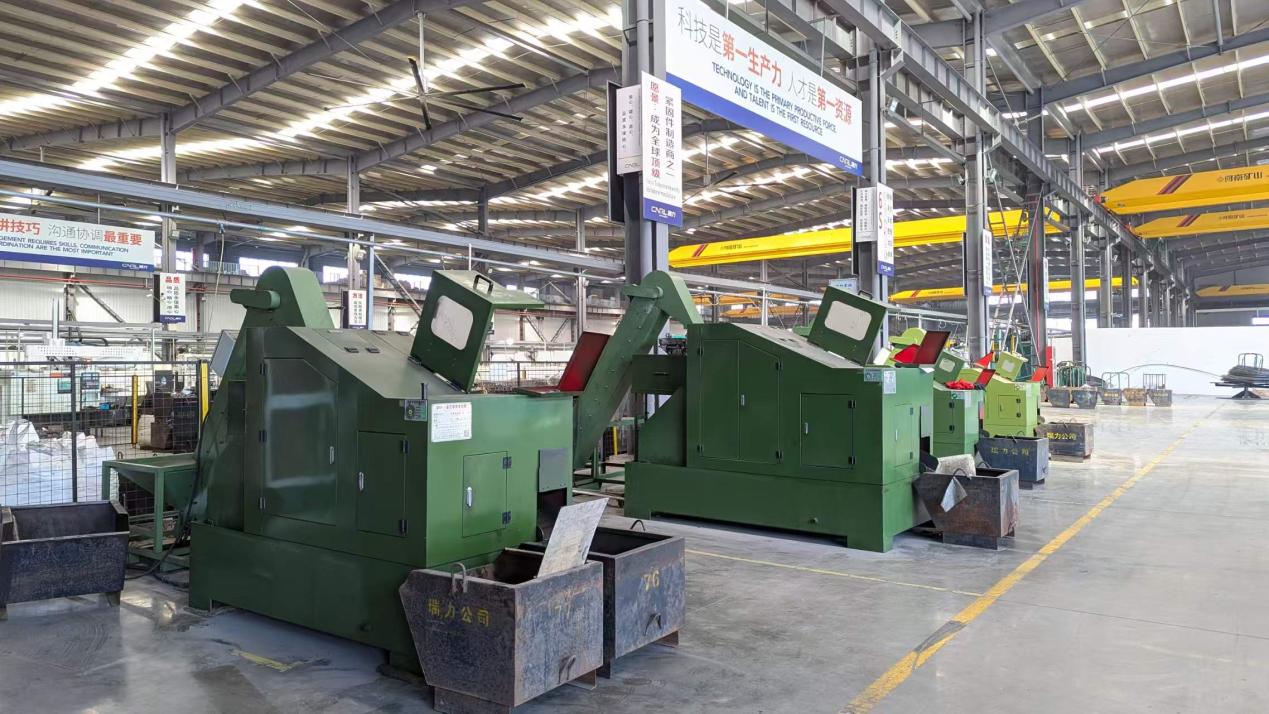
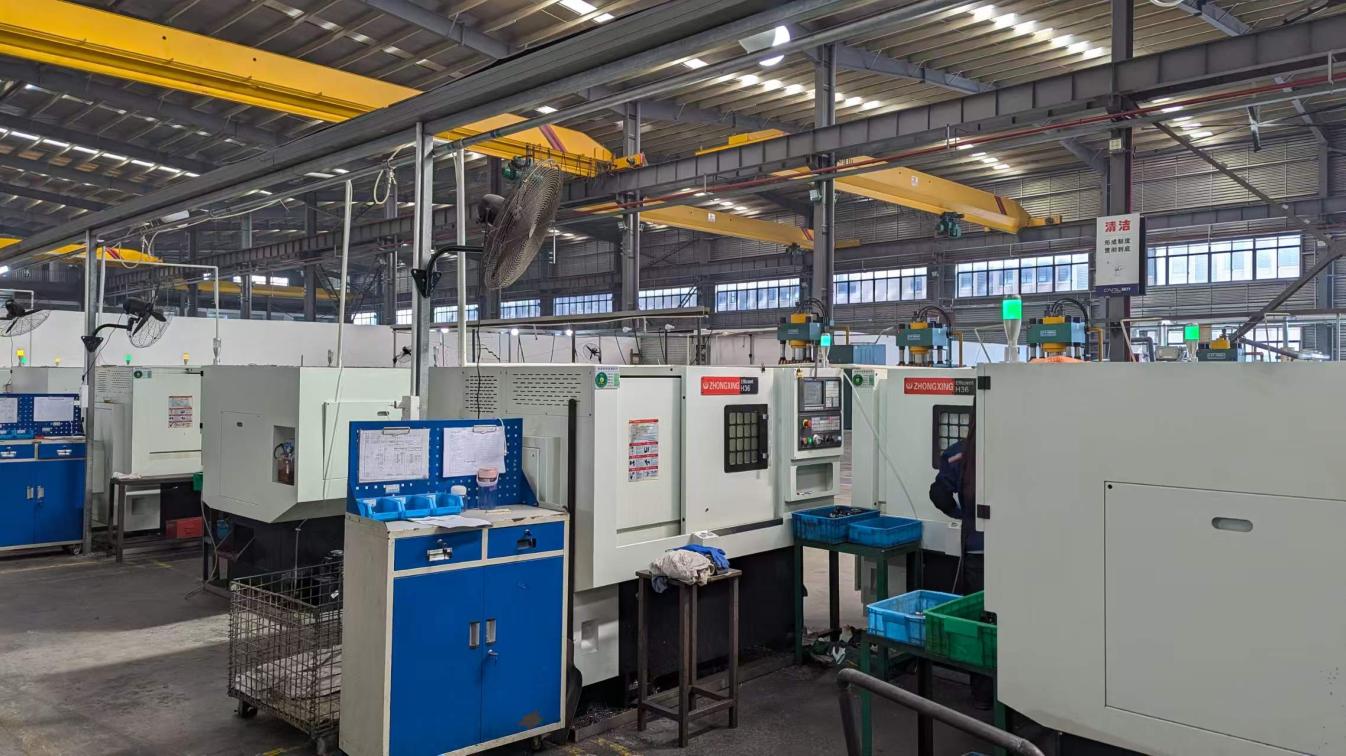
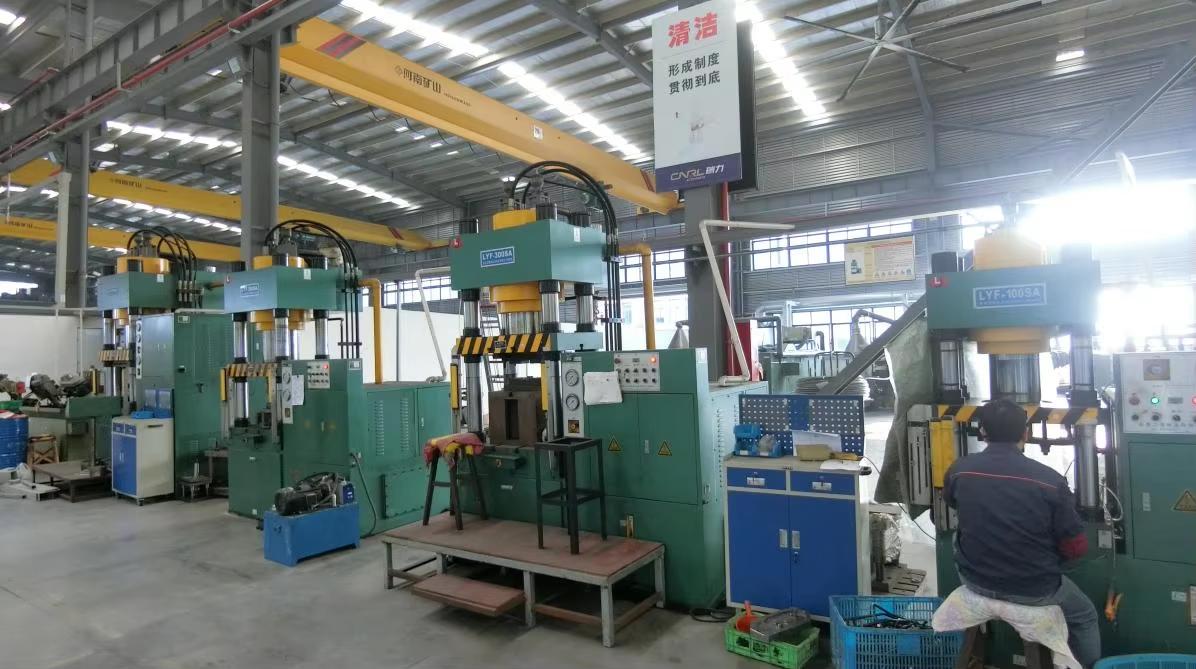
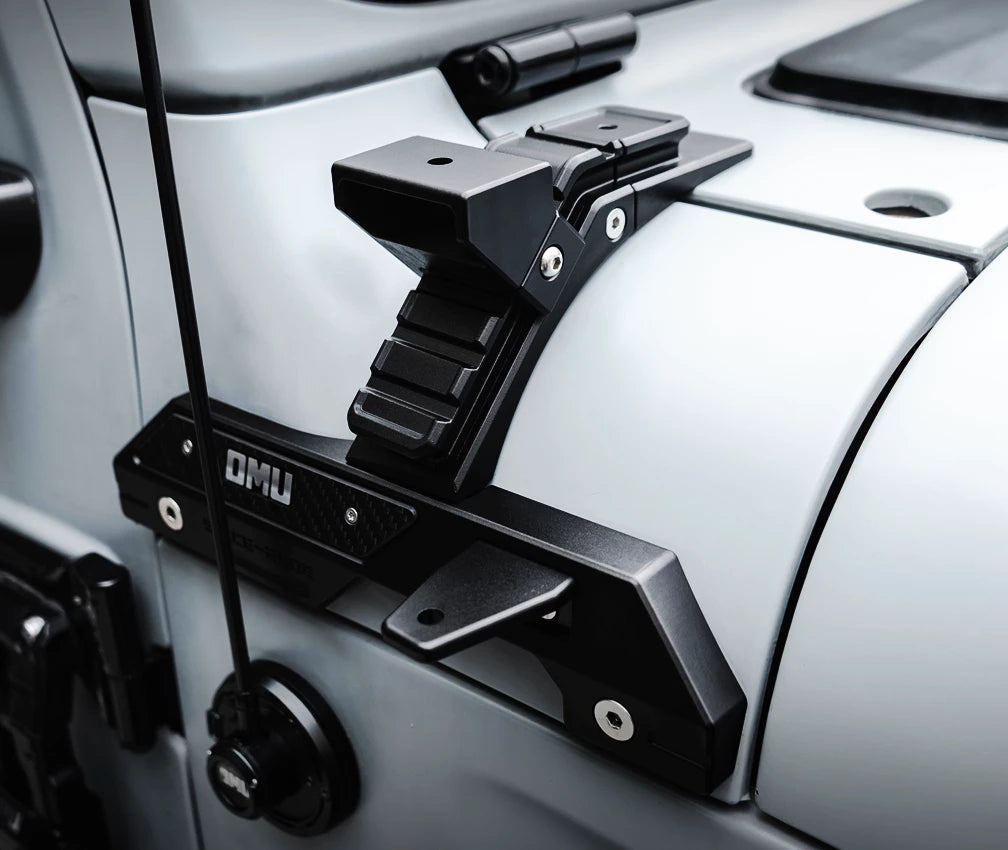
Achieving structural durability under extreme heat cycles through robust polymer and composite selection.
For premium hood vents and exterior styling packages, structural reliability under thermal load is critical. Poorly manufactured aftermarket parts can warp, crack, fade under UV exposure, or separate from the vehicle at high speeds. Hangzhou Macajor Auto Co., Ltd. addresses these challenges by choosing high-grade materials and utilizing advanced design validation processes:
Our injection-molded ABS components are formulated with specialized impact modifiers and UV inhibitors. This ensures excellent structural integrity, impact resistance during off-road excursions, and resistance to environmental stress cracking.
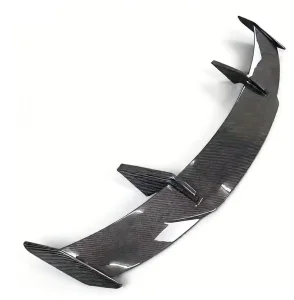
For high-end tuning applications (such as Lamborghini and BMW M Series), we utilize autoclave-cured dry carbon fiber. This material delivers an exceptional strength-to-weight ratio and is finished with a marine-grade UV-resistant clear coat to prevent yellowing.
Our R&D division utilizes advanced 3D scanning and computer-aided design (CAD) to match the curvature of the target vehicle's hood. This ensures precise, gap-free fitment that mirrors OEM specifications.
Tailoring exterior and cooling accessories to specific regional climates, vehicle designs, and consumer demands.
The operating environment of a vehicle dictates the exact performance requirements of its components. A hood vent or exterior accessory designed for a city vehicle in Western Europe faces vastly different challenges than one intended for an off-road truck in the Australian Outback or the American Southwest.
When driving over challenging terrain at low speeds, airflow from the front grille is often insufficient. High engine loads generate intense heat. Hood vents designed for these applications focus on maximizing passive heat extraction. They are engineered to prevent water ingress during water crossings while allowing hot air to escape.
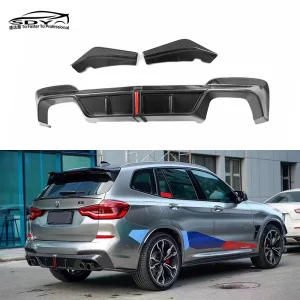
For track applications, aerodynamic drag and front-axle lift are major concerns. Our rear diffusers and hood vents work together to manage airflow. They vent high-pressure air out of the wheel wells and engine bay, keeping the nose of the car planted and improving high-speed stability.
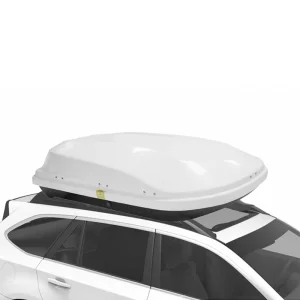
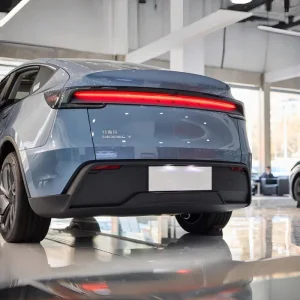
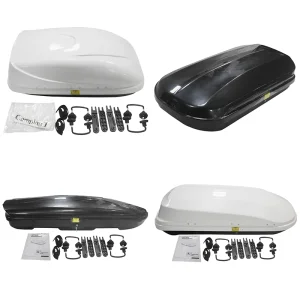
Modern SUVs and EVs benefit from sleek, drag-reducing exterior components. Products like roof cargo boxes, side steps, and spoilers are designed using computational fluid dynamics (CFD) to minimize wind noise and aerodynamic drag, helping preserve fuel economy and battery range.
Key quality assurance checkpoints and supply chain considerations when importing automotive body parts from China.
For international distributors and purchasing managers, securing a reliable manufacturing partner in China is key to maintaining healthy profit margins and brand equity. Below is a checklist for evaluating suppliers in the automotive aftermarket industry:
1. Tooling Precision and Quality Standards: Ensure the factory uses CNC machined steel molds rather than lower-quality aluminum or hand-laid fiberglass tooling. High-quality steel molds ensure long-term dimensional consistency over production runs of tens of thousands of units.
2. Material Certification & UV Testing: Request verification that raw polymer materials include UV-blocking additives. Components without UV protection can fade, chalk, or crack within months when exposed to intense sunlight in regions like Southern Europe, the Middle East, or Australia.
3. Logistics and Packaging Engineering: Large body kits, side steps, and roof boxes are vulnerable to damage during transit. Hangzhou Macajor Auto utilizes engineered packaging, including reinforced multi-layer cartons and custom-fit foam inserts, to minimize transit damage and optimize shipping container volume.
Find answers to common questions about material specifications, customization capabilities, and shipping processes.
Functional hood vents have openings that allow air to escape, helping to lower engine bay temperatures, reduce under-hood air pressure, and decrease high-speed front-end lift. Cosmetic vents are solid panels applied with adhesive tape, designed solely to enhance the vehicle's sporty appearance without modifying the hood structure.
We use high-resolution 3D laser scanners to map the contours of original vehicle panels. Our engineering team then designs the molds using advanced CAD software, validating the fitment with rapid-prototyped samples before starting mass production.
We use premium materials tailored to the application. For standard parts, we use high-grade ABS plastic for its durability and impact resistance. For our premium sport lines, we use genuine dry carbon fiber, cured in autoclaves to ensure it remains lightweight and structurally rigid.
Our raw materials are mixed with UV stabilizers before injection molding. Additionally, all painted components are finished with UV-resistant clear coats, which helps prevent yellowing, fading, and brittleness under direct sunlight.
For standard products, our production lead time is typically 25 to 35 days from receipt of the deposit. Custom OEM or ODM projects that require new mold development can take an additional 30 to 45 days for tool design and sample verification.
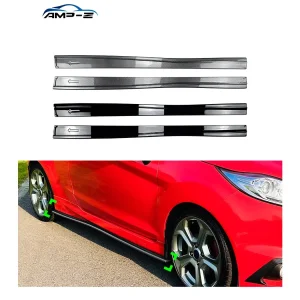
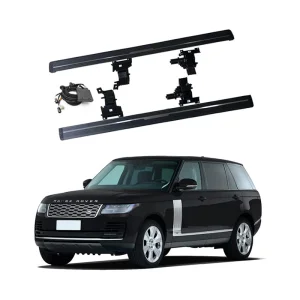
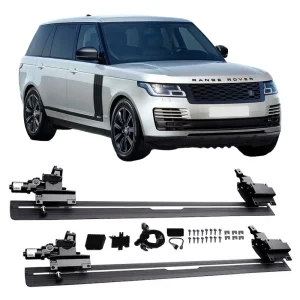
Yes, all of our vehicle-specific side steps, including automatic electric power running boards, are engineered to bolt directly to the factory mounting points. This makes installation straightforward and minimizes the need for drilling or welding.
We use heavy-duty, multi-layered corrugated cardboard boxes, reinforced with custom-cut polyethylene foam blocks and edge protectors. This prevents movement inside the box and protects the finish of the products during long-distance shipping.
Explore our wider range of vehicle upgrades, engineered to provide utility, protection, and modern styling for SUVs and pickup trucks.