Macajor Auto
Macajor Auto
Macajor Auto
In the contemporary automotive sector, Car Body Cladding has transitioned from a purely aesthetic feature to a critical component in vehicle aerodynamics, safety, and brand differentiation. As global markets pivot toward SUVs, Crossovers, and Electric Vehicles (EVs), the demand for high-durability, CE-certified cladding materials has surged. Tier 1 and Tier 2 automotive buyers are no longer just looking for "parts"; they are seeking strategic manufacturing partners capable of delivering Information Gain—insights into material science, weight reduction, and regulatory compliance.
The global car body cladding market is projected to reach billions by 2030, driven by the ruggedization of urban vehicles and the protection requirements for off-road enthusiasts.
Transition from standard ABS plastics to UV-stabilized polypropylenes and carbon-fiber reinforced polymers (CFRP) to ensure longevity under extreme environmental stress.
CE Certification is the benchmark for European and global market entry, ensuring that components meet rigorous safety, health, and environmental protection standards.
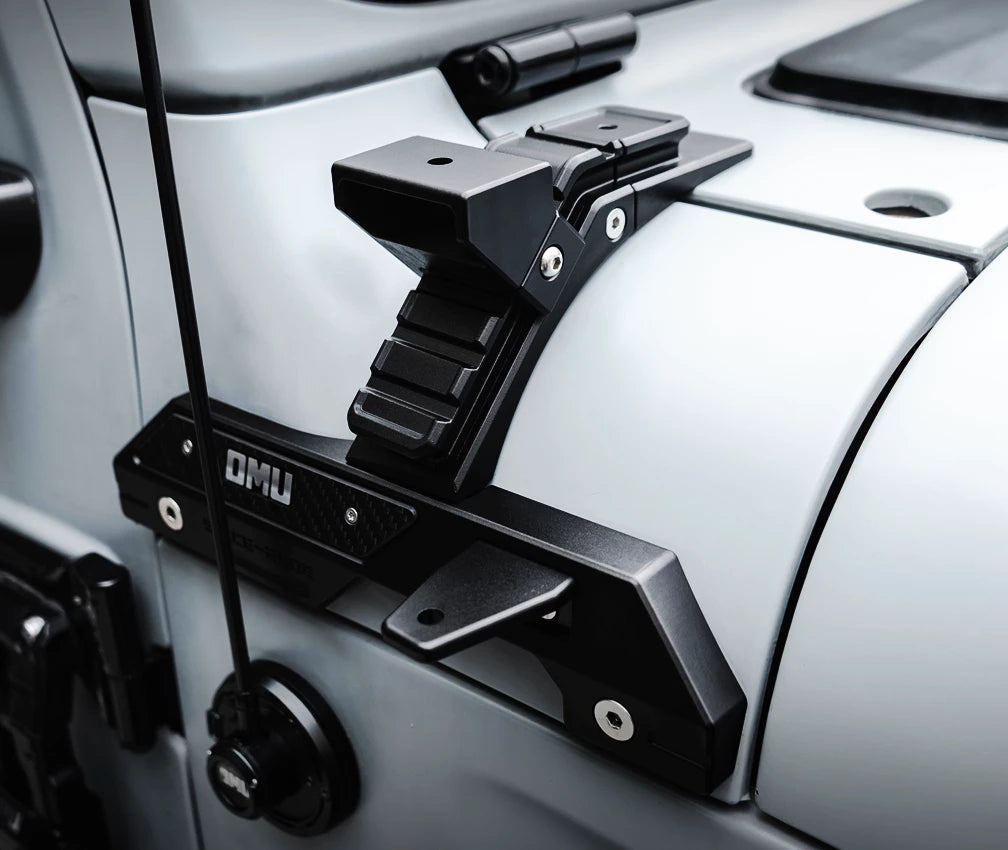
As a factory-direct manufacturer, Hangzhou Macajor Auto Co., Ltd. operates with a well-established production system and a reliable supply chain. Founded in 2008, we bring 18+ years of manufacturing experience to the global automotive aftermarket. Our core focus lies in SUV modifications, off-road equipment, and high-performance exterior cladding.
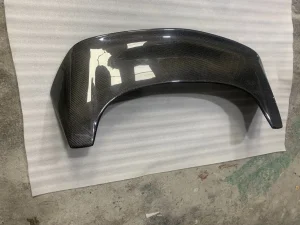
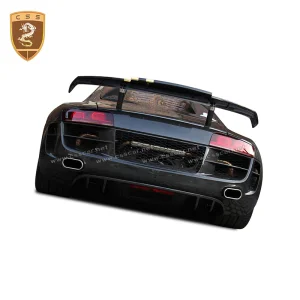
We serve a diverse portfolio of clients across North America, Europe, South America, Asia, and Oceania. Our commitment to E-E-A-T principles ensures that every product, from a carbon fiber wing to an aluminum running board, meets the highest industrial benchmarks.
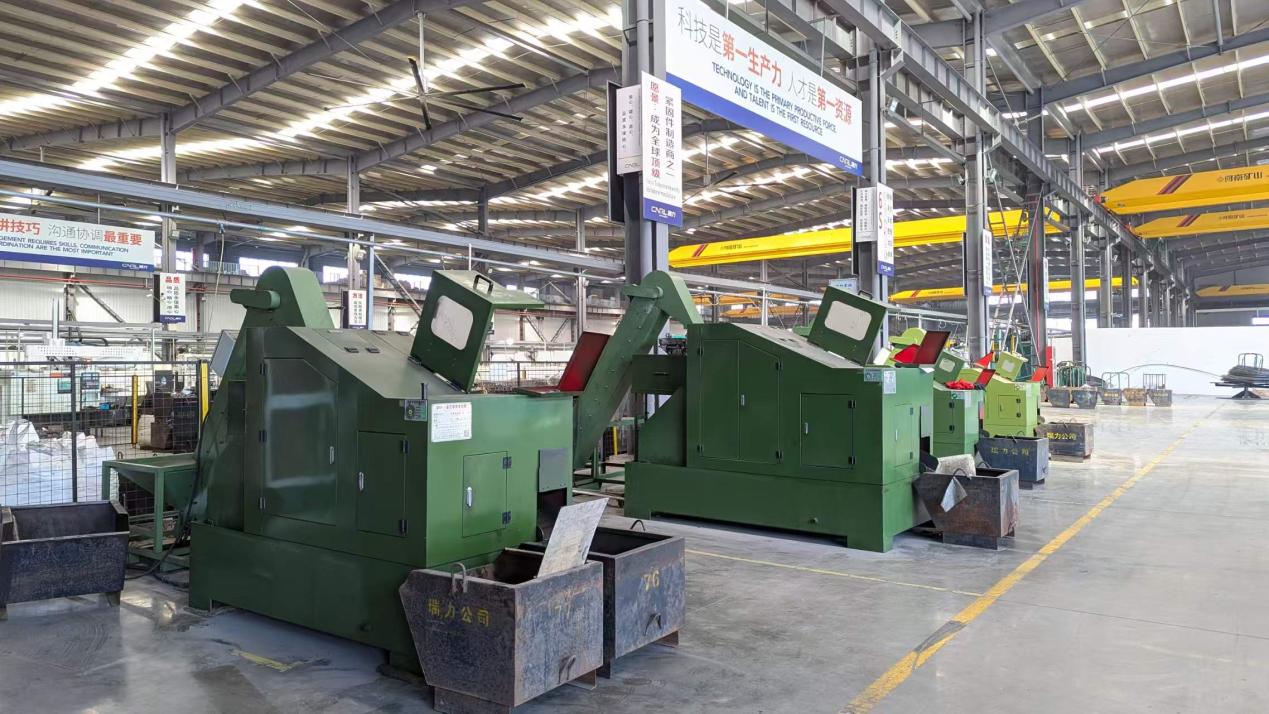
Our facility is equipped with state-of-the-art machinery to handle complex automotive engineering requirements. From cold heading to CNC machining, we control the entire lifecycle of production.
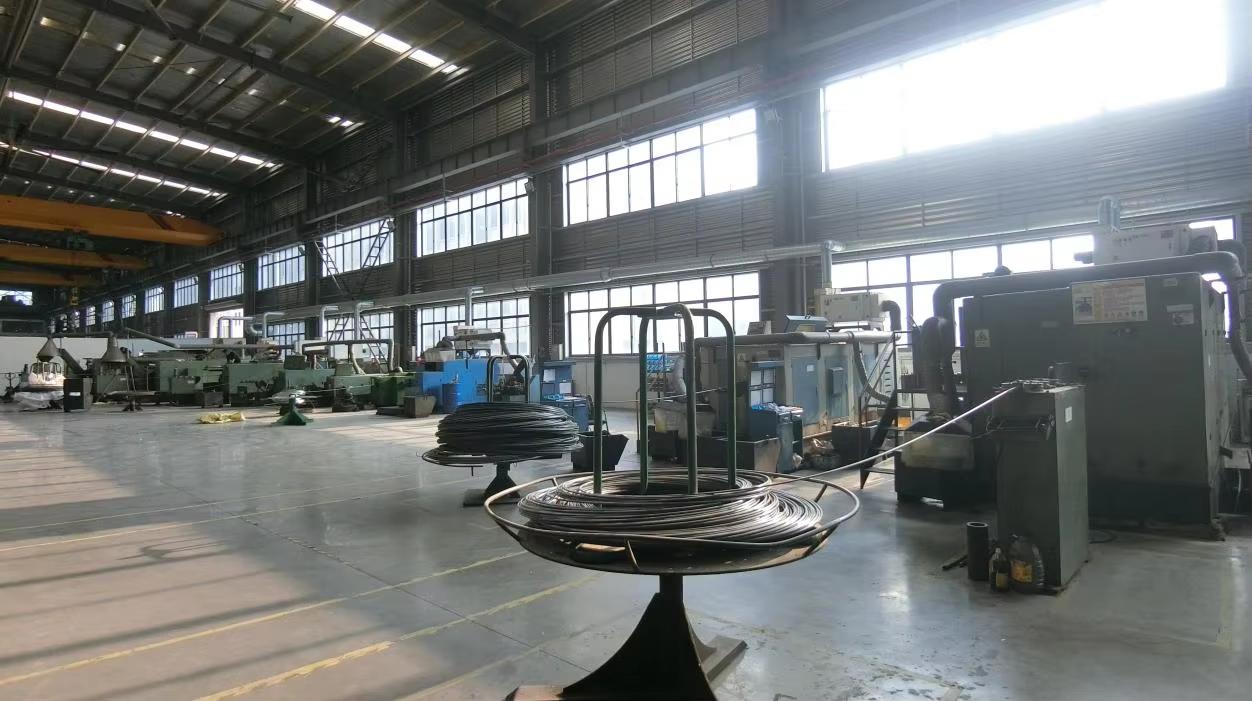
Cold Heading
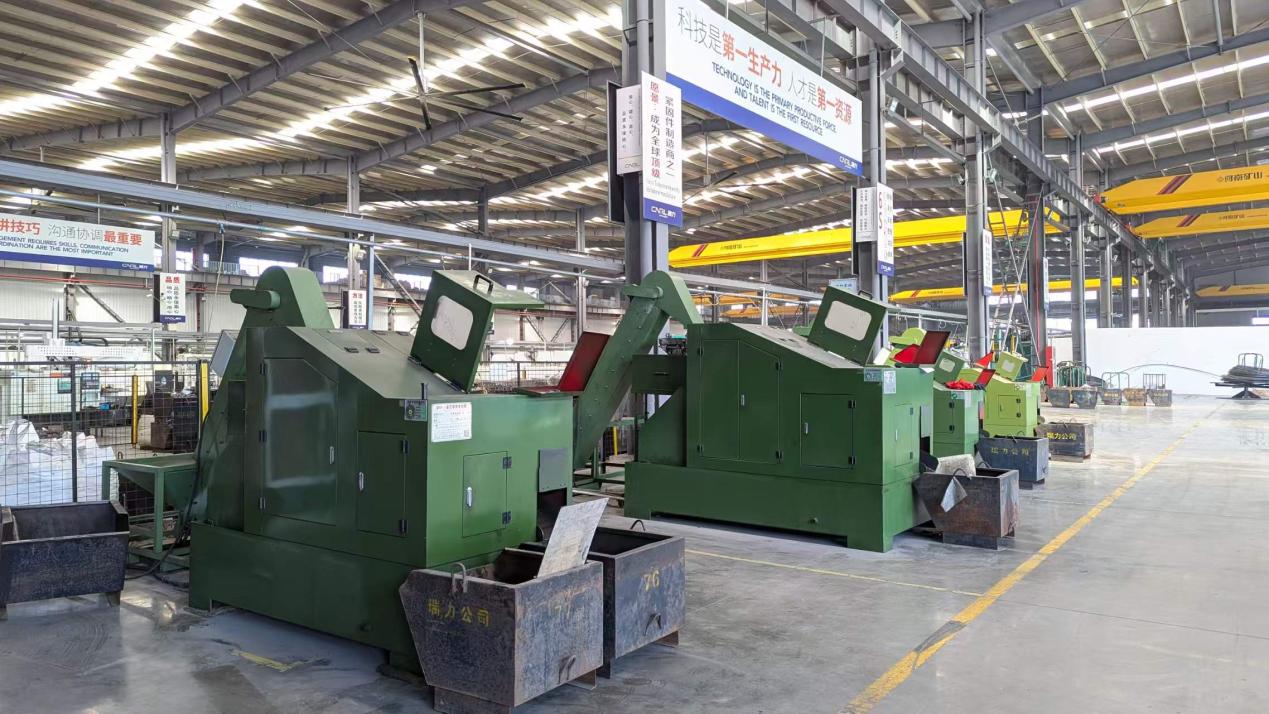
Rolling
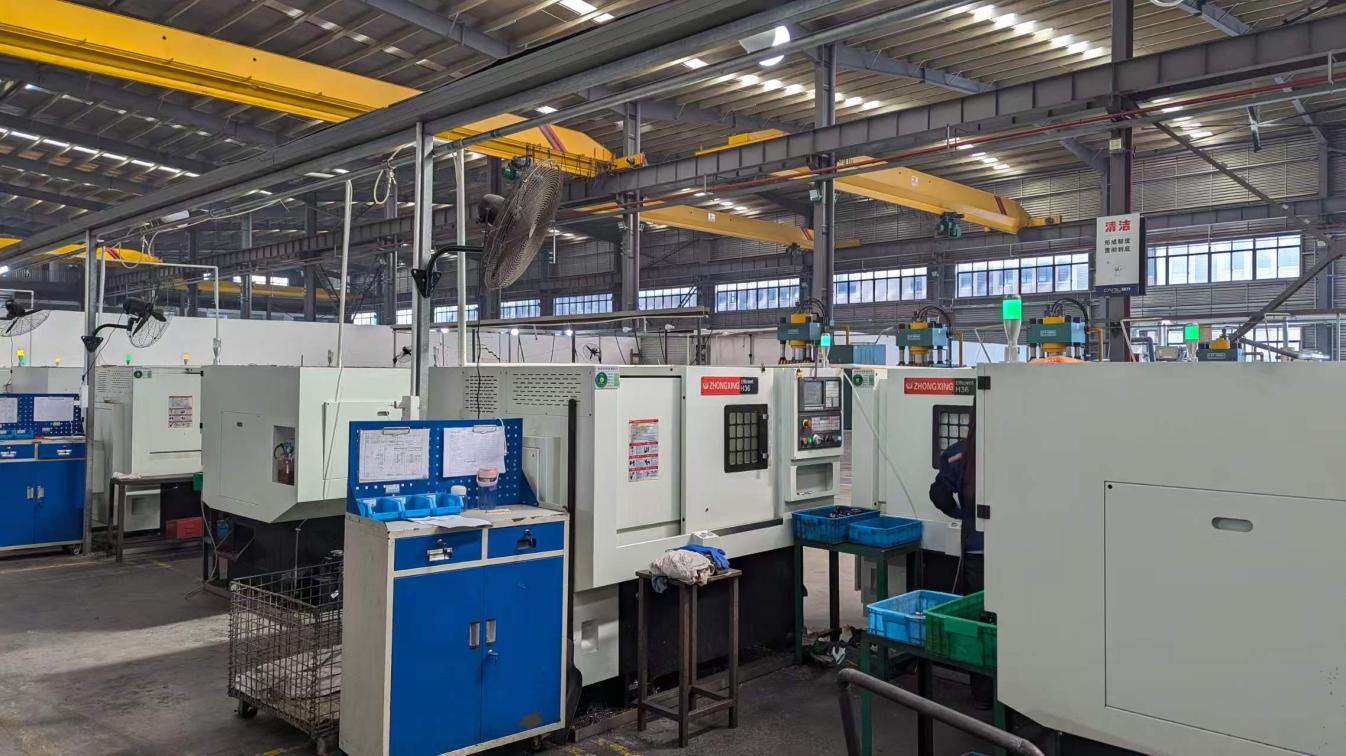
CNC Machining
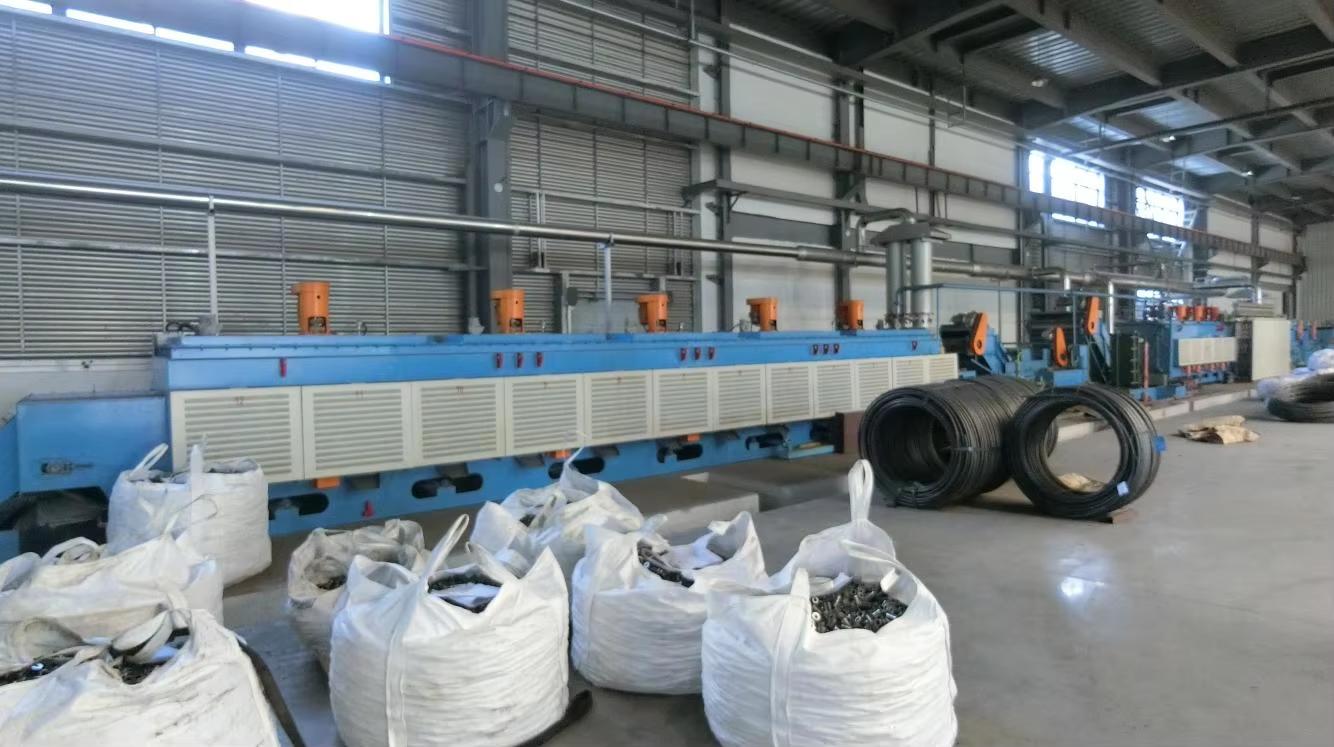
Heat Treatment
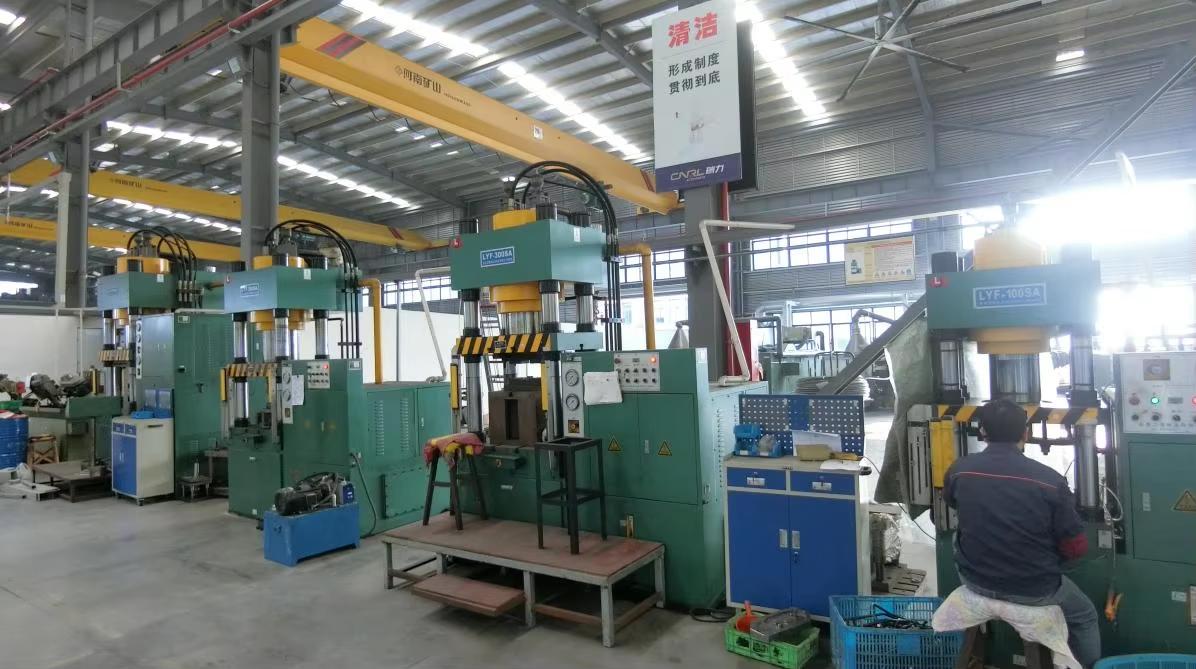
Hydraulic Machining
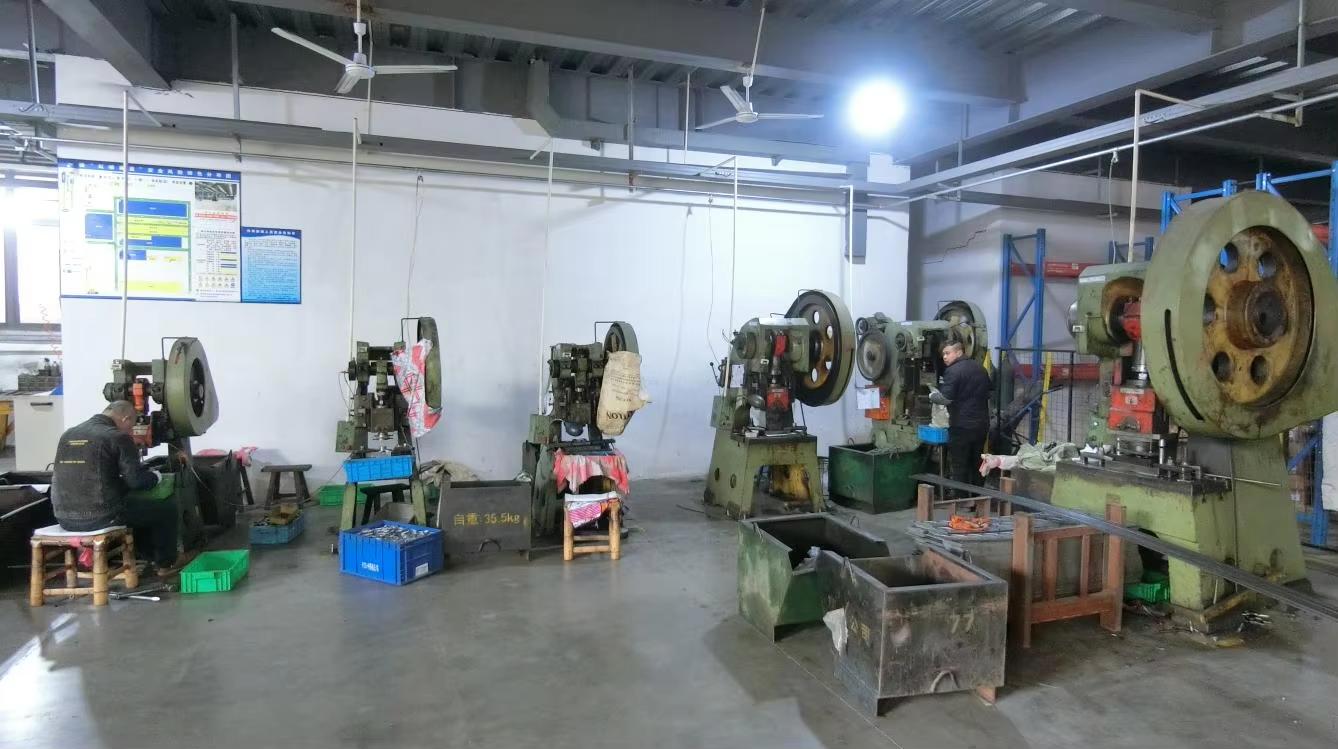
Punching
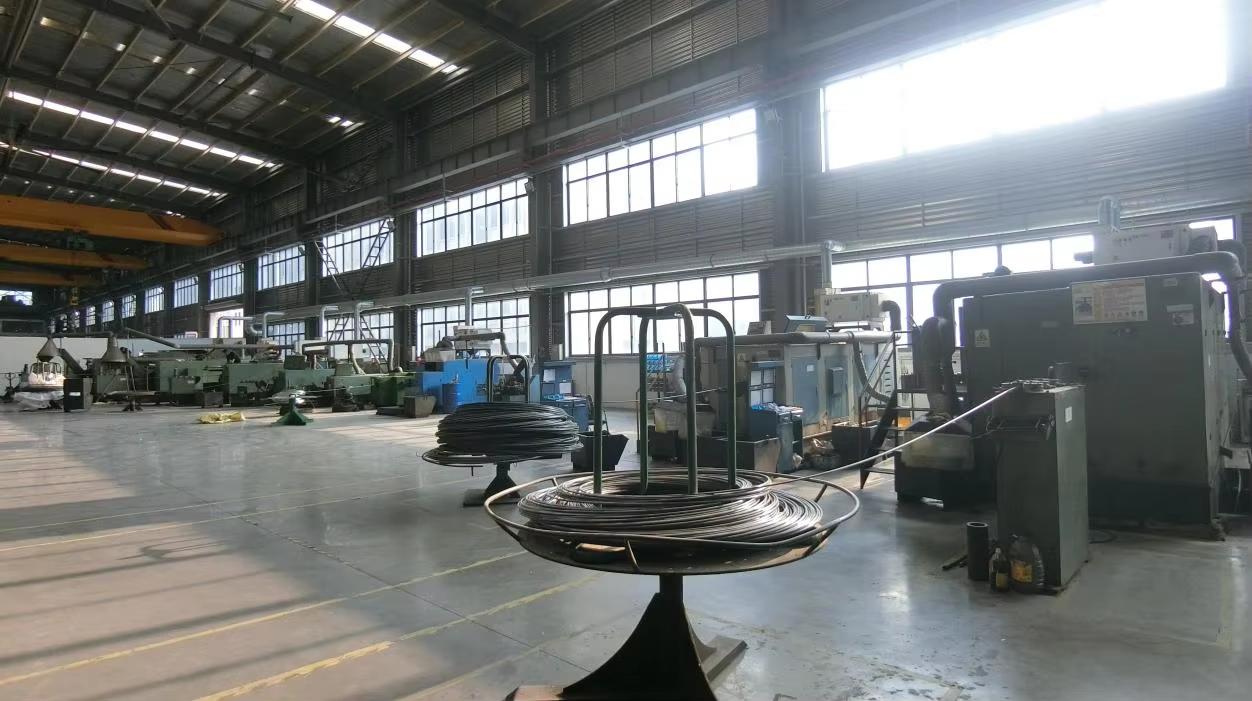
Cold Heading Machine
Thread Rolling Machine
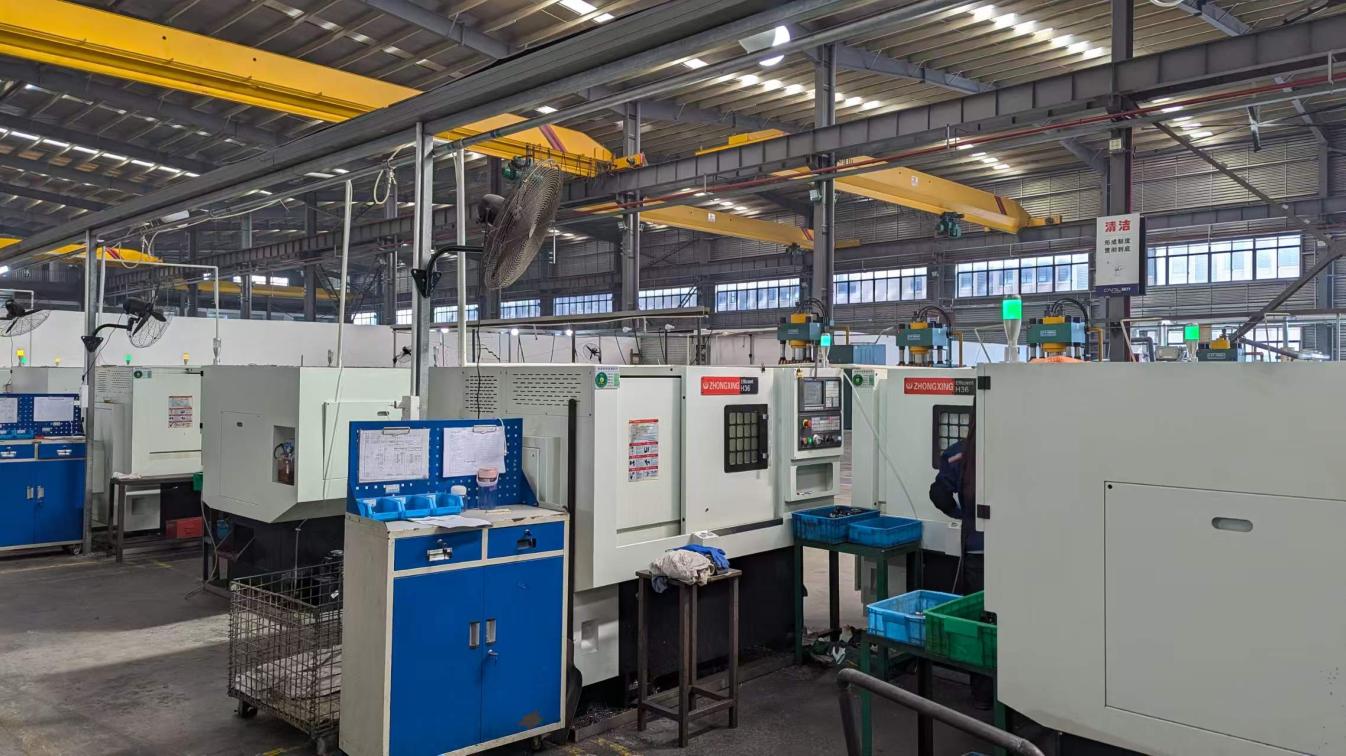
CNC Centers
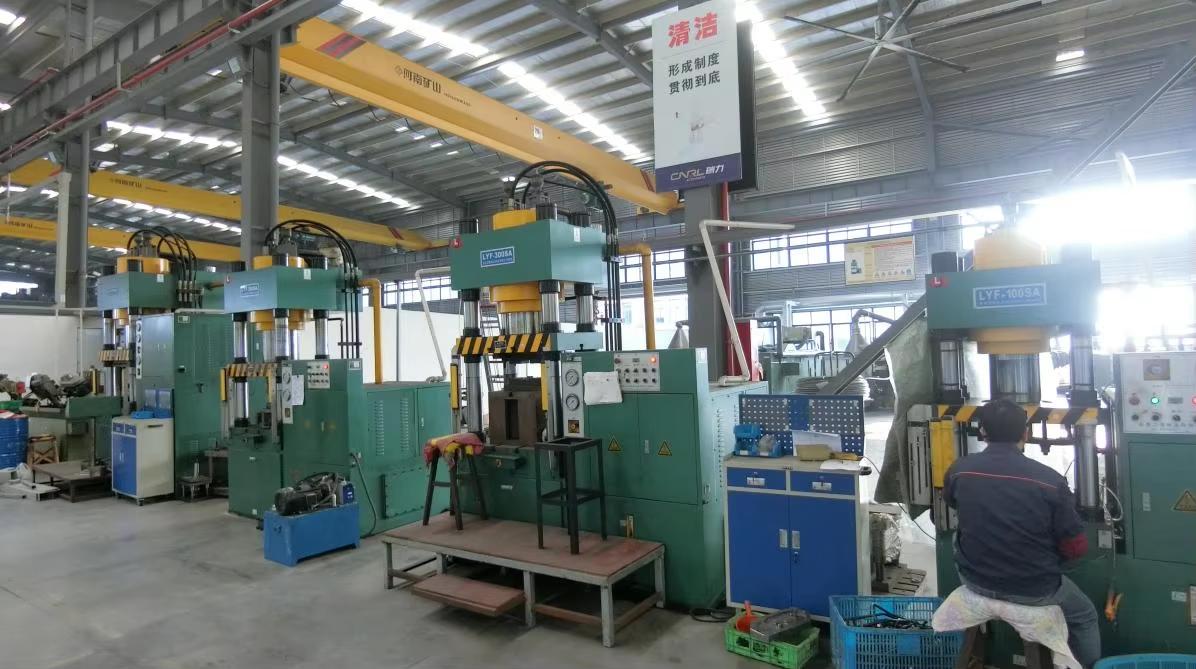
Hydraulic Press
In the car body cladding industry, speed-to-market is vital. China's automotive clusters, like Hangzhou, offer unparalleled access to raw materials and specialized tooling. This ecosystem allows Macajor Auto to move from conceptual sketches to physical prototypes in record time, offering Information Gain to clients regarding cost-saving assembly methods.
We utilize localized application scenarios to test our products. Whether it is the high-salinity coastal regions of Australia or the extreme heat of the Middle East, our cladding is engineered with specific UV-inhibitors and thermal expansion coefficients to prevent warping or fading.
For procurement managers at global automotive wholesalers, the search intent is rarely about a single part—it's about Reliability, Scalability, and Certification. Understanding the nuances of "Factory-Direct" vs "Trading Company" is crucial. Macajor Auto provides the transparency needed for high-stakes procurement.
We support private-label manufacturing, customized packaging, and logo branding. Our team works as an extension of your R&D department.
Strict QC at every stage—from raw material entry to final hydraulic press inspection. We don't just ship products; we ship trust.
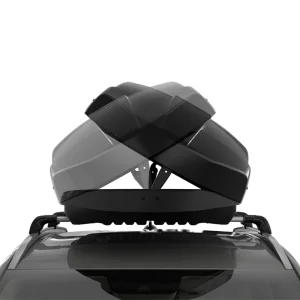
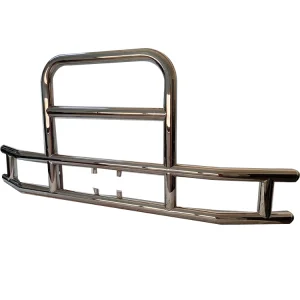
With expertise in international shipping regulations, we ensure that your cargo—from roof boxes to deer guards—arrives safely and on time.