Macajor Auto Macajor Auto

Why Do People Put Bull Bars on Trucks Top 10 Reasons?

Time:2026-11-10 Author:Liam
0%

Why do people put bull bars on trucks? The answer is rarely just about appearance. For some drivers, a bull bar offers a mounting point for accessories, a more confident look, or added protection during low-speed contact with brush and debris. For others, it suits regular work on rough tracks. But fitment matters. A heavy bar can affect handling, fuel use, sensors, and the way a vehicle’s safety systems perform.

As a fictional automotive safety specialist created for this introduction, Alex Morgan puts the guiding question this way: “Choose a bull bar for the job your truck actually does, not for the image it promises.” That distinction is easy to overlook. A truck that spends its days on paved streets may have different needs from one that crosses rocky trails or remote work sites. Even two similar-looking bars can differ in weight, materials, mounting design, and compatibility.

This guide explores the top ten reasons drivers consider bull bars, from accessory mounting to practical concerns about vehicle protection. It also looks at trade-offs, because no accessory is a perfect upgrade. A bar may add weight. It may complicate repairs. And it cannot guarantee protection in a collision. The details matter: check the vehicle maker’s guidance, the bar’s specifications, and how installation could affect sensors or other equipment. Sometimes the best reason is simply that a bar fits a genuine need. Sometimes, it doesn’t.
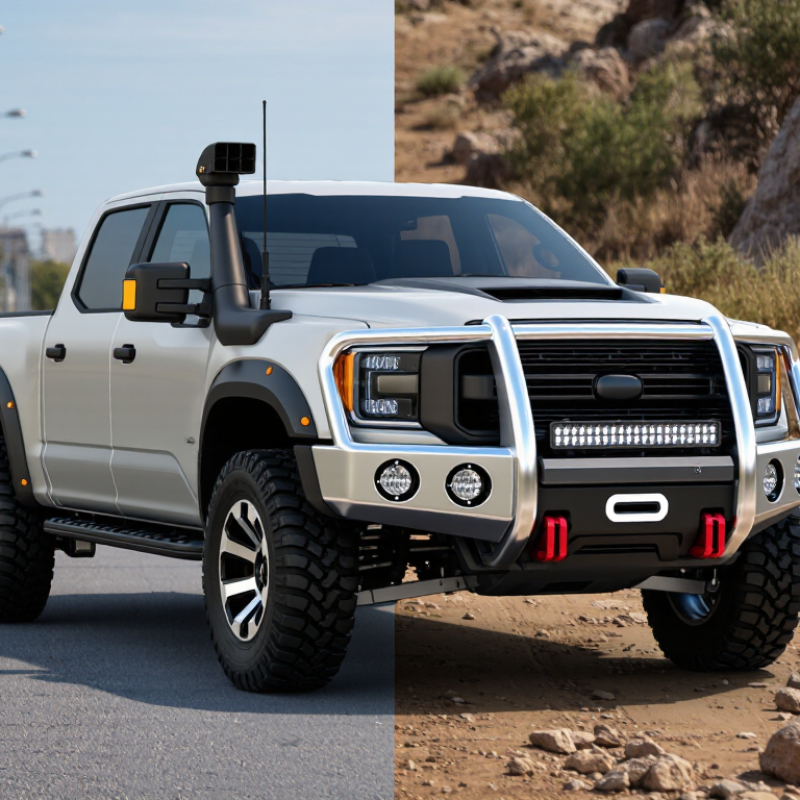
Why Do People Put Bull Bars on Trucks Top 10 Reasons?

What a Bull Bar Is and How It Is Designed

A bull bar is a rigid structure fitted across a truck’s front end. It usually uses steel, aluminium, or engineered polymer, with brackets connecting it to the vehicle frame. The shape may include a central hoop, side wings, and openings for lights or airflow. Some designs also provide mounting points for a winch or auxiliary lamps. Fit is crucial. A bar should match the vehicle’s sensors, airbags, and crumple zones; a poor fit can interfere with safety systems or add stress to mounting points.

The IIHS report “Pedestrian deaths: 2022” recorded 7,522 pedestrian deaths in the United States that year. This figure does not prove that every bull bar increases injury risk, but it highlights why front-end design deserves scrutiny. The Australasian New Car Assessment Program also evaluates vehicle protection in crash tests, making compatibility with the original front structure important. A bull bar may help shield bodywork from brush or minor impacts, yet it is not a guarantee against collision damage. The uncomfortable trade-off is easy to miss: added metal can protect a grille while making the front heavier and less forgiving. Even a neat installation can change how the truck meets an obstacle.

How Bull Bars Differ by Truck Type and Use

A bull bar should match the truck’s work, not just its silhouette. On a compact pickup used around town, a lighter, low-profile design may preserve visibility and reduce interference with parking sensors. A work truck carrying a winch needs a mount rated for that load and attached to suitable structural points. For trucks on remote gravel roads, broader protection may help with brush or minor impacts, but it adds weight. Fit matters. Check sensor locations, airflow, lighting, and service access before choosing. The details are easy to overlook.

Truck type changes the trade-offs. Fleet vehicles often benefit from simple, replaceable bars that allow quick access to the grille and components. Heavy-duty models may need stronger mounting, while daily-use pickups may be better served by a modest setup. NHTSA’s 2022 Traffic Safety Facts: Pedestrians recorded 7,522 pedestrian deaths in the United States. Separately, IIHS research found vehicles with hood heights of 40 inches or more were 45 percent more likely to cause pedestrian fatalities than vehicles with hood heights of 30 inches or less. Those findings do not isolate bull bars, so they should not be treated as proof about any specific bar. Still, a tall, rigid front end deserves careful thought. Real use is messier. A bar that suits a rural work truck may be unnecessary weight on a city pickup.

Why Do People Put Bull Bars on Trucks? Top 10 Reasons

Typical reasons vary by truck use. Ratings are a qualitative comparison, not survey results or measured safety benefits.

Bull bars are vehicle-specific accessories. Fit, airbag compatibility, legal requirements, and suitability for a particular use depend on the truck and local regulations. A bull bar does not guarantee protection in a collision.

Top 10 Reasons Truck Owners Install Bull Bars

Truck owners install bull bars for a mix of practical and personal reasons. The ten common motives are: (1) deflecting light brush on rural tracks; (2) reducing scratches from small debris; (3) adding limited protection in minor animal contact; (4) shielding parts of the front bumper during low-speed bumps; (5) providing a suitable winch mount; (6) adding rated recovery points; (7) mounting auxiliary lights; (8) protecting the lower front end on rough approaches; (9) creating a tougher appearance; and (10) feeling more prepared on remote trips. The protection has limits. A bull bar cannot make a truck collision-proof, and extra weight may affect handling and braking.

Fit matters. A poorly matched bar can block sensors, lights, or airflow, and some designs may affect how airbags respond. Check compatibility with the truck’s safety systems, and have a qualified installer confirm mounting points and recovery ratings. Owners should also consider added weight, clearance, and maintenance. A bar can be useful, but it is not automatically the right choice for every truck.

Tips: Choose a bar designed for your vehicle, inspect its fasteners regularly, and never use decorative mounts as recovery points.

Safety, Performance, and Practical Trade-Offs

A bull bar can protect a grille or headlights from brush and minor, low-speed knocks on rough tracks. It may also offer a rated mounting point for compatible equipment. Useful, sometimes. But added steel sits ahead of the front axle, increasing its load and potentially affecting handling or suspension wear. A rigid bar may also interfere with sensors or change how crash forces reach the vehicle frame. Protection has limits.

People nearby matter, too. NHTSA’s 2022 Traffic Safety Facts report recorded 7,522 pedestrian deaths in the United States. That figure does not show that bull bars cause injuries. It does underline the stakes when a vehicle’s front end strikes a person. A rigid, protruding accessory may change impact behavior, so it should not be treated as pedestrian protection. Check sensor compatibility, axle limits, and the vehicle maker’s approved mounting points before choosing one.

Tips: Match the bar’s weight and design to your truck and typical driving conditions. Ask a qualified installer to check sensor operation and mounting. After installation, test cameras and parking alerts in a safe, open area; a warning light is easy to miss.

Legal and Fitment Factors to Check Before Installation

Before fitting a bull bar, check local vehicle-modification rules, bumper-height limits, lighting requirements, and inspection rules. Requirements vary by location and vehicle class. In the United States, federal law prohibits modifications that make required safety equipment inoperative; state rules may add further conditions. Keep documentation for the bar’s vehicle-specific fitment and installation. Small details matter. A bracket that contacts the bumper incorrectly can affect crash performance, while a bar may obscure lights or number plates.

Check sensors before buying. Radar units, parking sensors, cameras, and airbag systems can be affected by bar position or material. NHTSA’s 2024 automatic emergency braking rule sets future performance requirements for new passenger vehicles, making sensor compatibility an increasingly practical fitment issue. Ask a qualified installer to confirm clearance and calibration needs against the vehicle manual. IIHS research found that vehicles with tall, blunt front ends were associated with a 45% higher risk of pedestrian death in a crash than vehicles with lower, sloped fronts. That finding does not measure bull bars specifically, but it is a reason to consider front-end geometry carefully. Even a tidy installation can be the wrong fit. Recheck after fitting.

FAQS

Why do truck owners install bull bars?

They may deflect light brush, reduce minor scratches, and protect parts of the front bumper. Some owners also like the tougher appearance.

Can a bull bar prevent collision damage?

No. It may help during minor contact, but it cannot make a truck collision-proof. That limit is easy to forget.

Can a bull bar hold a winch or recovery gear?

Some vehicle-specific bars include rated winch mounts or recovery points. Check their ratings, and never use decorative mounts for recovery.

Could a bull bar affect sensors or airbags?

Yes. Its position may interfere with radar, parking sensors, cameras, lights, or airflow. Ask a qualified installer to check compatibility and calibration.

What should I check before choosing one?

Confirm it is designed for your truck. Check clearance, mounting points, added weight, and local vehicle requirements.

How can extra weight change truck handling?

Added front-end weight may affect braking and handling. A small difference can feel noticeable on a tight turn.

Does a bull bar need regular inspection?

Yes. Inspect fasteners and mounts regularly, especially after rough trips. Recheck the fit after installation.

Can a bull bar affect pedestrian safety?

Front-end shape matters. Research linked tall, blunt vehicle fronts with higher pedestrian risk, though that finding did not specifically measure bull bars.

Conclusion

This article explains what a bull bar is, how its structure is designed, and why its shape and mounting can vary according to a truck’s size and intended use. It answers the question “why do people put bull bars on trucks” by exploring ten common motivations, such as adding a protective barrier, supporting certain accessories, and giving a vehicle a more rugged appearance. The reasons are practical for some owners and primarily aesthetic for others, so a bull bar’s value depends on how the truck is used.

The article also considers trade-offs, including added weight, possible effects on vehicle performance, and the fact that a bull bar does not guarantee protection in every collision. Before installation, owners should check that the bar is compatible with their truck, does not obstruct important sensors or lights, and meets applicable vehicle-safety and local requirements. Careful selection and professional fitting can help ensure the accessory suits the vehicle and its intended use.

Liam

Liam

Liam is a dedicated marketing professional with a profound expertise in the industry, where he excels at highlighting the unique advantages of our core products. With a keen understanding of market trends and consumer needs, Liam frequently updates our company’s professional blog, providing......