Macajor Auto
A car roof rack is a helpful tool for transporting gear. However, many drivers experience an annoying issue: whistling noises. If you find yourself asking, "why is my car roof rack whistling?", you’re not alone. This common problem can be both distracting and perplexing.
Understanding the reasons behind this whistling sound is essential. Various factors contribute to the noise, such as airflow, rack placement, or even the type of accessories you are using. Sporting equipment, luggage, or even non-aerodynamic racks can cause turbulence. Sometimes, the noise might seem minor, but it can indicate that your rack needs adjustments or maintenance.
Ignoring these sounds could lead to more significant issues down the road. Regular checks can prevent further frustrations. Exploring the top reasons for roof rack whistling helps improve your driving experience. Whether you're on a road trip or daily commute, find the source of the whistling for a quieter ride.
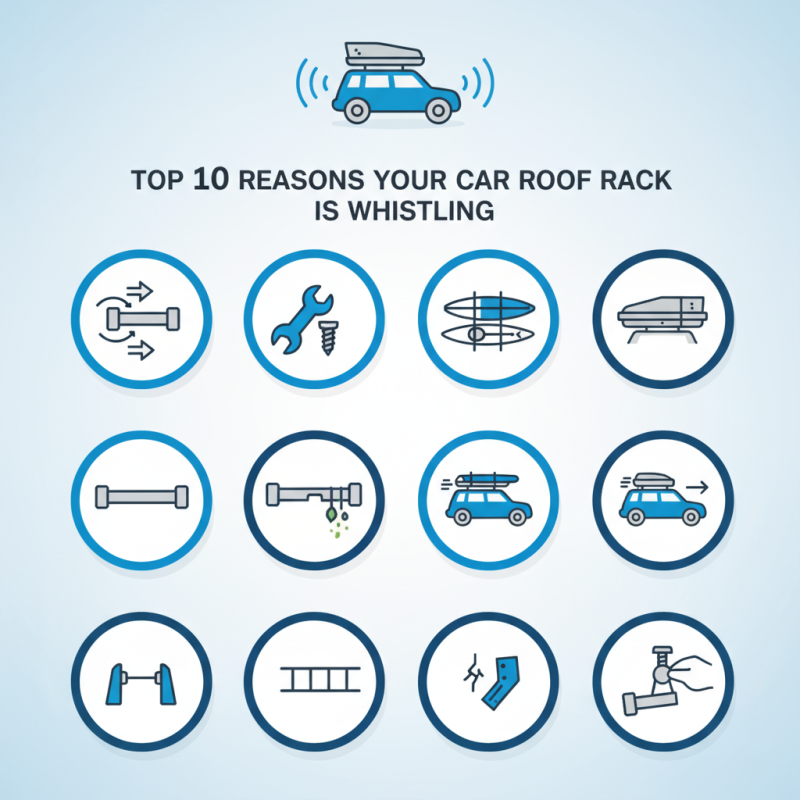
One common issue with car roof racks is the whistling noise they produce. This sound can be surprisingly annoying, especially during long drives. The primary cause often relates to wind passing through the gaps between the rack and the roof. If your rack is not properly secured or has shifting components, it can become a source of vibrations and noise.
Another contributing factor could be the design of the roof rack itself. Some racks are not aerodynamically shaped. This poor design can lead to increased turbulence and, consequently, more whistling sounds. Loose parts may exacerbate the problem, creating a rattle that accompanies the whistle. Regular checks are essential to ensure everything fits snugly and securely.
Additionally, the type of accessories attached can influence noise levels. Items like bike carriers or cargo boxes can disrupt airflow. If accessories cause additional drag, they may heighten the noise. Reflecting on these aspects can help you identify potential issues and maintain a quieter journey.
When your car roof rack whistles, it often indicates issues related to aerodynamics. A roof rack disrupts the vehicle’s airflow, creating turbulence. According to a report by the National Highway Traffic Safety Administration (NHTSA), proper aerodynamic design can reduce drag by up to 25%. This reduction leads to less wind noise and improved fuel efficiency. Understanding how air moves around your vehicle helps address these concerns.
Many users experience whistling at different speeds. As you drive faster, the intensity of the noise usually increases. Research indicates that wind noise is most pronounced at speeds above 40 mph. The shape and position of your roof rack play critical roles in how air flows over it. Improperly mounted racks can significantly amplify this noise. Adjustments like tilting or repositioning racks may improve the situation, but these fixes are not always straightforward.
Sometimes, roof rack noise can be caused by other factors, such as loose parts or incompatible accessories. These elements can exacerbate aerodynamic issues. While some find temporary solutions, a long-term fix often requires a deeper understanding of aerodynamics. Options like fairings, which redirect airflow, can help. However, they can also introduce new challenges. Proper evaluation and reflection on your specific setup are key to reducing that pesky whistling noise.
Roof racks are essential for those needing extra storage, but they can produce unwanted whistling sounds. A significant factor contributing to these noises is the design of the roof rack itself. According to the Automotive Engineering Society, an aerodynamic roof rack design can reduce wind resistance and limit whistling. However, not all racks achieve this. Materials and shape are crucial.
A study by the International Transport Research Journal indicates that a poorly designed roof rack can generate noise levels exceeding 70 decibels. That’s similar to a vacuum cleaner operating in your vehicle. Factors such as gaps between the rack and roof can amplify this issue. The design must ensure a snug fit to minimize turbulence.
Wind tunnel testing is a valuable tool to assess rack performance. Many manufacturers, however, do not invest in this testing phase thoroughly. As a result, various designs continue to flood the market with inadequate solutions. Reflecting on the importance of design efficiency could lead to quieter and more user-friendly roof racks.
Roof racks can produce a whistling noise, particularly due to wind dynamics. The interaction of wind speed and direction significantly influences this unwelcome sound. Data from the Society of Automotive Engineers indicates that air flowing over roof racks can reach speeds of over 50 mph in some scenarios. This speed can cause turbulent airflow, generating noise.
One key factor to consider is the angle of your roof rack. A tilted rack can disrupt the airflow, leading to increased whistling. Studies reveal that a cleaner, more aerodynamic structure can reduce noise levels by up to 30%. Ensure your roof rack is installed correctly and check its alignment regularly to prevent unwanted sounds.
Tip: Examine the roof rack regularly for any loose components. Tightening these parts can significantly decrease noise levels. Additionally, consider using foam tape or wind deflectors to enhance aerodynamics.
Even small modifications can make a difference. Keep an eye on wind conditions, as stronger winds exacerbate noise issues. For frequent travelers, this awareness can lead to quieter journeys. Remember, sometimes even well-designed racks may whistle; thus, reflective adjustments could enhance your overall experience.
If your car roof rack is whistling, you're not alone. This common issue can be quite irritating. It usually happens due to wind resistance. As air flows over the rack, it creates a unique sound. Understanding the cause can lead to a solution.
One way to reduce whistling noises is to ensure proper installation. Check if the rack is securely mounted. Loose parts can vibrate and amplify the noise. Consider using rubber strips or wind deflectors. These modifications can help smooth airflow over the rack. Regular maintenance is crucial as well. Inspect for any wear or damage that may contribute to the problem.
Sometimes, even aesthetics can affect sound. A bulky or mismatched rack can disrupt airflow. Replace or adjust your roof rack if necessary. It's essential to consider practicality while enhancing your vehicle's style. Addressing these issues early can maintain your comfort on the road. Remember, quiet driving is often a sign of a well-maintained vehicle.
: Whistling sounds arise from the roof rack design and wind interactions, creating turbulence and noise.
Aerodynamic designs help reduce wind resistance, while poorly designed racks can generate noise over 70 decibels.
Gaps between the rack and the roof can amplify noise, as well as the angle of the rack itself.
Wind tunnel testing is ideal, though many manufacturers skip thorough evaluations, impacting design quality.
Regularly check for loose components and tighten them. Use foam tape or wind deflectors to improve aerodynamics.
Yes, stronger winds can exacerbate whistling sounds, making it important to monitor these conditions.
Adjusting the rack alignment and ensuring a snug fit can significantly decrease whistling levels.
Yes, sometimes even the best racks may whistle a bit, highlighting the need for reflective adjustments.
If you've ever wondered "why is my car roof rack whistling," you're not alone. This article explores the top causes of noise from car roof racks, which often stem from factors such as aerodynamic design, wind speed, and the specific features of the roof rack itself. Understanding the impact of aerodynamics can help drivers better comprehend how wind interacts with their car's roof rack, potentially creating whistling sounds while in motion.
Moreover, the design of the roof rack plays a crucial role in the production of these noises. Certain shapes and angles can exacerbate whistling, especially at higher speeds or in particular wind directions. The article also provides practical tips for reducing these annoying sounds, ensuring a more pleasant driving experience. By addressing these elements, drivers can mitigate the whistling noise and enjoy a quieter journey.
