Macajor Auto Macajor Auto

Why Do People Install Bull Bars on Trucks for Protection?

Time:2026-06-16 Author:Liam
0%

Bull bars have become a popular accessory for truck owners. Many individuals wonder why do people put bull bars on trucks. These protective devices serve multiple purposes. Primarily, they are designed to shield vehicles from potential collisions. Bull bars can absorb impact and protect fragile components. Such features appeal to truck enthusiasts and everyday drivers alike.

However, the practicality of bull bars can vary. Some users feel safer with this added protection. For others, it may seem unnecessary. Critics argue that bull bars might pose risks to pedestrians. They also question their effectiveness in severe accidents. Despite this, many drivers remain convinced of their benefits.

When it comes to durability, truck owners value strong materials. Bull bars are often crafted from resilient steel or aluminum. This construction allows for both protection and style. The aesthetic appeal is another factor influencing their installation. Many drivers appreciate the rugged look they provide. In essence, the decision to install a bull bar combines safety concerns and personal preferences.
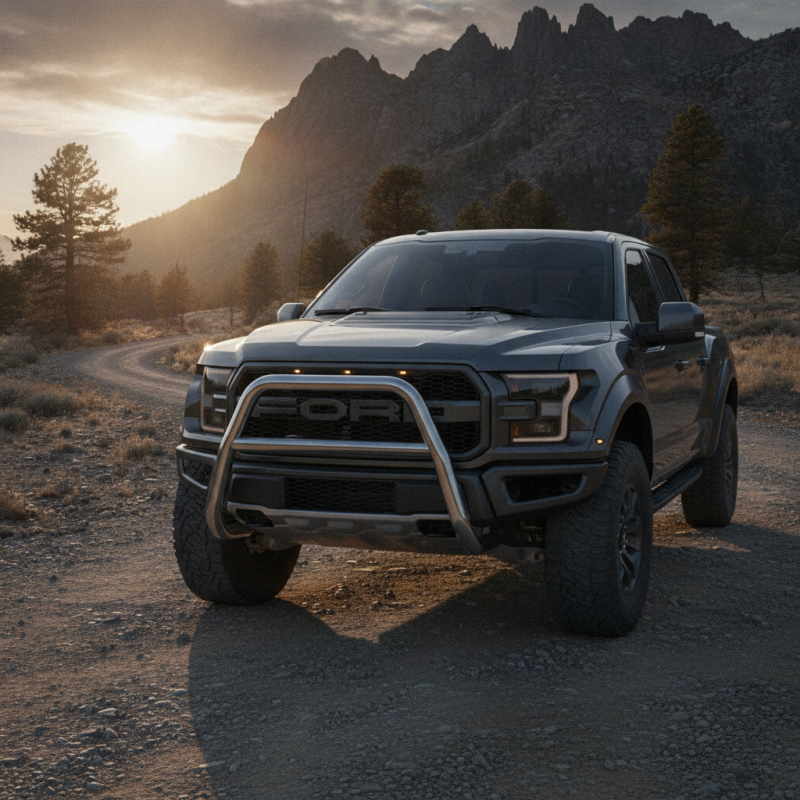
Why Do People Install Bull Bars on Trucks for Protection?

Definition and Purpose of Bull Bars in Trucks

Bull bars are designed as protective accessories for trucks, aimed to absorb impact in off-road situations. They offer a sturdy barrier against wildlife and obstacles. The construction often includes heavy-duty steel or aluminum, ensuring durability. According to the Specialty Equipment Market Association, the bull bar market has seen a rise in demand, with off-road vehicle owners increasingly seeking ways to enhance their vehicle's robustness.

The primary purpose of bull bars is safety. Research shows that vehicles with bull bars experience fewer front-end damages. In a study by the Insurance Institute for Highway Safety, trucks equipped with bull bars faced 30% less damage in collisions with animals. Additionally, these protective devices can provide better protection during low-speed accidents. However, there are concerns about the potential risks they pose to pedestrians in urban settings.

Customization is another factor driving their popularity. Many users appreciate how bull bars can enhance the vehicle's aesthetics. Yet, this can draw scrutiny regarding their practicality. The debate continues on whether bull bars effectively offer protection while remaining safe for all road users. Balancing aesthetics and functionality is crucial, but not always straightforward. This reflects the ongoing conversation in the automotive community regarding vehicle modifications and roadway safety.

Benefits of Installing Bull Bars for Vehicle Protection

Bull bars have become a popular accessory for trucks, providing a robust layer of protection. Their primary purpose is to shield the vehicle’s front end from potential collisions with wildlife or other vehicles. This added defense can minimize damage and decrease repair costs after an accident. Many truck owners appreciate the peace of mind that comes with enhanced safety.

Beyond protection, bull bars can enhance the aesthetic appeal of a truck. They give a rugged look, making vehicles appear more formidable on the road. Additionally, bull bars can serve as mounts for lights or other accessories, adding functionality. This versatility is a big draw for enthusiasts who want their vehicles to stand out.

Tips: When installing bull bars, ensure you check local regulations regarding modifications. Installation should prioritize securing additional accessories. Regularly inspect the bull bars for wear and tear. This simple maintenance can prevent issues while you’re on the road.

Common Materials Used in Bull Bar Construction

Bull bars are a popular enhancement for trucks, providing an extra layer of protection against potential collisions. The materials used in their construction significantly influence performance and durability. Common options include stainless steel, aluminum, and polymer composites. Stainless steel offers strength and resistance to rust, making it a long-term choice. Aluminum, while lighter, provides excellent corrosion resistance and is easier to handle during installation. Polymer composites have become popular for their lightweight nature and affordability.

When considering a bull bar, think about the material's weight. Heavier bars can affect fuel efficiency. A lighter alternative might be better for daily drivers. Ensure that the material you choose aligns with your driving habits and conditions.

Keep in mind that bull bars can have drawbacks. Some designs might obstruct sensors or affect airbag deployment. Proper research and careful selection are crucial. Always consult with professionals for installation advice to avoid compromising safety features on your truck. Consider balancing aesthetic appeal with practical functionality.

Common Materials Used in Bull Bar Construction

Impact of Bull Bars on Vehicle Safety and Accident Rates

Bull bars, commonly seen on trucks, are often installed for perceived protection against accidents. Their robust design suggests they can shield the vehicle and its occupants. Yet, the actual impact on vehicle safety is a complex issue. Research indicates that while bull bars can prevent minor damage, they may inadvertently increase the risk of harm to pedestrians in the event of a collision. This duality raises important questions about their effectiveness in promoting safety.

Accident rates involving vehicles equipped with bull bars deserve scrutiny. Some studies suggest that these accessories can alter the vehicle's aerodynamics and handling, potentially leading to higher risks. Drivers may feel more invincible, encouraging aggressive driving behavior. This psychological effect is crucial to consider. Drivers should reflect on whether the added protection is worth the possible dangers that come with it.

Understanding the full implications of installing bull bars fosters informed decision-making. It’s essential to weigh the potential for improved vehicle defense against the possible repercussions for pedestrian safety. Balancing personal safety with community responsibility is vital as people make choices about their vehicles.

Why Do People Install Bull Bars on Trucks for Protection? - Impact of Bull Bars on Vehicle Safety and Accident Rates
Vehicle Type Bull Bar Installed Accident Rate (%) Injury Rate (%) Property Damage Cost ($)
Pickup Truck Yes 5.0 2.5 1500
Pickup Truck No 7.5 5.0 2000
SUV Yes 4.0 1.0 1200
SUV No 6.0 3.5 1800
Van Yes 3.5 1.2 800
Van No 4.8 2.0 900

Legal Regulations and Considerations for Bull Bar Usage

When considering bull bars for trucks, legal regulations play a crucial role. Many regions have specific laws regarding their use. In some areas, while bull bars are allowed, they must comply with safety standards. Failing to follow these regulations can lead to fines or disallowed aftermarket modifications.

Another important aspect is vehicle insurance. Certain insurance providers may have policies that exclude coverage if unauthorized modifications are present. It's essential to communicate with your insurance agent before installing a bull bar. Some modifications may increase premiums, while others might reduce your options for coverage. Understanding your policy can prevent unexpected costs.

Tips
Always verify local laws before installation. Check if bull bars are classified as legal protective gear. This can save you legal trouble down the road.
Consult your insurance provider to learn how modifications affect your policy. This ensures you remain protected.
Remember, while bull bars can enhance safety, they may be harmful during pedestrian encounters. Reflect on the balance between protection and potential risks.

FAQS

: What are bull bars designed for?

: Bull bars protect trucks by absorbing impact in off-road situations. They create a barrier against wildlife and obstacles.

How do bull bars impact vehicle damage?

Vehicles with bull bars experience 30% less damage in animal collisions. They help during low-speed accidents too.

What materials are commonly used to make bull bars?

Common materials include stainless steel, aluminum, and polymer composites. Each offers different strengths and weights.

Can bull bars affect fuel efficiency?

Yes, heavier bull bars can decrease fuel efficiency. Lighter options are better for everyday driving.

Do bull bars pose risks to pedestrians?

Yes, while they protect vehicles, bull bars may increase pedestrian harm in accidents. This raises safety concerns.

Is aesthetic customization important for bull bars?

Many users enhance their truck's look with bull bars. However, balancing style with safety is not straightforward.

Should I consult professionals before installing bull bars?

Yes, it's essential to seek installation advice to avoid compromising safety features like sensors or airbags.

Can bull bars encourage risky driving behavior?

Yes, some drivers may feel more invincible. This can lead to aggressive driving, raising safety concerns.

Do bull bars have any drawbacks?

Yes, they can obstruct sensors and affect airbag deployment. Proper research before buying is crucial.

How should I weigh the pros and cons of bull bars?

Reflect on how bull bars improve protection versus the potential dangers they pose to pedestrians on the road.

Conclusion

Bull bars are common accessories installed on trucks, primarily designed to enhance vehicle protection. People often ask, "why do people put bull bars on trucks?" The primary purpose of these bars is to shield the vehicle's front end from potential damage during collisions with animals or other obstacles, which is particularly beneficial for those who drive in rural or off-road areas. The benefits of installing bull bars extend beyond protection; they can also help improve vehicle aesthetics and serve as mounting points for additional accessories like lights or winches.

In terms of construction, bull bars are typically made from materials such as steel, aluminum, or plastic composites, each offering varying degrees of strength and weight. While proponents argue that bull bars can improve vehicle safety by reducing damage in accidents, they also raise concerns regarding their impact on pedestrian safety and accident rates. Additionally, it is essential for truck owners to be aware of local legal regulations regarding bull bar usage to ensure compliance and safety on the road.

Liam

Liam

Liam is a dedicated marketing professional with a profound expertise in the industry, where he excels at highlighting the unique advantages of our core products. With a keen understanding of market trends and consumer needs, Liam frequently updates our company’s professional blog, providing......