Macajor Auto
Rust formation on steel bumper bars is a common concern for both vehicle owners and manufacturers. According to a recent industry report, nearly 30% of vehicles experience rust-related issues within five years due to inadequate protective measures. These statistics highlight the need for effective strategies to manage steel corrosion. Understanding how to prevent rust on steel bumper bars is essential for maintaining vehicle appearance and safety.
Preventive measures can significantly extend the life of bumper bars. Regular inspections and timely maintenance are crucial. Applying protective coatings and utilizing rust inhibitors can make a substantial difference. A survey conducted by automotive experts indicates that 75% of respondents neglect these preventive practices, leading to increased repair costs. This gap underscores the importance of education and awareness in the automotive industry.
Recognizing the implications of neglecting rust prevention is vital. Rust not only affects aesthetics but also compromises structural integrity. Thus, prioritizing care for steel bumper bars can enhance both durability and safety. As vehicle technology evolves, staying informed on how to prevent rust on steel bumper bars is imperative for every car owner.
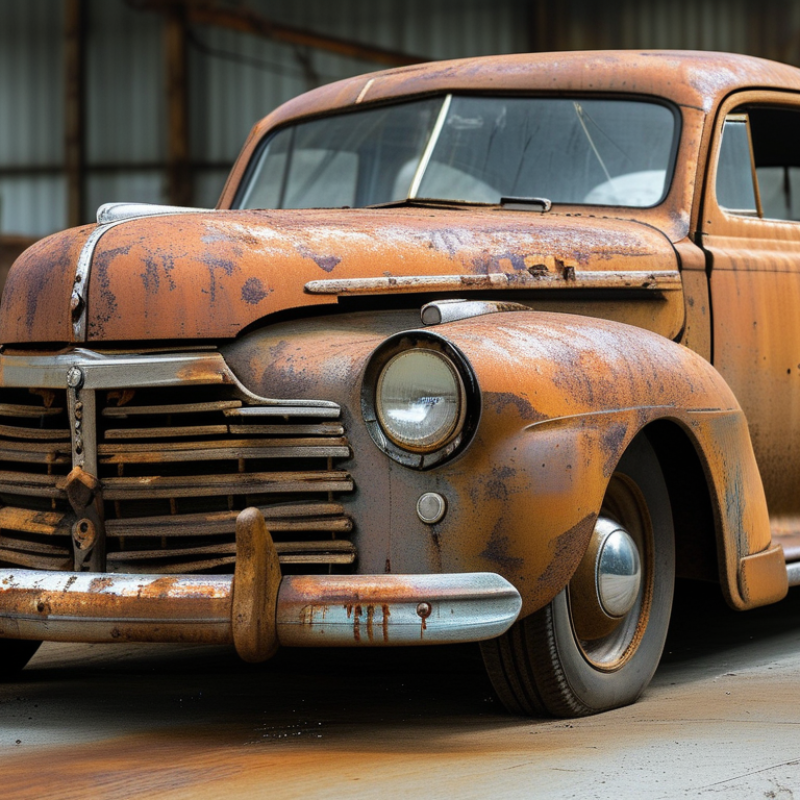
Rust can be a significant issue for steel bumper bars. Understanding the causes is essential for prevention. Moisture is a primary factor. Humidity can settle on surfaces, leading to corrosion. Water accumulation creates an environment for rust to thrive. Metal exposed to air and water reacts, leading to oxidation.
Salt and chemicals can accelerate rusting. Road salts used in winter, for instance, are particularly harmful. They attract moisture and can speed up the rust formation process. Even everyday cleaning products, if not rinsed off properly, can leave residues that contribute to corrosion. Vehicle owners often overlook these details, leading to rust issues.
Protecting steel bumper bars requires regular maintenance. Regular inspections help identify early signs of rust. Addressing small spots immediately can prevent larger problems. Applying a protective coating can also create a barrier against moisture and chemicals. However, many people may skip this step, assuming it is unnecessary. Ignoring these preventive measures can lead to costly repairs later.
When it comes to protecting steel bumper bars from rust, choosing the right coatings is essential. Steel is prone to corrosion due to moisture, salt, and other environmental factors. Protective coatings create a barrier between the steel and the elements. Various options are available in the market.
One effective choice is epoxy coatings. They offer strong adhesion and excellent resistance to moisture. Moreover, they can withstand temperature fluctuations. Another option is polyurethane coatings. These provide a durable finish and excellent UV resistance, which helps maintain their appearance over time. Both coatings require proper surface preparation for the best results.
However, it's important to acknowledge the limitations of these coatings. They may not last indefinitely, especially in harsh environments. Regular inspections can help identify wear and tear. Reapplication might be necessary sooner than expected. Taking these precautions ensures your steel bumper bars remain in optimal condition.
Regular maintenance is crucial for preventing rust on steel bumper bars. According to industry reports, nearly 30% of all vehicles experience rust-related issues, impacting structural integrity and aesthetics. Performing periodic inspections helps identify potential rust spots early. A simple visual check can catch issues before they escalate. Ensure that hidden areas, such as brackets and joints, are also inspected.
Cleaning the bumper bars after exposure to road salt or moisture is essential. Salt accelerates corrosion, and not addressing it can lead to severe damage. Industry experts recommend washing your vehicle regularly, especially during winter months. Applying a protective coating can further extend the lifespan of your bumper bars. However, people often overlook this step, thinking it is unnecessary.
While these maintenance strategies are effective, humans often struggle with routine tasks. Life can become busy, and maintenance might fall by the wayside. Creating a maintenance schedule can help keep everything on track. However, many forget or ignore the signs of rust early on. Awareness and action are key to protecting steel bumper bars from rust.
Storing vehicles in a controlled environment is crucial for minimizing rust risk. Steel bumper bars are susceptible to rust due to moisture and oxygen exposure. According to a study by the National Association of Corrosion Engineers, nearly 33% of automotive corrosion issues can be attributed to improper storage. Maintaining an appropriate setting can significantly extend the life of these components.
Efficient control of environmental factors is key. Keep vehicles in a garage or shelter that is dry and well-ventilated. Temperature fluctuations can induce condensation, which accelerates rust formation. Ensuring that cars are parked on non-paved surfaces can also prevent ground moisture from rising.
Tips for rust prevention include regularly inspecting the bumper bars for any signs of corrosion. Apply protective coatings suited for outdoor conditions. Keep the surface free of dirt and grime to minimize corrosion risk. Utilize dehumidifiers in the storage area to control humidity levels effectively. Regular maintenance should be a priority to identify any early signs of rust development.
Rust can significantly damage steel bumper bars, leading to costly replacements. To prevent this, utilizing rust inhibitors is vital. These substances create a protective layer on the metal surface. According to a report by the Corrosion Prevention Association, proper application of rust inhibitors can reduce corrosion rates by up to 85%. This statistic highlights the importance of incorporating these products into regular maintenance.
In addition to inhibitors, employing effective rust removal techniques is essential when rust appears. Sanding or grinding the affected areas can eliminate surface rust. After removal, applying a rust converter can stop further corrosion. The American Institute of Steel Technology suggests that if left untreated, even minor rust can escalate rapidly, leading to structural failures.
Regular inspections are crucial yet often neglected. Many vehicle owners fail to check for early signs of rust. Implementing a routine review can catch small issues before they become serious. Addressing rust promptly helps maintain bumper integrity and safety. While it’s easy to overlook, proactive measures can save both time and money in the long run.
| Technique | Description | Effectiveness | Usage Frequency |
|---|---|---|---|
| Rust Inhibitors | Chemical substances that slow down the rusting process on metal surfaces. | High | Every 6 months |
| Protective Coatings | Paints or sealants applied to create a barrier against moisture. | Very High | Every 2-3 years |
| Regular Cleaning | Removing dirt and salt that can accelerate rusting. | Moderate | Monthly |
| Rust Removal Techniques | Methods such as sanding, grinding, or chemical rust removers to eliminate existing rust. | High | As needed |
| Environmental Control | Controlling humidity and temperature around storage areas. | Moderate | Continuous |
: Moisture, humidity, and water exposure lead to corrosion.
Salt attracts moisture and accelerates rust formation. Cleaning products can also leave residues that contribute to rust.
Inspections can catch early rust signs. Addressing small spots prevents bigger problems later.
Epoxy and polyurethane coatings are excellent choices. They resist moisture and UV rays.
Coatings do not last forever. Regular inspections may reveal the need for reapplication sooner than expected.
Cleaning removes road salt and moisture. Ignoring this can lead to severe damage over time.
Busy lives often lead to forgotten maintenance tasks. Awareness is crucial to stay proactive.
Check hidden areas, joints, and brackets for signs of rust. Small visual checks can help.
Many skip applying protective coatings, thinking they’re unnecessary. This assumption can lead to costly repairs later.
Set reminders to inspect and clean your bumper bars regularly. Consistency is key to rust prevention.
To effectively understand how to prevent rust on steel bumper bars, it is essential to first recognize the causes of rust formation, such as moisture and exposure to corrosive elements. Choosing the right protective coatings can significantly enhance the durability of bumper bars, while regular maintenance and inspections help identify potential rust issues before they escalate. Additionally, storing vehicles in a controlled environment reduces the risk of rust, as humidity and temperature can play crucial roles in corrosion processes.
Utilizing rust inhibitors can further protect steel bumper bars, and employing rust removal techniques when necessary can restore their integrity. By implementing these strategies consistently, vehicle owners can significantly extend the lifespan of their steel bumper bars and ensure their functionality and appearance remain intact over time.
