Macajor Auto
When considering how to choose the right body kit for your car, the decision can be overwhelming. Experts like James Carter, an automotive customization specialist, emphasize, "A body kit should reflect your personal style while enhancing performance." This insight highlights the importance of personal preference alongside functional benefits.
Selecting the ideal body kit involves various factors. You must assess your car’s make and model. Compatibility is key. Consider materials used in the body kit. Options range from fiberglass to polyurethane. Each has its advantages and drawbacks.
Price also plays a significant role. The most expensive kits aren’t always the best fit. Cheap kits may lead to poor performance or aesthetic issues. Balance your budget with quality to avoid future regrets. Ultimately, how to choose the right body kit for your car is about marrying passion with practicality. Aim for a kit that brings visual appeal without compromising authenticity or performance.
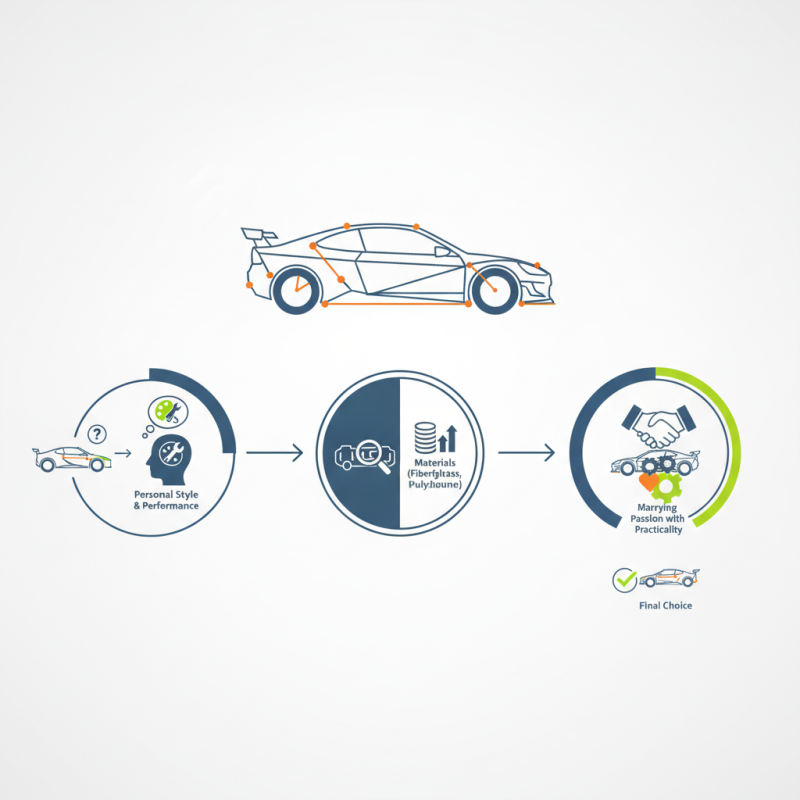
When diving into the world of body kits, it's crucial to understand the types and designs available. Body kits enhance both aesthetics and aerodynamics. They come in various materials like fiberglass and polyurethane. Each material has its pros and cons. For instance, fiberglass can be brittle but allows for detailed designs. Polyurethane is flexible and durable, yet can be heavier.
Considering your car's style is essential. A body kit should complement its natural lines. It's easy to get carried away with flashy designs. However, functionality should remain a core focus. An overly aggressive look can detract from your vehicle's true identity. Reflect on your car's purpose. Is it daily use or weekend racing? This will guide your choices.
Tips: Research the installation process. Some kits require professional help, while others are DIY-friendly. Check community forums for real-life experiences. This can provide insights into potential challenges. Always consider your budget too. Quality body kits can be an investment. Spending more might mean better fitment and longevity. Think before you leap into your decision-making process.
When selecting a body kit for your car, compatibility is vital. Each car model has unique specifications. A body kit that fits one model may not fit another. This misalignment can lead to costly adjustments and frustrations. Understanding your vehicle's dimensions and design is crucial before making a purchase.
Take time to compare the body kit's measurements with your car's. Look for information on installation difficulties that others encountered. User experiences can reveal hidden challenges. Consider consulting forums or communities for insights on specific kits. It's also important to note that some kits may look appealing but fail in real-world performance.
You might fall in love with a design that just doesn't work. This can lead to wasted money and effort. Therefore, evaluate various options against your needs. Seek guidance from knowledgeable sources to minimize risks. This process can feel overwhelming but ensures a better fit, enhancing both the appearance and functionality of your vehicle.
| Car Model | Body Kit Type | Material | Weight (lbs) | Price ($) |
|---|---|---|---|---|
| Honda Civic 2020 | Sported Body Kit | Fiberglass | 40 | 650 |
| Ford Mustang 2019 | Aggressive Body Kit | Polyurethane | 50 | 1200 |
| Toyota Corolla 2021 | Sporty Body Kit | ABS Plastic | 35 | 500 |
| Chevrolet Camaro 2022 | Custom Aero Kit | Carbon Fiber | 60 | 1800 |
When selecting a body kit for your car, material considerations are crucial. The weight of the kit affects your vehicle's performance.
Lighter materials can improve speed and fuel efficiency. However, lighter options may compromise durability.
It's essential to find a balance between weight and strength. Heavier materials, such as
fiberglass, often provide better protection but can be cumbersome.
Durability is another key factor. Look for materials that can withstand daily wear and tear.
Polyurethane is flexible and resistant to impacts but may not offer the same aesthetic appeal as other options.
Each material has its advantages and drawbacks. Evaluating your driving style and environment can guide your choice.
Consider how often you’ll face rough roads or inclement weather.
Aesthetics should not be overlooked. A car’s appearance is a big part of its identity. Different materials have distinct finishes and textures.
While some offer a sleek, polished look, others might appear more rugged. It's vital to choose a kit that resonates with your vision for the vehicle.
Reflect on your priorities. Balancing weight, durability, and aesthetics can be challenging but is essential for achieving the perfect body kit.
Investing in a body kit can enhance your vehicle's aesthetics and performance. However, budgeting is crucial. The cost of a body kit varies widely, often ranging from $500 to over $5,000. The material, design complexity, and brand influence the price. For example, fiberglass kits tend to be less expensive but less durable than carbon fiber options.
In addition to the initial purchase, consider installation costs. Professional installation might add another $200 to $1,000, depending on the kit's intricacy. Some DIY enthusiasts may attempt installation, potentially saving money, but this can lead to mistakes. A poorly fitted body kit can diminish your car’s value. Additionally, factor in paint and finishing costs, which can vary based on color and quality.
Don't forget about potential maintenance expenses. Body kits can affect the vehicle's aerodynamics and handling, leading to wear on suspension components. This could amount to increased repair bills down the line. Researching and planning your budget thoroughly is essential. Delve into customer reviews and seek experiences from fellow enthusiasts to gather insights on hidden costs. Knowledge is invaluable when budgeting for your dream body kit.
Choosing the right installation option for your body kit is crucial. DIY installation can be enticing. It saves money. Many enthusiasts enjoy modifying their cars. However, it requires time and a decent skill level. Some kits may not come with clear instructions. This can lead to mistakes, causing added expenses.
Professional installation is another route. Experts have the experience needed for a flawless fit. They can spot potential issues early. The downside? This option typically costs more. If you’re on a tight budget, this might be a concern. Verify the shop’s reputation before committing. Reviews can help guide your choice.
Consider your comfort level with tools and car maintenance. If you feel confident, DIY might be rewarding. Just ensure you have the right tools. Rushing can lead to errors. If in doubt, hiring a professional is wise. Getting it done right the first time can save hassle later. Balancing cost and quality will lead to the best outcome.
: Each car model has unique specifications. A mismatched kit can lead to costly adjustments.
Compare the body kit's measurements with your vehicle's dimensions. This helps ensure a proper fit.
Think about your skill level. DIY can save money, but may lead to mistakes if instructions are unclear.
DIY saves money and is rewarding but requires time and skill. Poor execution can lead to errors and costs.
It ensures a flawless fit and expert troubleshooting. However, it can be more expensive, which may not suit every budget.
Join forums and communities. User experiences can highlight hidden challenges or advantages.
Emotional decisions can lead to wasted money. Always evaluate aesthetics against practicality.
Assess your comfort with tools. DIY might be appealing, but professional help can save hassle.
Check the shop's reputation and read reviews. Prioritize quality to avoid future issues.
Ensure you have the right tools and enough time. Rushing can lead to mistakes, affecting the result.
Choosing the right body kit for your car involves several key considerations. First, it's essential to understand the different types and designs of body kits available, as they can significantly influence your vehicle's aesthetics and performance. Assessing compatibility is crucial; ensuring that the body kit fits your specific car model will prevent issues during installation and enhance your vehicle's overall look.
Material considerations also play a significant role in your choice, affecting factors like weight, durability, and aesthetics. As you budget for a body kit, it's important to account for not only the initial costs but also potential additional expenses, such as installation. You can either opt for a DIY approach or hire a professional, each with its pros and cons. By carefully evaluating these elements, you will be well-equipped to determine how to choose the right body kit for your car.
