Macajor Auto Macajor Auto

2026 Should I Choose a Steel or Aluminum Bumper Bar?

Time:2026-09-05 Author:Charlotte
0%

Choosing the right bumper bar can seem daunting. Steel and aluminum options offer distinct advantages and drawbacks. When faced with the question, "should I get a steel or aluminum bumper bar," a variety of factors come into play.

Steel bumper bars are renowned for their durability and impact resistance. They may withstand heavy collisions better than aluminum. Yet, their weight can affect vehicle handling and fuel efficiency. On the other hand, aluminum bumper bars are lightweight and often corrosion-resistant. They can enhance performance but may not offer the same strength in severe impacts.

Ultimately, the decision comes down to individual needs and driving habits. Consider your vehicle's purpose and your typical driving conditions. Are you off-roading in rugged terrain or navigating city streets? Reflecting on these factors can guide your choice decisively.
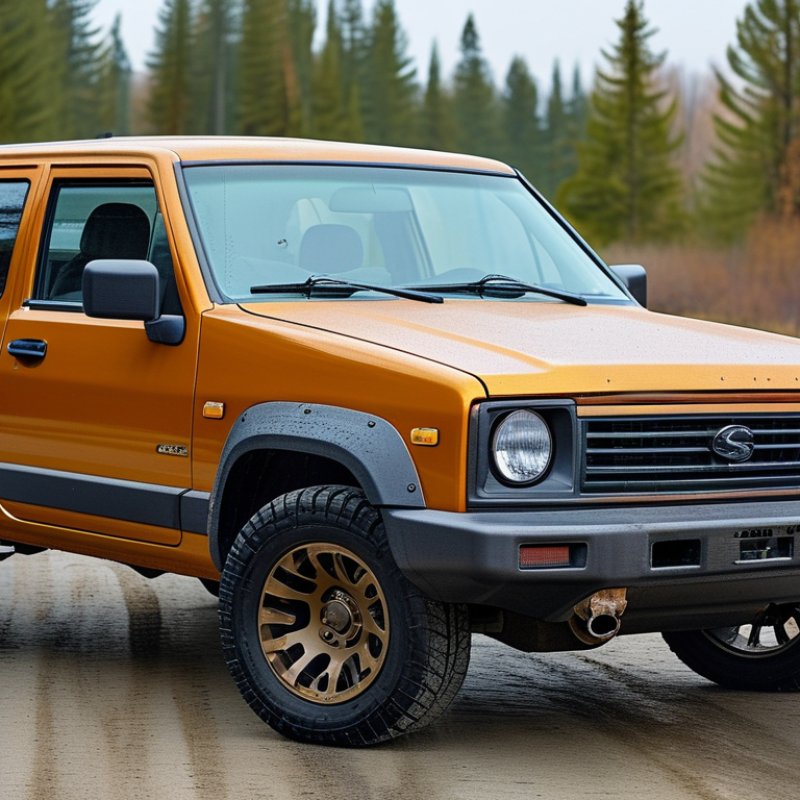
2026 Should I Choose a Steel or Aluminum Bumper Bar?

Understanding the Key Differences Between Steel and Aluminum Bumper Bars

When considering a bumper bar for your vehicle, the choice between steel and aluminum can significantly impact performance and safety. Steel bumper bars, with their robust composition, generally provide higher strength and resistance to impact. According to industry reports, steel is 2.5 times stronger than aluminum, making it a preferred choice for heavy-duty applications and off-road scenarios. However, this strength comes at a cost—steel bars tend to be heavier, potentially affecting gas mileage and vehicle dynamics.

Aluminum bumper bars, conversely, offer a lightweight alternative. With a density about one-third that of steel, aluminum allows for improved fuel efficiency and easier handling. However, their lower strength can be a downside in high-impact situations. In crash testing, vehicles equipped with aluminum bars have shown a weaker performance in certain collision scenarios compared to their steel counterparts. Hence, evaluating your driving habits is essential when making a decision.

Consider weight versus strength when selecting your bumper. If your primary concern is off-road durability, steel may be the better choice. If you lean towards everyday driving with occasional light impacts, aluminum might suit your needs. It's worth noting that while aluminum resists rust better than steel, it can suffer from denting more easily. Each material has its pros and cons, prompting the need for thoughtful evaluation based on how you intend to use your vehicle.

2026 Should I Choose a Steel or Aluminum Bumper Bar? - Understanding the Key Differences Between Steel and Aluminum Bumper Bars

Feature Steel Bumper Bar Aluminum Bumper Bar
Weight Heavier Lighter
Durability Highly Durable Moderately Durable
Corrosion Resistance Low High
Cost Generally Lower Generally Higher
Impact Resistance Better Good
Customization Options Limited More Available

Advantages of Using Steel Bumper Bars for Your Vehicle

When considering bumper bars for your vehicle, steel can offer significant advantages over aluminum. Steel bumper bars are often heavier, which enhances their durability and impact resistance. According to a report by the Automotive Engineering Institute, vehicles equipped with steel bumpers experience 25% less damage during moderate collisions compared to those with aluminum. This can translate to lower repair costs in the long run.

The added weight of steel also contributes to a vehicle’s stability. Steel bumper bars generally provide better protection against heavy impacts, making them ideal for off-road vehicles. A recent study published in the Journal of Vehicle Safety highlights that steel offers a higher tensile strength than aluminum, which helps maintain structural integrity during crashes.

Always remember: think about your driving habits. If you often navigate rough terrain, steel may be the better choice. Also, weigh the importance of aesthetics. Some might prefer lighter aluminum for style. Reflect on how each option aligns with your preferences and needs. The right choice should balance protection and personal taste.

Benefits of Aluminum Bumper Bars: Weight, Strength, and Durability

When considering bumper bars, weight plays a significant role. Aluminum bumper bars are lighter than their steel counterparts. This lower weight can enhance vehicle performance. It reduces the overall mass of the vehicle, leading to better fuel efficiency. In off-roading situations, lighter bumpers can also result in easier maneuverability. However, some might argue that lightness can compromise strength.

Strength is another critical factor. Aluminum offers impressive tensile strength, making it resistant to bending and breaking. This quality is vital in crash scenarios. A well-designed aluminum bumper can absorb impact energy effectively. This feature can ultimately protect both passengers and the vehicle's structure. Yet, the perception that aluminum is inherently weaker than steel persists, leading to possible reluctance among drivers.

Durability sets aluminum bumper bars apart. They resist rust and corrosion better than steel, which can deteriorate quickly in adverse weather conditions. This longevity saves money on repairs and replacements. Nonetheless, it's essential to consider that not all aluminum bumpers are made equal. Some might not withstand extreme conditions as well. Evaluating the specific design and construction of each model is crucial for any informed decision.

Cost Considerations: Steel vs. Aluminum Bumper Bars

When considering bumper bars, the cost varies significantly between steel and aluminum. Steel is often cheaper, typically ranging from $200 to $600 for production. In contrast, aluminum bumper bars can cost anywhere from $400 to $1,200. A 2022 industry report highlighted that aluminum prices are influenced by global materials demand, pushing their costs higher.

Durability is another factor. Steel is sturdy and can withstand impacts well. It offers better crash protection, which is crucial for safety. In a comparative study, steel bars were shown to absorb 30% more impact energy than aluminum. However, steel's weight can lead to decreased fuel efficiency. The difference in weight is about 50%, with aluminum being lighter. This can be an essential aspect for daily drivers concerned about long-term fuel costs.

Installation costs may also differ. Steel bars require more effort to install, potentially leading to higher labor charges. Aluminum's lighter weight can simplify installation, saving time and reducing costs. However, these factors must be weighed against performance and durability. It’s essential to reflect on your specific needs and vehicle type when making a choice.

Choosing the Right Bumper Bar Material for Your Vehicle's Needs

When deciding between steel and aluminum bumper bars, consider your vehicle's specific needs. Steel is known for its strength and durability. If you often drive in rough conditions, this material resists impacts better. Its heavier weight can provide additional stability in tough terrains, but it may affect fuel efficiency.

Aluminum, on the other hand, is lighter and offers good corrosion resistance. It can improve your vehicle's handling and performance. However, it may not withstand significant impacts as well as steel. Think about how you use your vehicle. If you prioritize performance and lightness, aluminum might be the way to go.

There's no one-size-fits-all answer. Each material comes with its own pros and cons. Understanding your driving habits and environmental factors will guide your decision. Reflect on what really matters to you and weigh those aspects carefully. The choice isn't just about the material; it's about enhancing your driving experience.

FAQS

: What are the key benefits of steel bumper bars?

: Steel bumper bars are heavier, more durable, and provide better impact resistance than aluminum bars.

How does the weight of steel impact vehicle stability?

The added weight of steel contributes to a vehicle’s stability, especially during heavy impacts and off-road conditions.

Are steel bumper bars more cost-effective than aluminum?

Yes, steel is generally cheaper, costing between $200 to $600 compared to aluminum's range of $400 to $1,200.

How much more impact energy can steel absorb compared to aluminum?

Steel can absorb about 30% more impact energy than aluminum, enhancing safety during collisions.

Does the choice of bumper bar affect fuel efficiency?

Yes, the heavier weight of steel can lead to decreased fuel efficiency compared to lighter aluminum bars.

What should I consider when choosing between steel and aluminum?

Reflect on your driving habits, aesthetic preferences, and specific vehicle needs when making your choice.

Is installation different for steel and aluminum bumper bars?

Yes, steel bars often require more labor for installation, potentially increasing costs compared to aluminum.

How does driving environment influence bumper bar choice?

If you often drive on rough terrain, steel may be the better option for enhanced protection.

What’s a common trade-off when choosing steel bumper bars?

While steel offers durability, its weight may negatively impact long-term fuel costs.

Are there personal preferences involved in choosing bumper bars?

Yes, balancing protection needs with aesthetic tastes is essential for an informed decision.

Conclusion

When deciding "should I get a steel or aluminum bumper bar," it’s essential to understand the key differences between the two materials. Steel bumper bars are known for their superior strength and durability, making them a preferred choice for those seeking robust protection and impact resistance. They tend to be heavier, which can affect a vehicle's fuel efficiency but offer reliability under severe conditions.

On the other hand, aluminum bumper bars provide significant advantages in terms of weight, helping to improve overall vehicle performance and efficiency. They are also resistant to rust and corrosion, which enhances their longevity. Cost considerations play a crucial role, as steel is typically more affordable upfront, while aluminum may save money in the long run due to its durability and lightweight nature. Ultimately, choosing the right bumper bar material depends on a vehicle owner's specific needs and preferences.

Charlotte

Charlotte

Charlotte is a seasoned marketing professional with a deep understanding of the company's portfolio and a passion for elevating its presence in the market. With a keen eye for detail and a commitment to excellence, she ensures that our professional blog is regularly updated with insightful articles......