Macajor Auto
Before loading a roof box, bicycle, kayak, or luggage carrier, check your vehicle’s owner’s manual. Many drivers ask, “how much weight can a car roof rack hold?” The answer depends on the car, rack system, mounting points, and driving conditions. A compact hatchback may allow less weight than a large SUV. However, a stronger-looking rack does not automatically increase the vehicle’s approved limit. The roof itself may be the weakest component.
Weight calculations must include the rack, crossbars, attachments, and every item inside the carrier. If your vehicle allows 165 pounds, a 35-pound cargo box leaves only 130 pounds for luggage. That detail is easy to miss. Very easy. The manufacturer’s limit usually refers to dynamic weight, meaning the load carried while driving. Some vehicles also publish a higher static limit for parked loads, such as a rooftop tent. These figures are not interchangeable.
A reliable setup starts with compatible equipment and careful installation. Distribute heavy items low and evenly, then secure them so nothing shifts during braking. Check the clamps, bolts, and clearance before leaving. Wind noise, increased fuel use, and a higher center of gravity are normal concerns, not minor details. Real-world conditions can make a legal-looking load unsafe. Sudden crosswinds, rough roads, and emergency maneuvers all increase stress. Even experienced owners can misread a specification or forget the rack’s own weight. That is why this guide compares manufacturer limits, practical loading habits, and common mistakes, while acknowledging one uncomfortable truth: published numbers cannot replace a careful inspection before every trip.
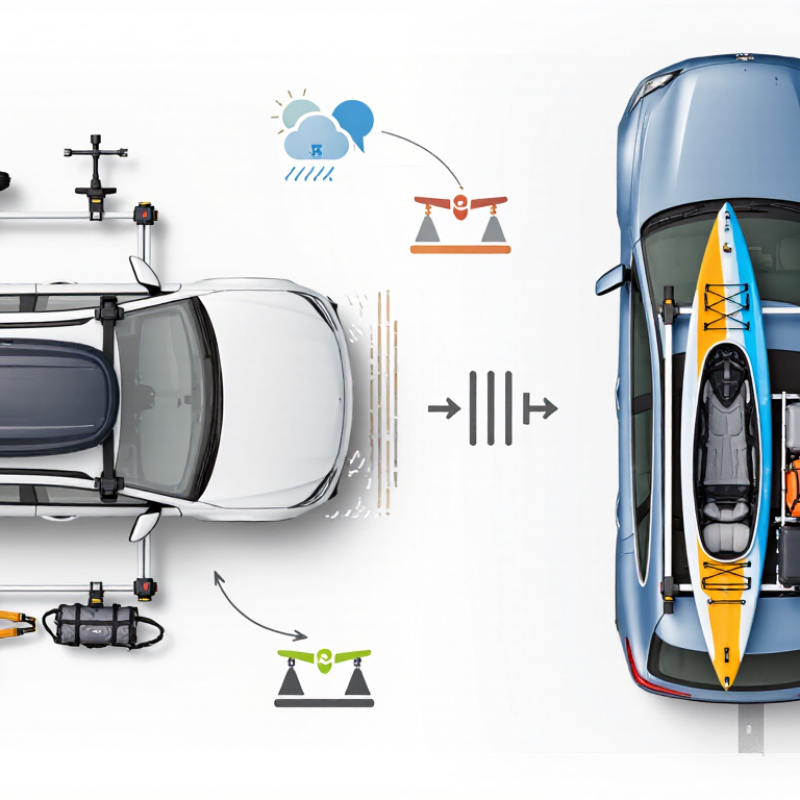
A car roof rack’s weight rating is not a single universal number. Your vehicle roof, rack system, crossbars, and mounting points may have different limits. Always follow the lowest rating.
The vehicle owner’s manual usually lists the permitted dynamic roof load, meaning the weight allowed while driving. This figure includes the rack, attachments, and cargo. A 165-pound limit does not mean you can load 165 pounds of equipment.
Static capacity can be higher when the vehicle is parked, but it should never replace the driving limit. Braking, cornering, wind, and uneven roads increase stress on the rack. Keep heavy items low and centered between the bars. Use straps designed for cargo, then check them after a short drive.
I once focused too much on the rack’s advertised capacity and nearly ignored the vehicle’s lower roof rating. That was a useful mistake.
Weigh every item before loading.
Include boxes, bags, mounts, and protective pads.
Check the rack after installation for movement or loose hardware.
Leave space around the load, and avoid blocking doors or emergency access.
If the instructions seem unclear, contact a qualified installer or the vehicle manufacturer.
Ratings can differ by model year, roof type, and mounting method.
When uncertain, carry less.
Top Car Roof Rack Weight Limits: How Much Can They Hold?
Before fitting a roof rack, identify your vehicle’s roof load limit. Check the owner’s manual, door-frame label, or official vehicle specifications. The limit usually includes the rack, bars, accessories, and cargo together. A rack rated for 75 kilograms does not increase a roof rated for 60 kilograms. The lower figure controls. For example, a 12-kilogram rack leaves only 48 kilograms for equipment and luggage. Always use the limit for your exact model, body style, and production year.
Tips: Measure every item before loading. Keep heavier gear low and centered between the bars. Spread weight evenly, and tighten each fastening point carefully. Recheck the load after driving a short distance. Wind can shift loose equipment, even when it looked secure at home. Never guess from appearance.
Dynamic and stationary limits may differ. The dynamic limit applies while driving; the stationary limit may apply when parked. Some vehicles also reduce roof capacity with panoramic panels, soft surfaces, or unusual mounting points. If the manual seems unclear, ask a qualified technician or contact the vehicle manufacturer with your identification details. I have found that people often count only the cargo, which is an easy mistake. I have made that assumption too. Rechecking the total weight feels slow, but it prevents costly damage and unstable handling.
Typical dynamic roof-load limits are shown as reference ranges. The exact limit depends on the vehicle, roof system, and driving conditions. Always use the lowest rating listed in the vehicle owner’s manual, roof-rack instructions, or roof-box instructions.
Dynamic roof load includes the rack or crossbars, roof box, and all cargo. For example, with a 75 kg vehicle roof limit, a 15 kg rack and a 20 kg roof box leave only 40 kg for luggage. Never exceed the vehicle’s specified limit, even when the rack system has a higher capacity.
A roof rack’s capacity has two different meanings: dynamic and static. Dynamic capacity describes the moving vehicle, including braking, cornering, and road vibration. Static capacity applies when the vehicle is parked, such as when supporting a rooftop tent. Industry fitment data commonly lists dynamic limits between 50 and 100 kilograms, but these figures vary by vehicle and rack design. ISO 11154:2024 provides testing requirements for roof-carrying systems, yet it does not create one universal weight limit. The vehicle owner’s manual remains the controlling source.
Static capacity may be two or three times the dynamic rating, but that extra margin is not automatic. For example, a 75-kilogram dynamic limit might support 150 kilograms while stationary, only when the vehicle structure and rack instructions allow it. Add the rack, box, tent, and every item inside. I once considered the cargo alone and ignored the rack’s own weight. That calculation was wrong. Wind also changes the load, especially with long boards or bulky containers. A lower, evenly distributed load usually feels safer because it reduces body roll.
Tips: Weigh everything with a luggage scale. Check each foot and clamp after a short drive. Keep heavy items low and centered. Reduce speed on rough roads. Recheck after rain or strong crosswinds. If the manual gives no static rating, do not invent one. Industry safety guidance, including NHTSA cargo-securement recommendations, consistently emphasizes restraint, balance, and regular inspection.
A roof rack’s capacity is not the same as its advertised cargo rating. Calculate every kilogram above the roof. Include crossbars, feet, baskets, boxes, locks, straps, and luggage. The safe working limit is the lowest rating among the vehicle roof, rack system, and accessories. ISO 11154:2023 requires roof carriers to undergo load and durability testing, but it does not replace the vehicle handbook. That detail matters.
For example, a vehicle allows 75 kg on its roof. The rack weighs 18 kg, and the cargo box weighs 12 kg. The remaining cargo allowance is 45 kg. A 50 kg load exceeds the limit, even if the rack itself appears stronger. Keep heavy items low and near the roof’s centerline. Uneven loading can increase movement during braking, cornering, and crosswinds. The European New Car Assessment Programme’s 2023 safety guidance also stresses secure cargo placement because loose objects can create serious passenger risks. My practical mistake was counting luggage only. The rack hardware quietly used much of the allowance.
Tips: Weigh the complete setup before driving. Check the handbook, not memory. Use a luggage scale when possible. Recheck straps after a short distance. Leave a margin of at least 10 percent, because real packing rarely matches the estimate. A wet tent or muddy equipment can weigh more than expected. Fast driving also adds aerodynamic force, so a legal load is not automatically a stable load.
A roof rack’s advertised capacity is only one part of the safety picture. The vehicle roof, mounting points, and rack system must all support the load together. Always check the vehicle handbook before loading anything. Its limit may be lower than the rack’s stated capacity. Dynamic capacity applies while driving. Static capacity applies when the vehicle is parked, if the manufacturer provides it.
Weight placement changes performance quickly. Keep heavier items low and near the center of the roof. Uneven loading can make the vehicle lean during cornering. Long cargo also catches crosswinds and increases aerodynamic lift. At highway speeds, a light object may behave like a much heavier one. Secure every item with suitable straps, not improvised cord. Nothing should slide when you push it firmly.
Small details matter.
Inspect clamps, bolts, pads, and contact surfaces before each trip. Look for cracks, movement, worn rubber, or loose fasteners. Recheck the load after a short drive, because vibration can reduce tension. Wet gear may become heavier than expected, especially fabric equipment holding water. I have seen careful loading plans fail because the final weight ignored bags, straps, and protective covers. That mistake is easy to repeat. Leave extra capacity for changing conditions, sudden braking, and strong wind. Reduce speed when the vehicle feels taller, noisier, or less stable than usual.
It includes the rack, crossbars, mounts, straps, pads, boxes, bags, and cargo. Count everything.
Follow the lowest limit among the vehicle roof, rack, crossbars, and mounting points. When uncertain, carry less.
Dynamic load is the maximum weight allowed while driving. Braking, cornering, wind, and uneven roads increase stress.
No. Static capacity applies when parked, if the manufacturer provides it. It does not replace the driving limit.
Keep heavy items low and centered between the bars. Uneven weight can make the vehicle lean during turns.
Long cargo catches crosswinds and increases lift. Reduce speed if the vehicle feels taller, louder, or less stable.
Push the cargo firmly. It should not slide. Recheck straps after a short drive because vibration can loosen them.
Check clamps, bolts, pads, and contact surfaces. Look for cracks, movement, worn rubber, and loose fasteners.
Do not ignore small items. Wet bags, protective covers, and straps can add surprising weight. I once missed those details.
Check the vehicle handbook or ask a qualified installer. Model year, roof type, and mounting method can change the rating.
Understanding a car roof rack’s weight limit is essential for safe and reliable transportation. If you are wondering “how much weight can a car roof rack hold,” the answer depends on both the vehicle’s roof load limit and the rack’s own capacity. The lower rating always determines the maximum allowable load. To find your vehicle’s limit, check the owner’s manual or the information provided with the vehicle, then compare it with the rack’s specifications.
It is also important to distinguish between dynamic and static capacity. Dynamic capacity refers to weight while the vehicle is moving, while static capacity may be higher when the car is parked. Calculate the total load by adding the rack, mounting equipment, cargo box, and all stored items. Uneven weight distribution, high speeds, strong wind, sudden braking, and loose attachments can reduce performance. Staying below the stated limit, distributing weight evenly, and checking all connections regularly can help ensure safer and more stable use.
