Macajor Auto
In 2026, choosing a body-kit material is about more than appearance. It affects fitment, weight, repair costs, and long-term durability. The question sounds simple: what is the best material for car body kits? In practice, the answer depends on the vehicle, climate, driving habits, and installation quality. A show car stored indoors needs different protection from a daily driver facing potholes, rain, and road grit. Even an expensive kit can disappoint when its mounting points are poorly aligned.
From workshop experience, fiberglass remains popular because it is affordable and easy to reshape. However, it can crack after a sharp impact. ABS plastic usually offers better flexibility for daily use, especially around lower bumpers and side skirts. Polyurethane can absorb minor knocks, yet its weight and finishing requirements may concern some owners. Carbon fiber is light and visually striking, but its cost, repair complexity, and impact tolerance deserve careful consideration. Material names alone do not guarantee quality.
This guide compares these options through practical criteria, including panel fit, heat resistance, surface finish, repairability, and total ownership cost. Manufacturer data matters, but real-world installation can reveal weaknesses that brochures often miss. I have also learned that “best” is an imperfect label. A skilled installer may achieve better results with fiberglass than with poorly made carbon fiber. Readers should verify product specifications, warranty terms, and professional advice before ordering. The smartest choice balances ambition with realistic maintenance.
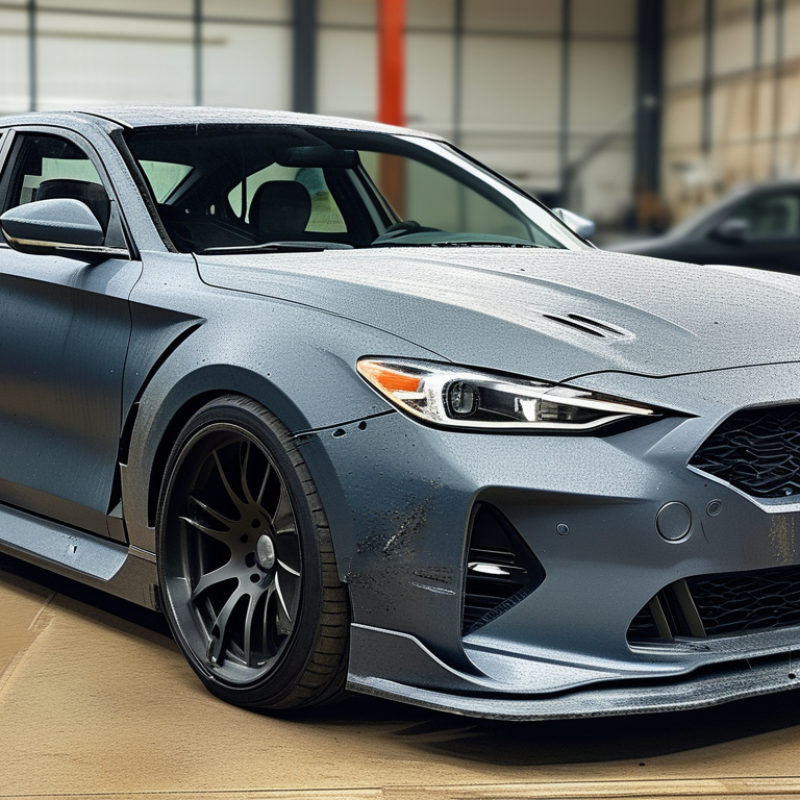
Choosing the best material for car body kits in 2026 requires more than chasing the lowest weight. Fit, impact resistance, heat tolerance, repairability, and total cost matter equally. The U.S. Department of Energy reports that a 10% vehicle weight reduction can improve fuel economy by roughly 6–8%. However, a lighter panel can still disappoint if it cracks around mounting holes or warps in summer heat.
Fiberglass-reinforced plastic remains a practical choice for large spoilers, wide fenders, and replacement bumpers. It offers low tooling costs and relatively simple shaping, but installation often requires careful trimming and surface preparation. ABS plastic provides consistent dimensions and better everyday flexibility. It suits smaller trim pieces, especially where accurate clips and smooth edges are important. Polyurethane handles minor impacts well, although its higher material cost may challenge budget projects. Carbon-fiber composites deliver excellent stiffness and a premium finish. They are not automatically the best option. Their repair process is more demanding, and their environmental cost deserves closer attention.
Weight is not everything. The International Energy Agency’s Global EV Outlook 2025 notes that electric vehicle sales exceeded 17 million in 2024, increasing interest in lightweight exterior components. Yet electric vehicles also need durable parts that protect sensors and withstand frequent urban impacts. In workshop practice, the best kit is often the one that installs cleanly, survives vibration, and can be repaired without replacing an entire panel. This is less glamorous than choosing carbon fiber. It is also more realistic. Material decisions should include fastener quality, recycling options, paint compatibility, and local climate data, because a technically impressive kit may still fail in ordinary use.
What Is the Best Material for Car Body Kits in 2026?
Fiberglass remains a popular choice for affordable body-kit styling. Its glass fibers provide useful stiffness without the cost of advanced composites. ASM Handbook, Volume 21, places cured glass-fiber laminates near 1.5–2.0 g/cm³. Steel is roughly 7.8 g/cm³. That difference sounds dramatic, but a thick laminate, metal brackets, and filler can erase some savings. Lightweight does not always mean light.
The practical weakness appears during fitting and daily driving. Fiberglass can crack around mounting holes when panels flex on uneven roads. A sharp parking impact may create spider-web fractures instead of a simple dent. Repairs require grinding, fresh resin, reinforcement cloth, and careful surface preparation. Moisture can also enter poorly sealed edges. On a workshop floor, an inexpensive panel may demand several extra hours before paint. That calculation is easy to ignore.
The U.S. Department of Energy’s Vehicle Technologies Office reports that a 10% vehicle-weight reduction can improve fuel economy by approximately 6–8%. A body kit rarely delivers that result alone. Some kits add weight through thick construction and heavy supports. Fiberglass also lacks the predictable crash performance of engineered structural materials. It should remain a non-structural exterior component unless tested and validated for that purpose. Fitment is another uncertainty. Even a well-made panel may need trimming, shimming, and repeated alignment checks. It is affordable styling, but not effortless styling.
Carbon fiber remains the premium choice for performance-focused car body kits in 2026. The U.S. Department of Energy reports that carbon-fiber composites can be up to 60% lighter than steel. They can also deliver strong stiffness with thin, sculpted panels. On a track-focused vehicle, that lower mass may sharpen braking, cornering, and steering response. The change feels most noticeable on hoods, roofs, and trunk panels.
The cost is harder to ignore. Carbon fiber requires layered fabric, resin, controlled curing, and careful finishing. A 2024 report from MarketsandMarkets identifies high production cost as a major barrier to wider automotive adoption. A replacement hood can also need reinforced mounting points, alignment work, and protective coating. The material is light. The installation is not always simple.
Fit quality matters more than the glossy weave. Poor molding can create uneven gaps, stress marks, or water entry around fasteners. Repairing impact damage may require specialized inspection instead of ordinary panel work. That detail is easy to overlook. Carbon fiber can reduce weight, but a complete kit may add hardware and reinforcement. The final saving deserves measurement, not assumption. According to DOE lightweight-material guidance, design integration determines whether the material delivers real vehicle efficiency gains.
For daily driving in 2026, polyurethane and ABS plastic remain practical choices for car body kits. Polyurethane bends under moderate impact, making it useful around parking blocks, uneven roads, and cold-weather conditions. It often returns to shape instead of cracking. The trade-off is weight. Poorly molded polyurethane can also require extra sanding and adjustment during installation.
ABS plastic is lighter and usually easier to produce with consistent dimensions. Its firm surface supports sharp edges, clean vents, and stable panel gaps. However, ABS can crack after a hard impact, especially when the panel becomes brittle in low temperatures. It also needs careful heat control during fitting. Too much heat can distort the shape.
According to the U.S. Department of Energy, reducing vehicle weight by 10% may improve fuel economy by 6–8%. Every kilogram matters. Grand View Research reported a projected 6.2% compound annual growth rate for the global automotive plastics market from 2024 to 2030. That growth reflects wider use of lightweight polymers, not automatic quality. In hands-on fitting, polyurethane often suits drivers facing daily impacts. ABS may suit careful drivers who value lighter panels and precise styling. A fitting checklist can still miss hidden stress around mounting holes. Test-fit every section before final fastening. Surface preparation remains the weak point in many installations.
What Is the Best Material for Car Body Kits in 2026?
How to Match Body Kit Materials to Your Vehicle and Budget
Choosing a body kit material starts with your vehicle’s use, not online popularity. Fiberglass usually costs less and allows sharp, detailed shapes. However, it can crack after a hard impact or poor installation. ABS plastic offers better flexibility for daily driving and uneven roads. Polyurethane bends well, but it may require more preparation before painting. Carbon fiber remains lightweight and rigid, yet its price can exceed a practical project budget.
Tips: Check the kit’s thickness, mounting points, and repair options before buying. Ask an experienced installer to inspect the vehicle’s panels first. A cheap kit becomes expensive when gaps appear around the headlights, doors, or wheel arches. Measure twice.
Your climate also affects the decision. Frequent heat can expose weak resin or soften poorly finished plastic. Cold weather may make some materials less forgiving during fitting. For a daily vehicle, flexible plastic often provides a calmer ownership experience. For a show-focused build, fiberglass or carbon fiber may suit the visual goal better. Still, appearance can hide problems. I have seen attractive kits with uneven gaps and stressed mounting tabs. That mistake is easy to repeat when buyers focus only on material names. Select a material that matches your roads, repair skills, installer, and total budget. The best choice is not always the lightest one.
How to match body kit materials to your vehicle and budget
Representative density values for common automotive body-kit materials. Lower density generally means a lighter kit, while impact resistance, repairability and installation cost also affect the best choice.
ABS and polypropylene are lightweight, widely available and usually easier to replace or repair.
Polyurethane offers useful flexibility for daily-driven vehicles and uneven roads.
Fiberglass and carbon-fiber composites can provide a rigid, lightweight finish but typically require a higher budget and more careful installation.
Fiberglass offers affordable styling and useful stiffness. It usually costs less than advanced composite materials.
No. Thick laminates, metal brackets, and filler can reduce its weight advantage. Lightweight does not always mean light.
Uneven roads may flex panels around mounting holes. Sharp impacts can create spider-web cracks instead of simple dents.
Repairs may require grinding, fresh resin, reinforcement cloth, and careful surface preparation. Poorly sealed edges can also absorb moisture.
Usually, no. A typical kit rarely reduces enough weight to create a major fuel-economy improvement.
They require layered fabric, resin, controlled curing, and careful finishing. Production and replacement work can become expensive.
Lower mass may improve braking, cornering, and steering response. Effects are more noticeable on hoods, roofs, and trunk panels.
No. Poor molding can cause uneven gaps, stress marks, or water entry around fasteners. Fit quality matters more than a glossy weave.
Check panel thickness, mounting points, gap alignment, hardware, and expected repair costs. Measure final weight instead of trusting assumptions.
They should remain non-structural exterior components unless properly tested and validated. I might underestimate hidden reinforcement weight.
Choosing the right body kit material in 2026 depends on more than appearance. Weight, durability, flexibility, repairability, installation requirements, climate, driving habits, and budget all influence the decision. Fiberglass remains an affordable choice for drivers who want distinctive styling, but it can be more brittle and may require careful preparation and maintenance. Carbon fiber offers excellent strength-to-weight performance and a premium appearance, making it attractive for performance-focused builds, although its high cost may not suit every project.
For everyday driving, polyurethane and ABS plastic provide practical alternatives. Their flexibility helps them handle minor impacts, road debris, and regular use more effectively than rigid materials. When asking “what is the best material for car body kits,” the answer depends on the vehicle and the owner’s priorities. A budget-conscious styling project may benefit from fiberglass, a performance build may justify carbon fiber, while a daily driver often works best with polyurethane or ABS. Matching the material to expected use, installation skill, and long-term maintenance needs will lead to a more satisfying result.
