 Macajor Auto
Macajor Auto
Macajor Auto
When considering enhancements for your vehicle, the question arises: are universal car body kits worth buying? Many car enthusiasts seek to elevate their cars' aesthetics and performance. Universal body kits promise a blend of style and functionality, but do they deliver?
The market offers a wide variety of universal kits. Some are affordable, while others come with a steep price. It’s essential to assess the quality and fitment of these kits. Poorly fitting components can lead to frustration. Inconsistent quality means potential buyers must conduct research. Gathering insights from knowledgeable sources is vital.
While universal car body kits can enhance your vehicle's look, buyers should be cautious. They may not always fit perfectly. This raises concerns about durability and overall performance. As with any investment, weighing pros and cons is crucial. Ultimately, it is about what suits your vehicle and personal taste.
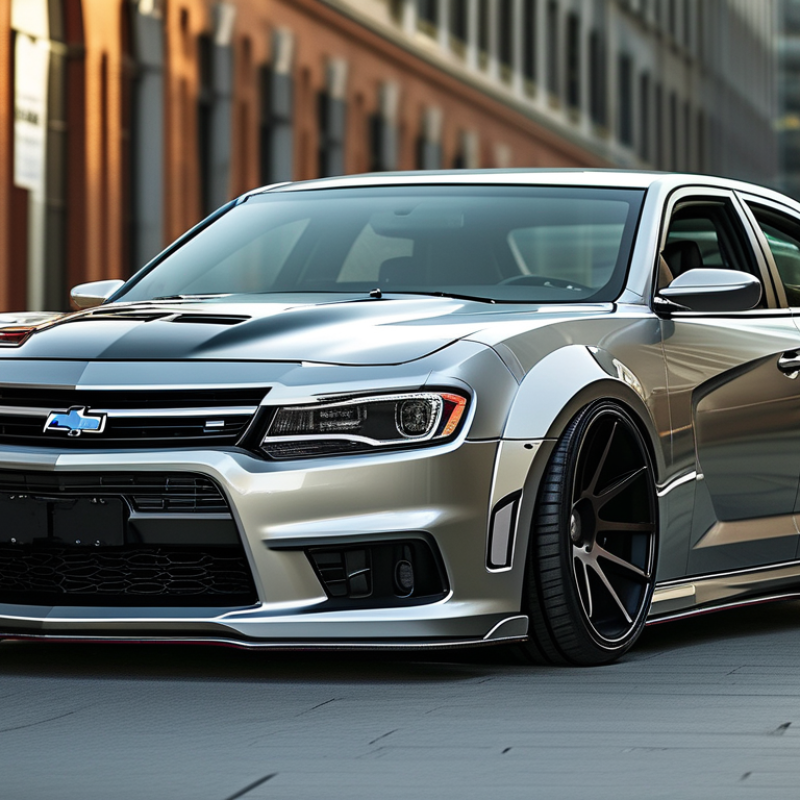
Universal car body kits are designed to enhance the aesthetics and performance of a vehicle. These kits can often fit many makes and models. However, not all kits are created equal. A report by the International Automotive Customization Association noted that about 45% of vehicle owners who customize their cars regret their purchases due to quality issues.
When considering universal car body kits, it's essential to understand the basics. These kits typically include bumpers, spoilers, and side skirts. Installation may vary, requiring specific tools and skills. According to a study from AutoCustomization Research, almost 60% of vehicle owners experienced misalignment problems post-installation. This can lead to additional costs for adjustments or replacements.
The potential for mismatched designs or improper fit raises questions about the value of these kits. While they may offer an appealing look, the effectiveness often relies on proper installation. Observations show that car enthusiasts frequently stress the importance of expert advice before selecting kits. Without expert guidance, buyers may face issues resulting in wasted time and resources.
| Feature | Advantages | Disadvantages | Price Range |
|---|---|---|---|
| Design Variety | Offers a wide range of styles | Some styles may not fit perfectly | $200 - $700 |
| Installation | DIY installation possible | May require professional help | $50 - $150 (for installation) |
| Material Quality | Variety of materials available | Quality varies widely among brands | $100 - $800 (depending on material) |
| Compatibility | Fits many vehicle types | Not guaranteed to fit all models | $150 - $500 |
| Aesthetic Enhancement | Improves the vehicle's look | May not enhance resale value | $250 - $600 |
: Universal car body kits enhance aesthetics and allow for personalization. They can also improve aerodynamics, boosting performance and fuel efficiency.
Installation can be straightforward, but requires careful consideration. Fit and finish vary, impacting the overall look of the vehicle.
Yes, researching and reading reviews is essential. Some kits may not align perfectly with your vehicle's curves, leading to disappointment.
Professional installation costs between $200 and $500. DIY options may save money but can require skill and proper tools for best results.
Kits can be made from various materials, such as plastic or higher-end options. The choice affects both durability and cost.
Not all kits enhance performance. Some may even lead to issues if they do not fit properly, which could damage your vehicle.
Longevity varies by material. Plastic kits may degrade quickly in harsh climates, while higher-end options may last longer but are pricier.
A well-installed kit may increase resale value by 10-20%. However, this is not guaranteed, as performance enhancement is not universal.
Consider your budget, the quality of materials, and how the kit aligns with your vehicle goals. Trade-offs may be necessary.
Improper installation can cause long-term damage. Weighing initial costs against potential repairs is crucial before proceeding.
Universal car body kits have gained popularity among vehicle enthusiasts, primarily for their potential to enhance aesthetics and performance. Understanding the concept of these kits is essential, as they are designed to fit a range of vehicle models, offering customization options without the need for bespoke designs. The benefits include improved aerodynamics, better visual appeal, and sometimes even increased resale value. However, potential drawbacks exist, such as fitting issues and varying quality.
When considering whether universal car body kits are worth buying, it’s important to evaluate factors like compatibility with your vehicle, installation costs, and overall value for the money. A thorough cost analysis can help determine if the investment aligns with your goals for vehicle enhancement. Ultimately, assessing the unique advantages and challenges of universal car body kits will guide you in deciding if they are indeed worth the investment for your vehicle.
