 Macajor Auto
For 2026, buyers are asking a practical question: can auto bumper bars prevent major accident damage? The honest answer depends on speed, impact angle, vehicle structure, and bar design. A steel bar may protect a grille, radiator, or recovery point during a slow trail collision. It cannot make a vehicle crash-proof.
The Insurance Institute for Highway Safety (IIHS) has repeatedly shown that bumper performance varies widely between vehicles. Its low-speed crash evaluations have recorded repair costs ranging from minor cosmetic damage to expensive structural repairs. The Australian New Car Assessment Program also warns that external accessories can alter crumple-zone behavior. That detail matters. A heavy bar can spread force, but it may also transfer impact energy into chassis mounts.
David Zuby, former chief research officer at IIHS, described the basic limitation clearly: “Bumpers are designed to manage low-speed impacts, not prevent serious crash injuries.” That principle should guide every 2026 comparison. Look for tested mounting points, airbag compatibility, recovery ratings, corrosion protection, and documented compatibility with parking sensors. Check the bolts, too.
Small details decide outcomes.
A well-fitted bar may keep a bent grille from becoming a disabled vehicle after a low-speed hit. Yet no accessory replaces controlled speed, seat belts, or advanced driver assistance. I am also cautious about marketing claims promising “maximum protection.” Those claims often lack independent testing. This guide compares current bumper bars through published data, engineering evidence, practical installation experience, and their limits in real-world impacts.
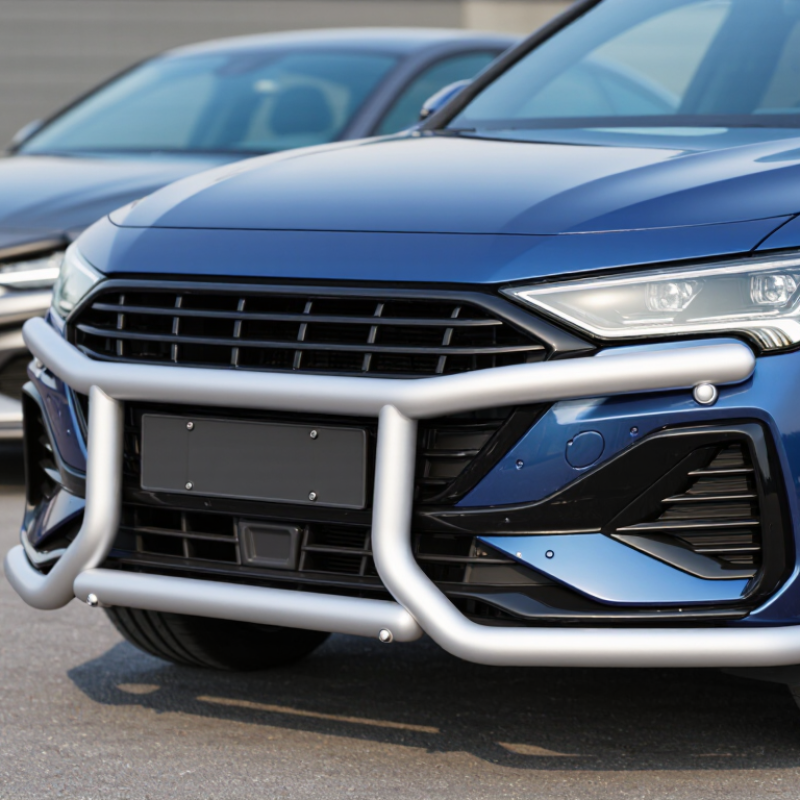
Auto bumper bars are external structures fitted over a vehicle’s original bumper. They commonly use steel or aluminum tubing, mounting brackets, and impact plates. Their purpose is simple: spread force across stronger chassis points during low-speed contact.
A properly fitted bar can protect the grille, headlights, radiator, and bumper cover from minor impacts. It does not make a vehicle crash-proof. That assumption is too simple. In practice, protection depends on material strength, mounting quality, vehicle design, and impact direction. A badly aligned bar may transfer force into the frame or trigger costly sensor repairs.
The Insurance Institute for Highway Safety’s low-speed bumper program examines impacts at 3, 6, and 9 miles per hour. These tests show how small collisions can create expensive damage, even without serious occupant injuries. Auto bumper bars may reduce that repair exposure, but they cannot replace modern crash structures.
They can also change pedestrian and airbag performance. The National Highway Traffic Safety Administration evaluates occupant protection through formal crash standards, not aftermarket bar installation. Buyers should therefore check clearance around radar sensors, parking sensors, tow points, and crumple zones. Real-world fitment is messy.
From workshop experience, the strongest-looking bar is not always the safest choice. Weight, corrosion resistance, bolt quality, and installation torque matter. Professional inspection remains essential, especially after a hard impact.
Full-width steel bars usually provide the strongest protection against low-speed impacts and rough tracks. Their boxed sections spread force across stronger mounting points. Still, steel adds weight. Handling may change.
Yes, aluminum bars offer useful protection with less added weight. They may support better fuel efficiency and more responsive steering. They are not automatically stronger. Vehicle structure matters more.
Modular designs allow damaged sections to be replaced separately. You may avoid replacing the entire bar after a small impact. That can reduce repair waste. It is not always cheaper.
Check chassis compatibility, mounting holes, bolt grades, and weight limits. Confirm clearance for cameras, parking sensors, radar, airbags, and cooling parts. Appearance should come later. Fit matters more.
No bumper bar guarantees protection during a major crash. It mainly adds another layer for low-speed impacts and surface damage. Seat belts, airbags, and tested crash structures remain essential. A bar is not magic.
Poor mounting can transfer impact forces into frame rails, sensors, or the cooling system. Avoid drilling through unknown structural sections. Use even support during fitting. Small movement matters.
Test the parking sensors, cameras, headlights, and steering system after installation. Check warning lights immediately. Use a calibrated torque wrench for fasteners. Recheck bolts after the first few drives.
Steel suits demanding off-road use when added weight is acceptable. Aluminum suits lighter everyday protection. Corrosion-resistant or polymer-coated finishes help in wet climates. Inspect welds around recovery points.
Seek professional inspection when radar calibration or structural drilling is involved. Also ask for help if clearance is uncertain. Measure clearance on a ramp, not only on a flat garage floor. I might underestimate fitting quality.
Auto bumper bars are protective structures mounted to a vehicle’s front or rear to help absorb, spread, or redirect impact forces. In 2026, the most effective options may include reinforced steel bars, lightweight alloy designs, and engineered composite systems, depending on the vehicle and driving conditions. Their main purpose is to reduce damage to body panels, lights, grilles, and mounting areas during low- to moderate-speed collisions. However, can auto bumper bars prevent major accident damage? In most cases, they can only reduce certain types of impact damage rather than eliminate it completely.
Bumper bars cannot fully protect passengers, the engine, suspension, or vehicle safety systems during severe crashes. Their performance depends on design quality, correct fitment, mounting strength, and compatibility with airbags, sensors, and crumple zones. When choosing one, drivers should consider material, weight, clearance, maintenance, and intended use. Professional installation is recommended to ensure secure attachment and proper alignment. A suitable bumper bar can add useful protection, but safe driving and the vehicle’s built-in safety features remain essential.
